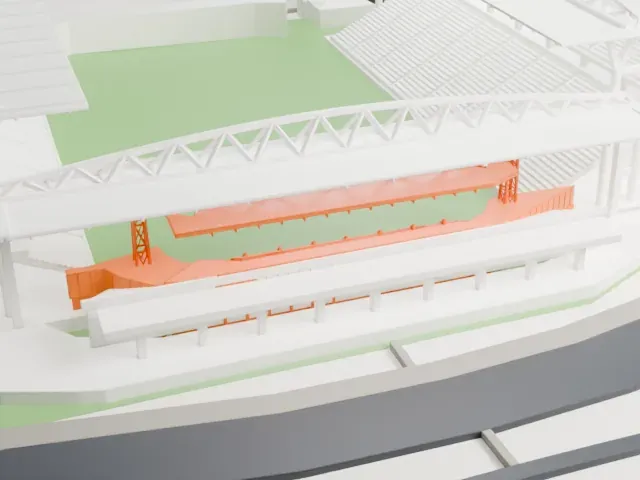
3D print the Gardiner Museum
A free, printable model of the Gardiner Museum and the surrounding streets and buildings in Toronto, generated from real map data in your browser.
-
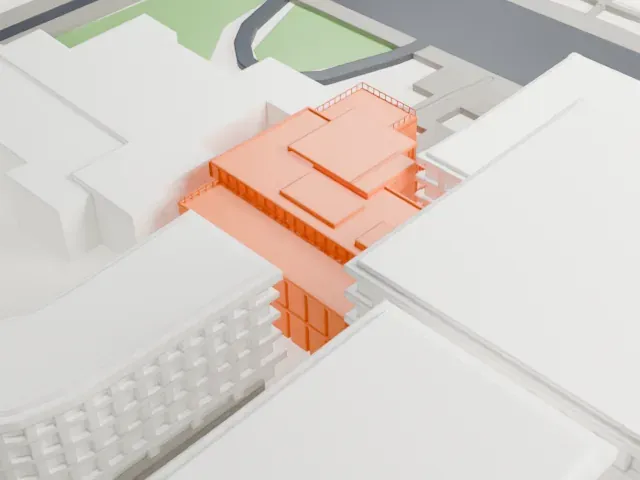 North
-
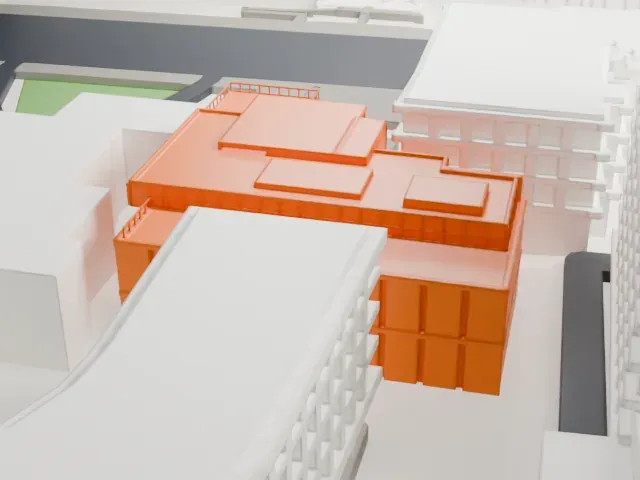 East
-
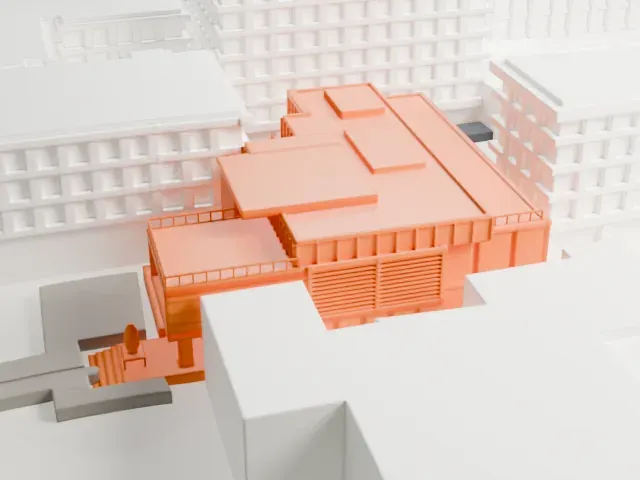 South
-
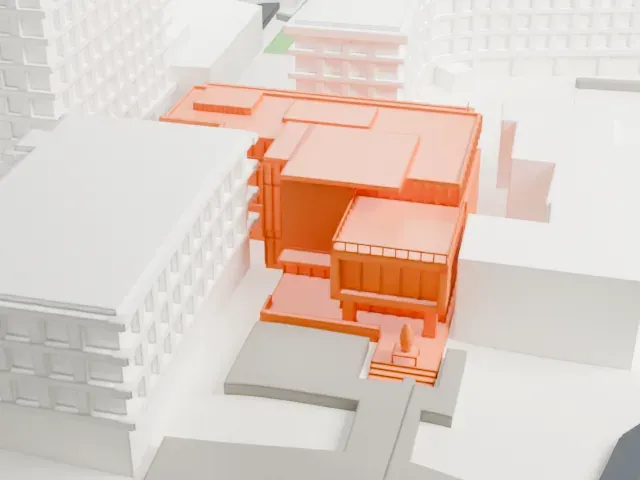 West
The model you print
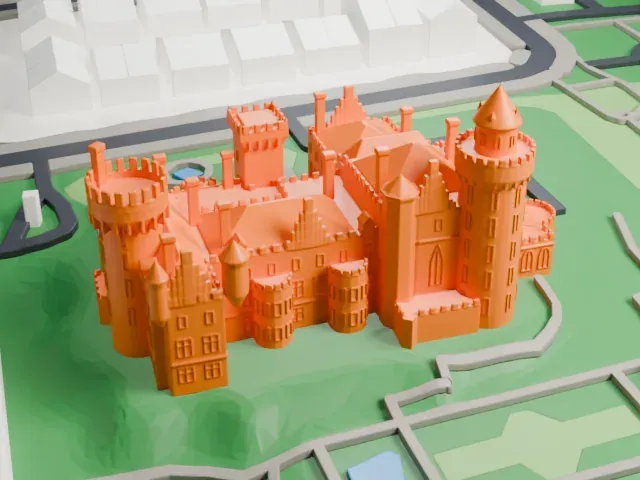
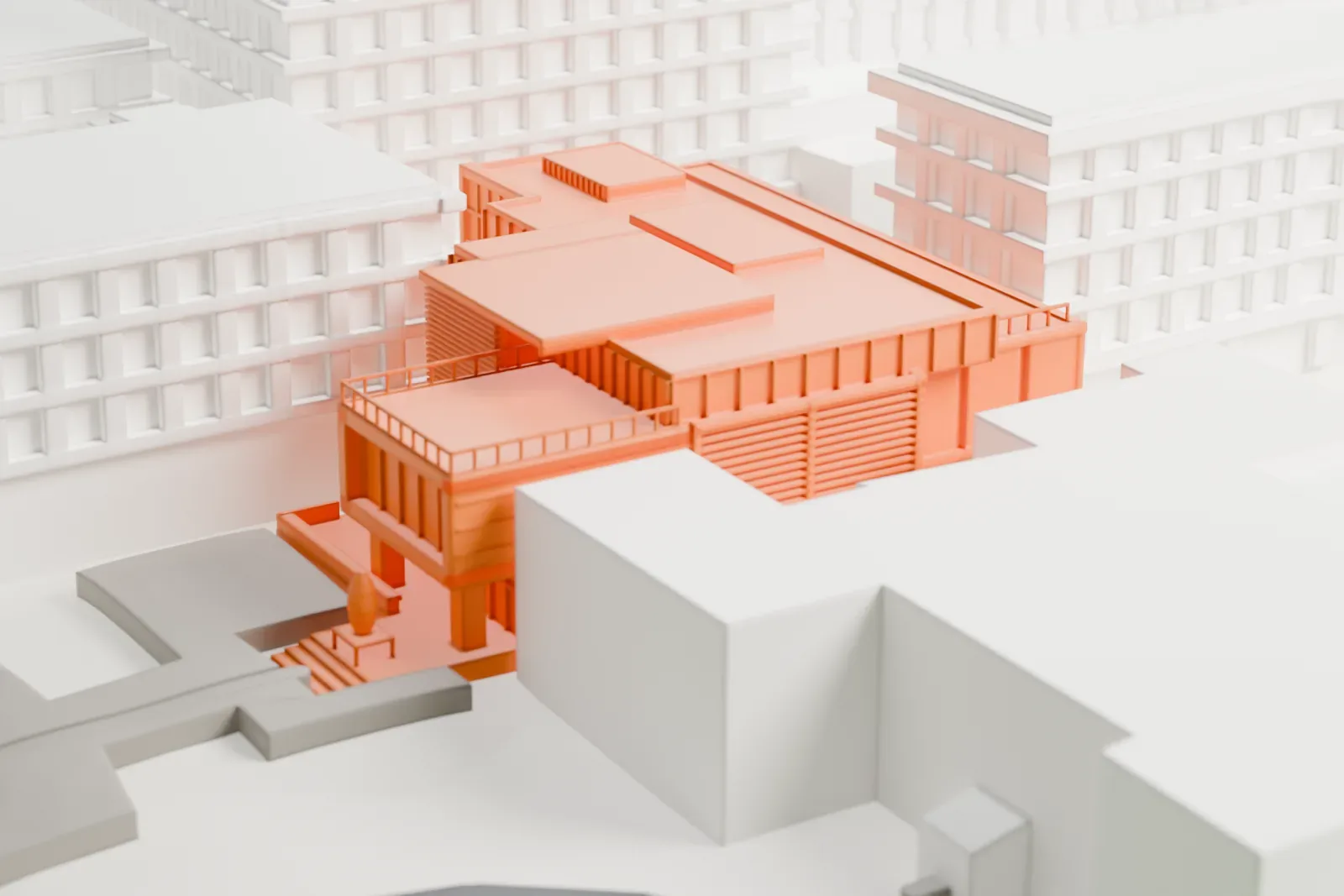
Gardiner Museum in 3D
The landmark on its own, at its size on a 160 mm print. Print friendly thickens thin parts for a 0.4 mm nozzle; Full detail keeps every part.
- On a 160 mm print
- 4 mm
- Scale
- 1:3,750
4 mm tall on a 160 mm print
Make this print opens the generator on a 600 m square around the landmark. Buildings print at close to true scale, so the landmark grows with the print size.
- Flat roofs and fine facade detail
Museum buildings tend to have flat roofs and crisp walls. Print friendly keeps small facade details readable at 200 mm, while Full detail suits a larger print or a fine nozzle.
- One piece with the ground
The Gardiner Museum is joined to the ground in the exported file, and the four-side check found no floating parts, so nothing needs gluing.
- Pick the detail for your nozzle
In the Buildings settings, set Landmark detail to Print friendly to adapt thin parts and small details to the print scale. Full detail keeps every modeled feature, for larger prints or a finer nozzle.
- Colors
Buildings, roads, water and ground arrive as separate filament slots in the 3MF. The Gardiner Museum takes the building color.
- File format
You get a 3MF for Bambu Studio, OrcaSlicer or PrusaSlicer. Any of them can save it as STL if you need one.
About the Gardiner Museum
Toronto's Gardiner Museum is devoted to ceramics. Its grounds belong to Victoria University, within the St. George campus of the University of Toronto, and the address is Queen's Park Crescent. Keith Wagland designed the building, which was completed in 1983 for C$6 million. It had two stories at first, with room planned for another floor, and it projects out toward Queen's Park as a cantilever.
George and Helen Gardiner established the museum, and it opened to the public on March 6, 1984. In January 2004 it closed for a renovation and expansion by KPMB Architects, with Bruce Kuwabara as design partner. A third floor was added and the exterior was re-faced in Indiana limestone and black granite, replacing the earlier pink granite. The museum reopened in June 2006, and the project was fully finished in 2008.
The permanent collection holds over 4,000 pieces and is organized into two principal areas, earthenware and porcelain. The earthenware is mostly pre-colonial American ceramics, Italian maiolica and English delftware, while the porcelain focuses on European makers. A permanent sculpture by Jun Kaneko, with a striped head, was installed on the plaza in 2013.
About this model
The Gardiner Museum is one of more than 5,500 landmark models in Mini Skyline. They are made with AI, and each one is checked from four sides in its real surroundings before release. Each model is written as code from public descriptions, plans, photographs and aerial views used only as references; no image or third-party model is copied into it. Everything around it is built from OpenStreetMap and Overture map data. Rights in the building itself, its name and any brands on it are not granted by Mini Skyline; clear them separately before you sell prints. If you would rather print the shape from map data, turn off Landmark models in the Buildings settings.
Same skyline