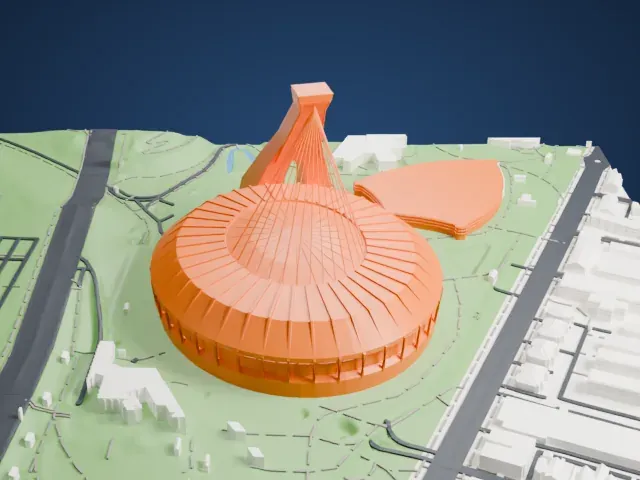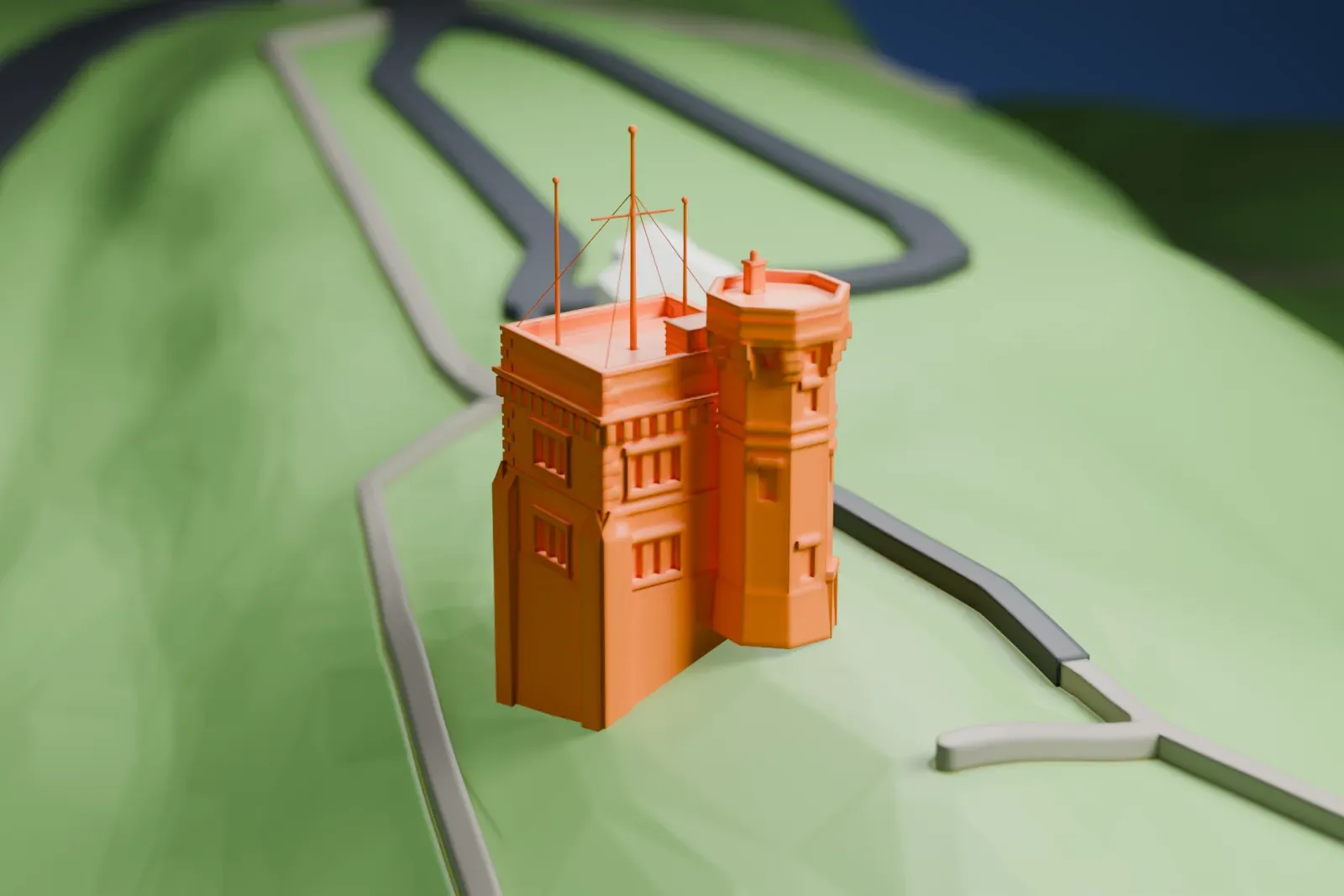
3D print Cabot Tower
A free, printable model of Cabot Tower and the surrounding streets and buildings in St. John's, generated from real map data in your browser.
-
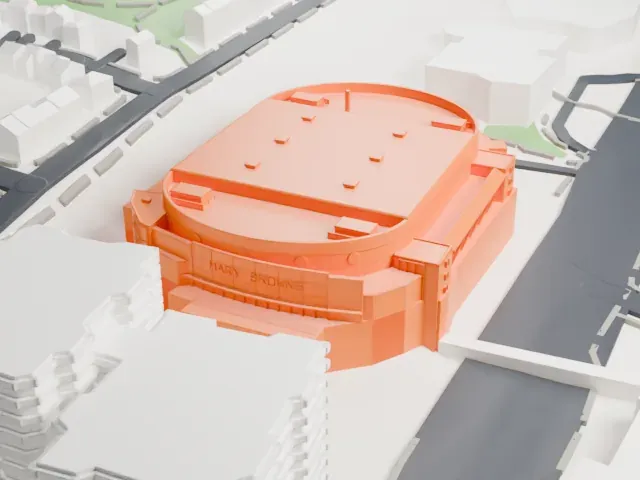
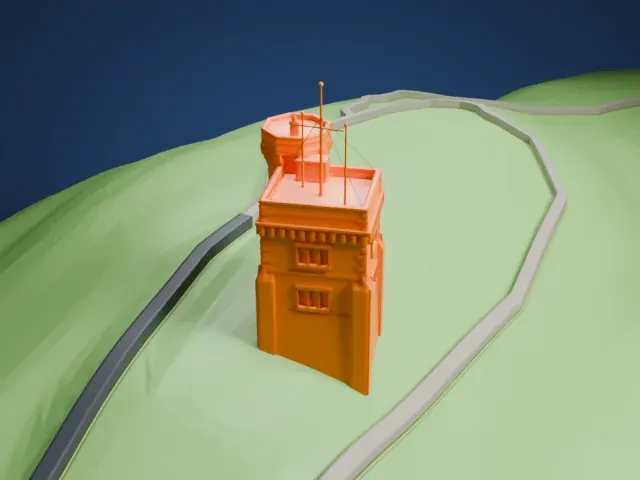 North
-
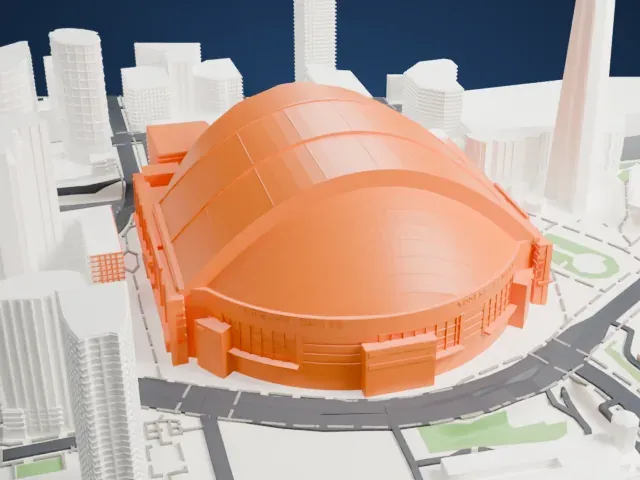
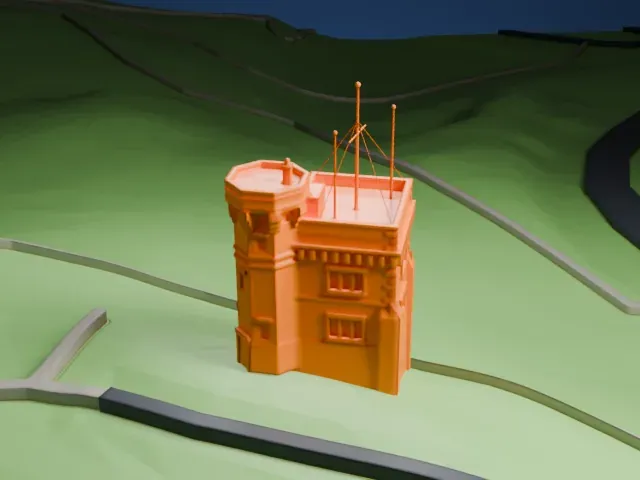 East
-
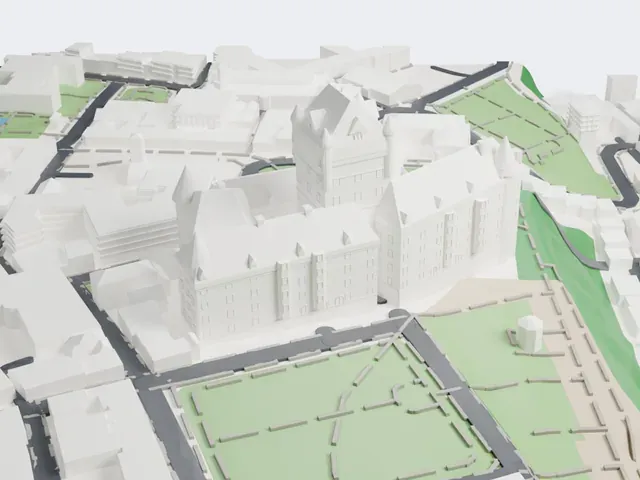
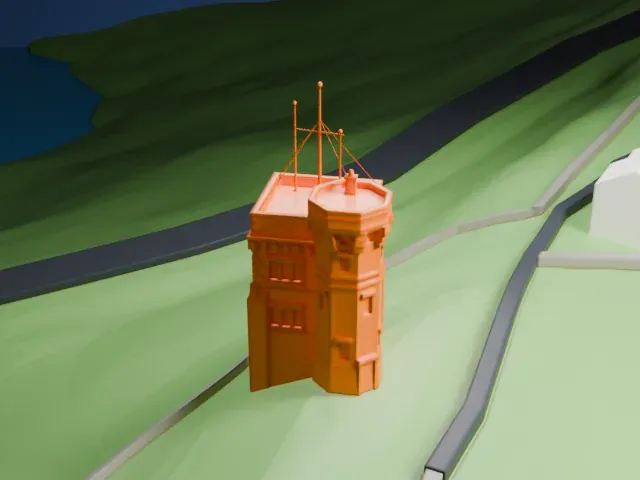 South
-
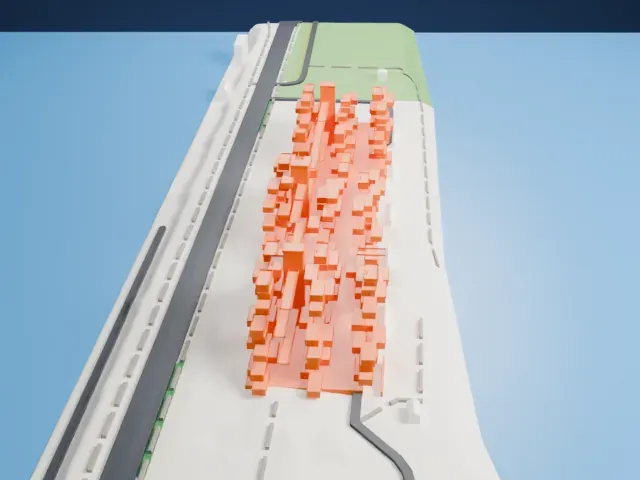
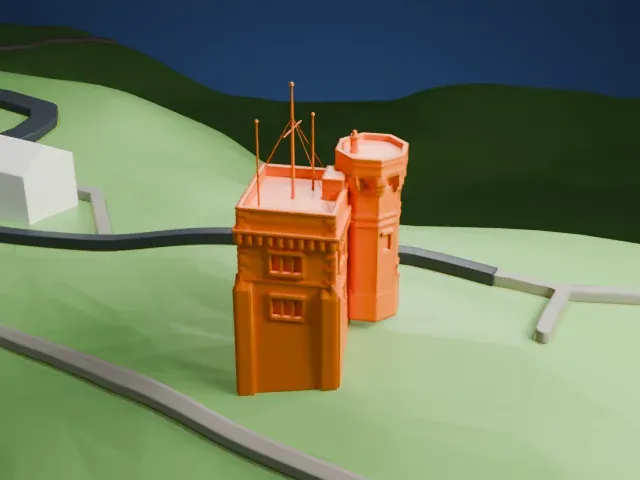 West
The model you print
Cabot Tower in 3D
The landmark on its own, at its size on a 160 mm print. Print friendly thickens thin parts for a 0.4 mm nozzle; Full detail keeps every part.
- On a 160 mm print
- 7 mm
- Scale
- 1:3,750
7 mm tall on a 160 mm print
Make this print opens the generator on a 600 m square around the landmark. Buildings print at close to true scale, so the landmark grows with the print size.
- Small turret and buttresses
The real tower has an octagonal turret and buttressed corners, which are small features at print scale. Print larger, or choose Full detail with a fine nozzle, to keep them; Print friendly adapts them to a small print.
- One piece with the ground
Cabot Tower is joined to the ground in the exported file, and the four-side check found no floating parts, so nothing needs gluing.
- Pick the detail for your nozzle
In the Buildings settings, set Landmark detail to Print friendly to adapt thin parts and small details to the print scale. Full detail keeps every modeled feature, for larger prints or a finer nozzle.
- Colors
Buildings, roads, water and ground arrive as separate filament slots in the 3MF. Cabot Tower takes the building color.
- File format
You get a 3MF for Bambu Studio, OrcaSlicer or PrusaSlicer. Any of them can save it as STL if you need one.
About Cabot Tower
Cabot Tower crowns Signal Hill above St. John's, in the province of Newfoundland and Labrador, looking over the city and the ocean. Work began in 1898 to mark Queen Victoria's Diamond Jubilee as well as the 400th anniversary of the arrival of John Cabot in Newfoundland, and the tower was completed in 1900. It sits at the core of Signal Hill National Historic Site in Canada, which has walking trails and an interpretation center.
William Howe Greene, a prominent St. John's architect, designed it in the late Gothic Revival style. It is built of irregularly coursed red sandstone. A two-story square main body is joined by a 50 foot octagonal tower of three stories at the southeast corner, which holds the main entrance. The corners of the first floor are buttressed.
The building was used mainly for flag signalling, the final signalling blockhouse in a series built on Signal Hill, and flags were flown from it until 1958. Near the tower in 1901, Guglielmo Marconi picked up the first trans-Atlantic wireless message, the Morse Code letter "S", transmitted from Poldhu in Cornwall, United Kingdom.
About this model
Cabot Tower is one of more than 5,500 landmark models in Mini Skyline. They are made with AI, and each one is checked from four sides in its real surroundings before release. Each model is written as code from public descriptions, plans, photographs and aerial views used only as references; no image or third-party model is copied into it. Everything around it is built from OpenStreetMap and Overture map data. Rights in the building itself, its name and any brands on it are not granted by Mini Skyline; clear them separately before you sell prints. If you would rather print the shape from map data, turn off Landmark models in the Buildings settings.
Keep exploring