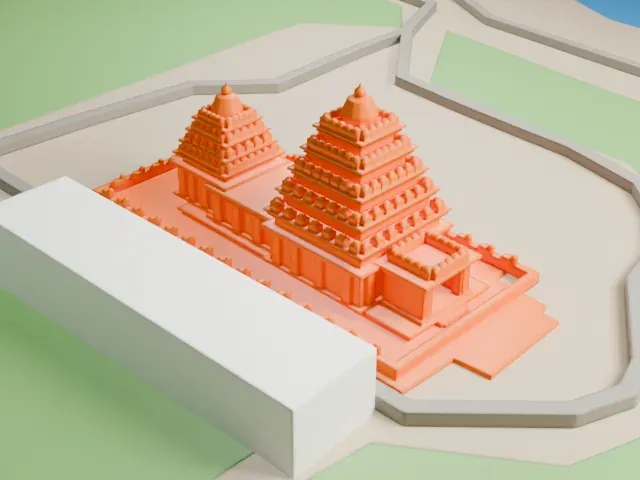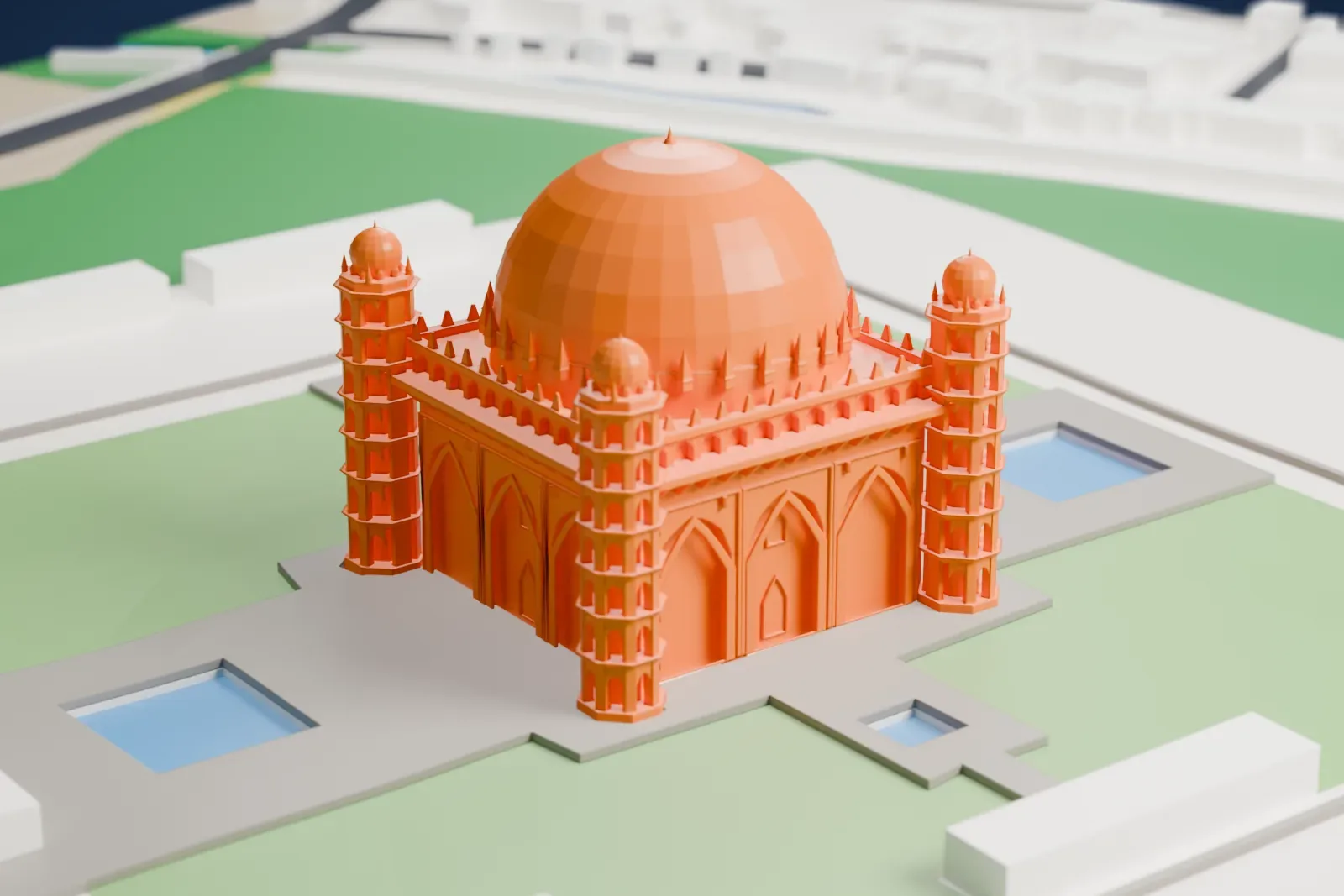
3D print Gol Gumbaz
A free, printable model of Gol Gumbaz, its great dome and four corner minarets, with the paths, pools and grounds around it, generated from real map data in your browser.
-
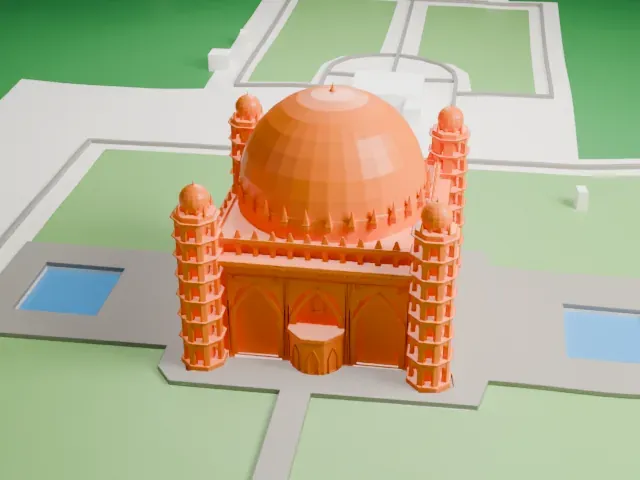 North
-
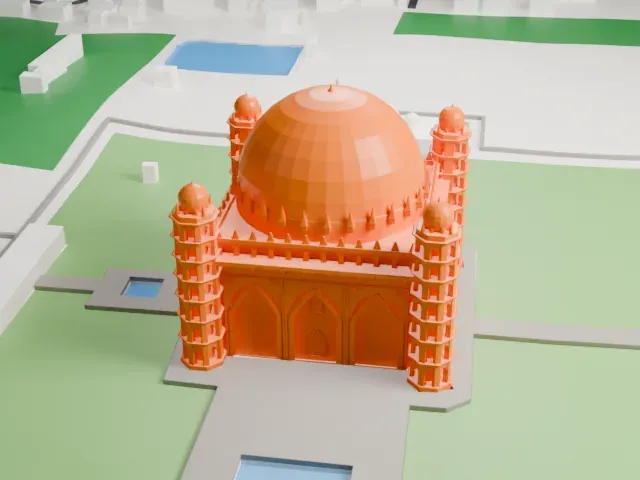 East
-
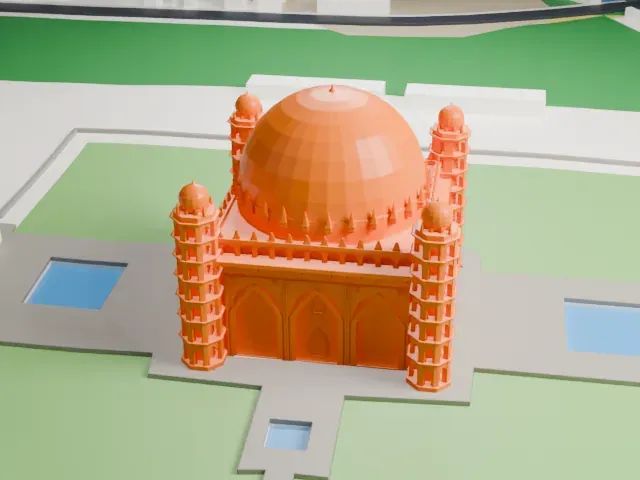 South
-
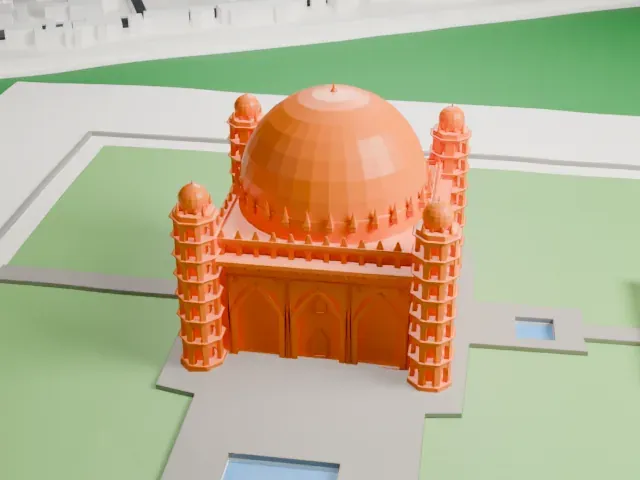 West
The model you print
Gol Gumbaz in 3D
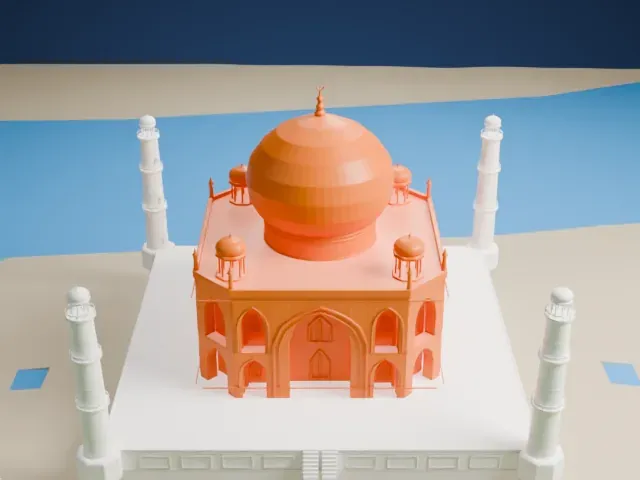
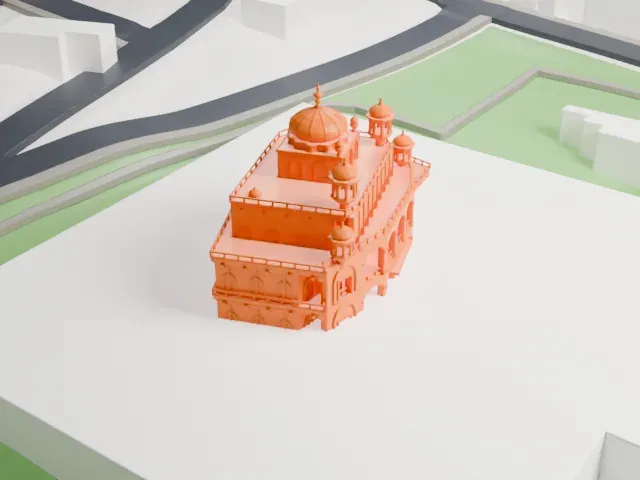
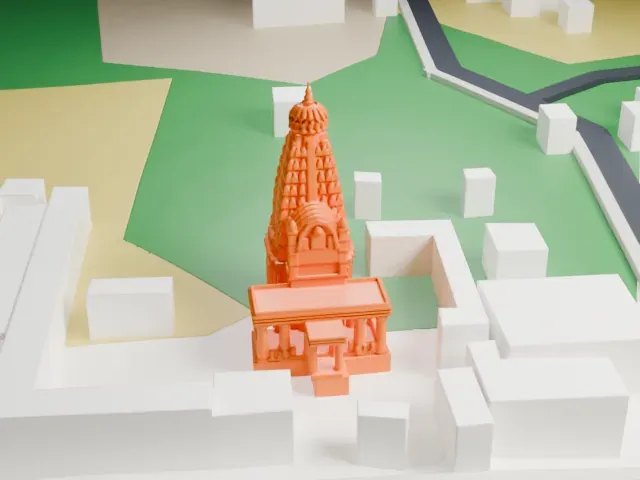
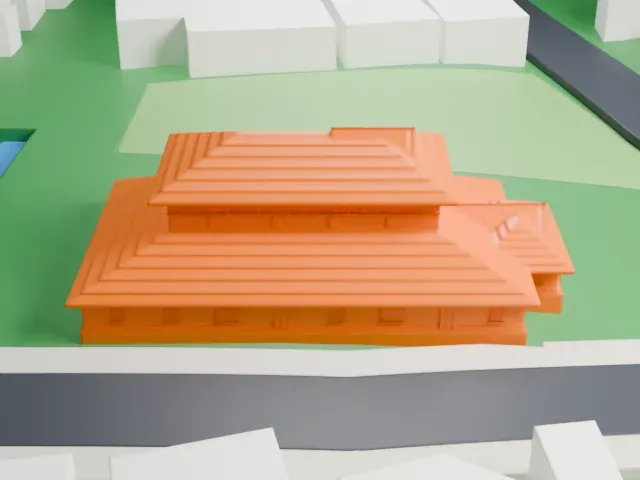
The landmark on its own, at its size on a 160 mm print. Print friendly thickens thin parts for a 0.4 mm nozzle; Full detail keeps every part.
- On a 160 mm print
- 16 mm
- Scale
- 1:3,750
16 mm tall on a 160 mm print
Make this print opens the generator on a 600 m square around the landmark. Buildings print at close to true scale, so the landmark grows with the print size.
- Corner minarets and small spires
Four tall corner minarets, each with a small dome, and many small spires ring the great dome. Print friendly adapts these thin parts to the print scale; Full detail keeps them, which suits a larger print and slow, well-cooled printing.
- One piece with the ground
Gol Gumbaz is joined to the ground in the exported file, and the four-side check found no floating parts, so nothing needs gluing.
- Pick the detail for your nozzle
In the Buildings settings, set Landmark detail to Print friendly to adapt thin parts and small details to the print scale. Full detail keeps every modeled feature, for larger prints or a finer nozzle.
- Colors
Buildings, roads, water and ground arrive as separate filament slots in the 3MF. Gol Gumbaz takes the building color.
- File format
You get a 3MF for Bambu Studio, OrcaSlicer or PrusaSlicer. Any of them can save it as STL if you need one.
About Gol Gumbaz
Gol Gumbaz, meaning "Round Dome", is a basalt mausoleum in Bijapur, a city in northern Karnataka, India. Mohammad Adil Shah, the Sultanate of Bijapur's seventh ruler, is buried here, alongside his two wives, a mistress, a daughter and a grandson. Construction started in the early 17th century and stopped in 1656, after his death, leaving several decorative elements unfinished.
The central dome is hemispherical and measures 44 m (144 ft) across on the outside. On completion it was India's largest unsupported dome and counted among the biggest domes of the medieval era. The tomb was built in three stages: the foundation and a raised platform, then four basalt outer walls linked by an octagonal minaret at every corner, and finally a huge dome of brick and lime mortar layers. Mohammad Adil Shah wanted it to exceed his father's mausoleum in both size and scale.
In the Deccan region, it stands out as Indo-Islamic architecture mixing Persian, Mughal and local styles. Besides the tomb, the grounds hold a dargah, a mosque and a naqqar khana, all set within a charbagh garden. It was opened to the public in 1892, and in 1962 the Archaeological Survey of India took over the complex.
About this model
Gol Gumbaz is one of more than 6,500 landmark models in Mini Skyline. They are made with AI, and each one is checked in its real surroundings before release. Each model is written as code from public descriptions, plans, photographs and aerial views used only as references; no image or third-party model is copied into it. Everything around it is built from OpenStreetMap and Overture map data. Rights in the building itself, its name and any brands on it are not granted by Mini Skyline; clear them separately before you sell prints. If you would rather print the shape from map data, turn off Landmark models in the Buildings settings.
Mini Skyline is not affiliated with, or endorsed by, the owners of this building or its names and marks.
Keep exploring