3D print the Maximilianeum
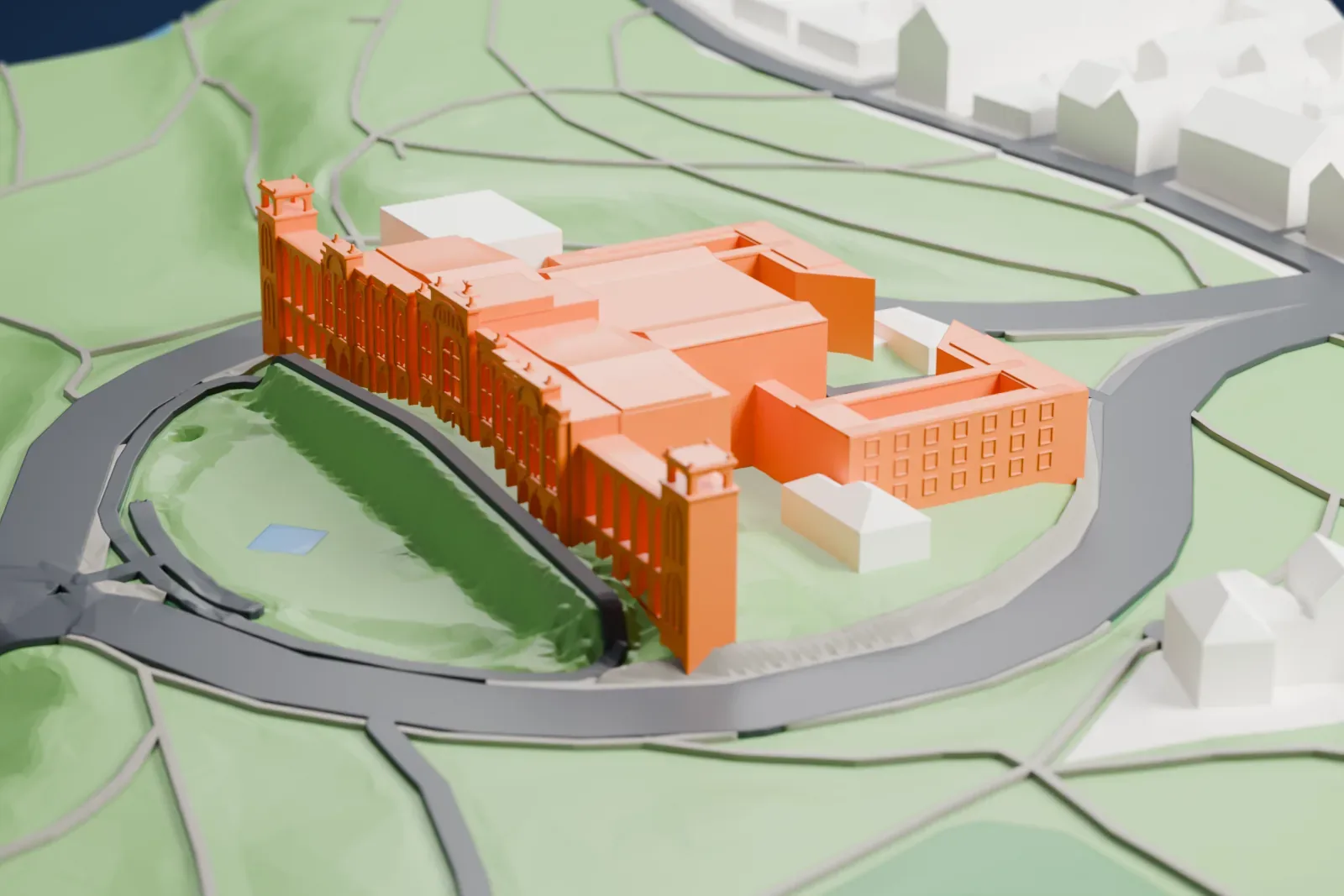
A free, printable model of the Maximilianeum and the surrounding buildings along Maximilianstrasse in Munich, generated from real map data in your browser.
-
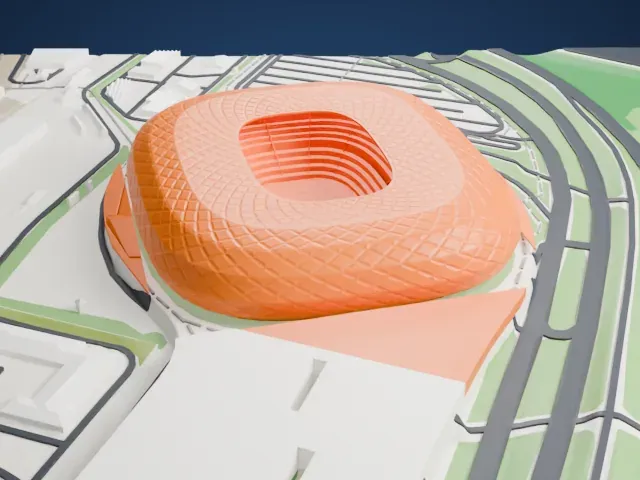
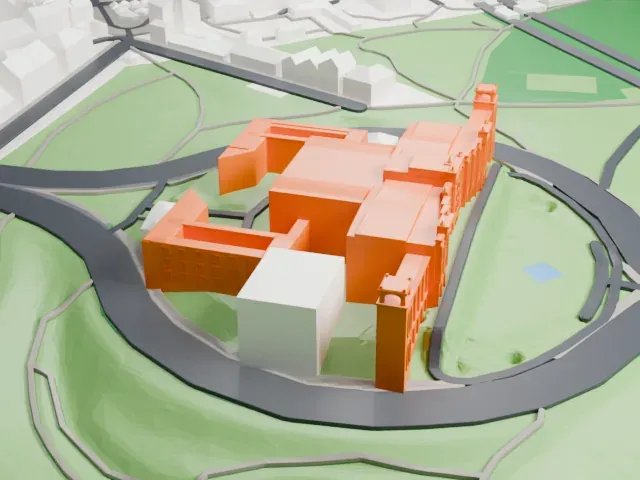 North
-
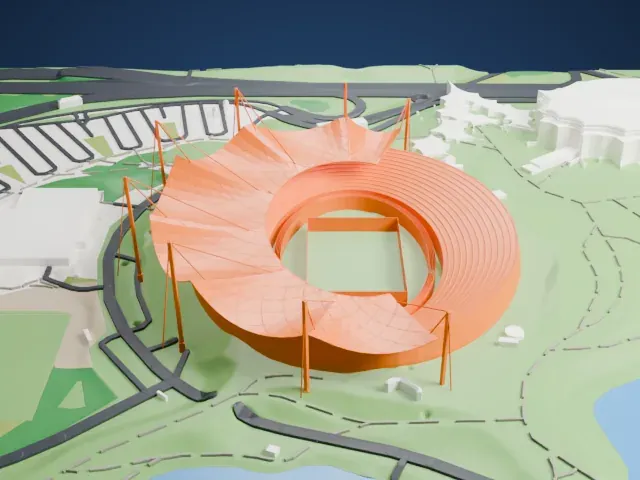
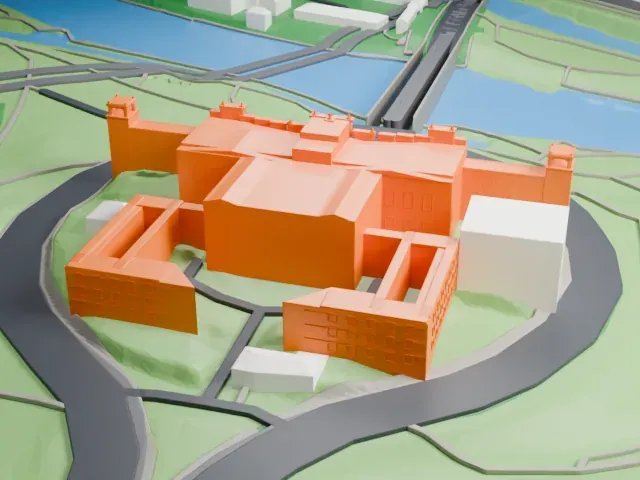 East
-
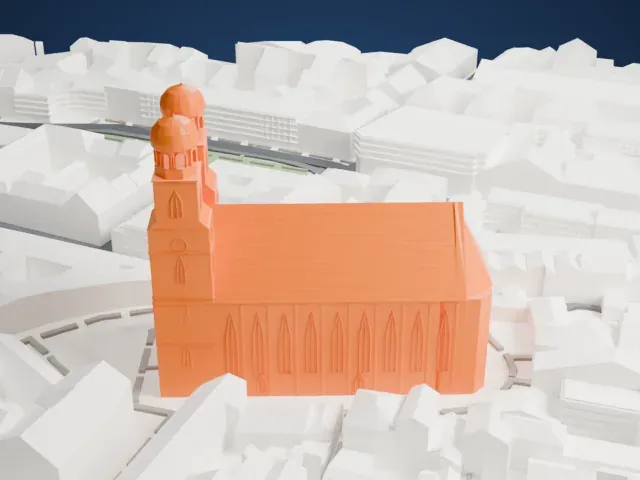
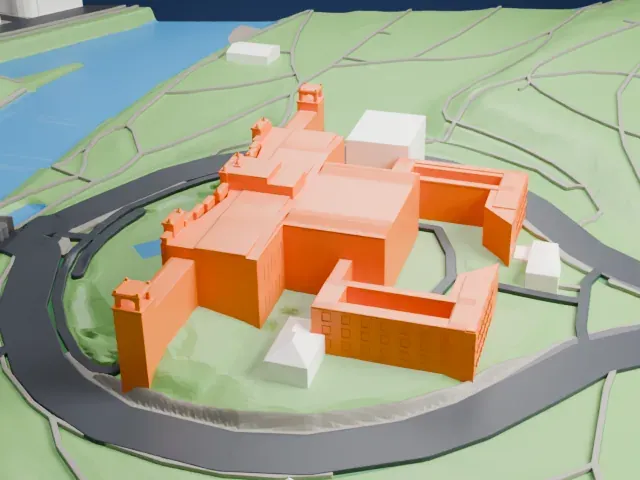 South
-
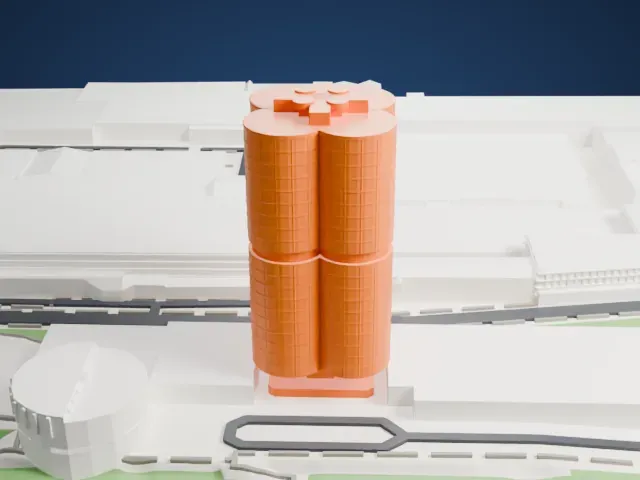
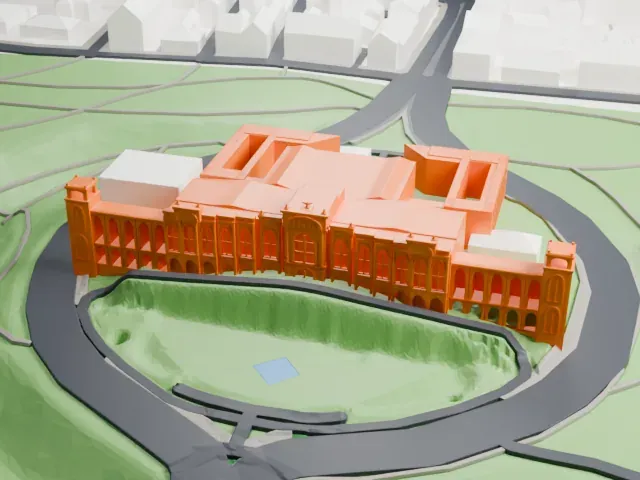 West
- On a 160 mm print
- 9 mm
- Scale
- 1:3,750
9 mm tall on a 160 mm print
Make this print opens the generator on a 600 m square around the landmark. Buildings print at close to true scale, so the landmark grows with the print size.
- A broad palace front
The building is a broad palace rather than a tall tower. Print larger, or use Full detail, and keep layers at 0.12–0.16 mm so the facade and roofline stay readable.
- One piece with the ground
The Maximilianeum is joined to the ground in the exported file, and the four-side check found no floating parts, so nothing needs gluing.
- Pick the detail for your nozzle
In the Buildings settings, set Landmark detail to Print friendly to adapt thin parts and small details to the print scale. Full detail keeps every modeled feature, for larger prints or a finer nozzle.
- Colors
Buildings, roads, water and ground arrive as separate filament slots in the 3MF. The Maximilianeum takes the building color.
- File format
You get a 3MF for Bambu Studio, OrcaSlicer or PrusaSlicer. Any of them can save it as STL if you need one.
About the Maximilianeum
The Maximilianeum is a palatial building in Munich, built as the home of a foundation for gifted students and, since 1949, also the seat of the Bavarian State Parliament. King Maximilian II set up the foundation in 1852 to train gifted students for the civil service, and construction was his initiative in 1857, with Friedrich Bürklein as lead architect. The building stands on the bank of the Isar above the Maximilian Bridge, at Maximilianstrasse's eastern end, a royal avenue of Neo-Gothic palaces.
Weight problems delayed completion until 1874. The façade had been conceived as Neo-Gothic but needed alteration, and Gottfried Semper took on the adjustments, which gave the building its final quasi-Renaissance appearance, with arches, columns, mosaics, and busts set in niches. The royal page school and a historical gallery also used part of it until 1918. Bombing in World War II damaged it significantly, and it was rebuilt.
The foundation continues: annually, six to eight male students are given scholarships, free lodging and meals at the Maximilianeum, and the chance to study abroad and take language courses. Albrecht, Duke of Bavaria set up a similar scholarship for women in 1980, and the house exchanges students with Balliol College, Oxford. The Bavarian government moved in during 1949, and the rear has been extended in 1958, 1964, 1992 and 2012; in June 2015 the entrance hall was named after Bürklein.
About this model
The Maximilianeum is one of more than 4,400 landmark models in Mini Skyline. They are made with AI, and each one is checked from four sides in its real surroundings before release. Everything around it is built from OpenStreetMap and Overture map data. If you would rather print the shape from map data, turn off Landmark models in the Buildings settings.
Same skyline