3D print the National Academy of Design
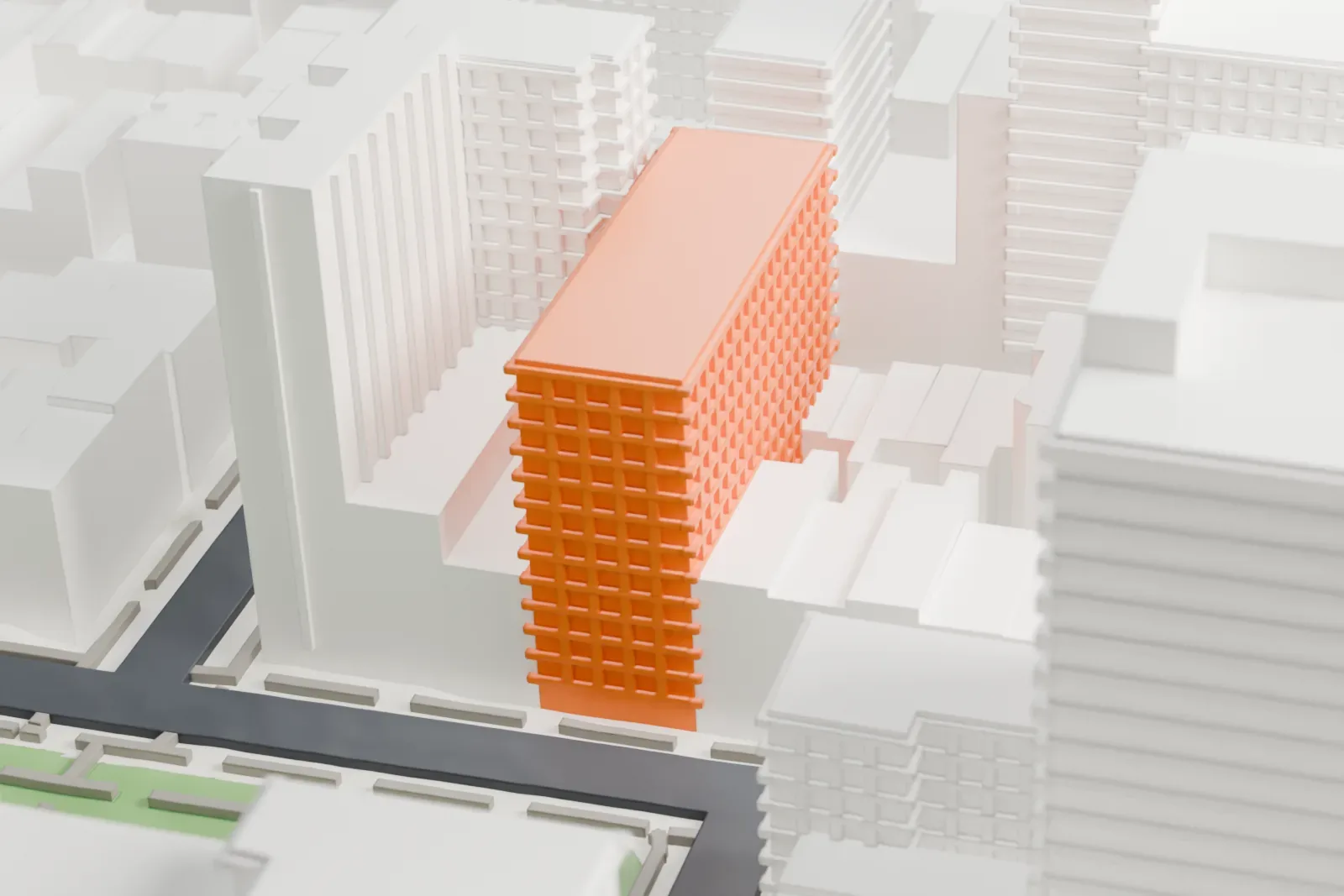
A free, printable model of the National Academy of Design's building and the buildings and park around it, generated from real map data in your browser.
Free, in your browser. Exports a slicer-ready 3MF.
About the National Academy of Design
As an honorary association of American artists, the National Academy of Design traces back to 1825, when Samuel Morse, Asher Durand, Thomas Cole and other artists set it up in New York City, aiming to advance fine art in America by teaching and exhibiting. Nobody can apply to join: the roll of members is capped at 450, all of them American artists and architects chosen by their peers for recognized excellence.
Its founders had been pupils at an earlier body called American Academy of the Fine Arts, but by 1825 they felt it gave too little support for teaching. They formed a drawing association, and when four of six nominees for directorships at the American Academy were not elected, the annoyed artists decided to create their own academy. Morse had trained at London's Royal Academy of Arts and modeled the new academy's structure and goals on it. The name National Academy of Design dates from 1828.
Over the years the academy occupied several Manhattan locations. On Park Avenue at 23rd Street stood a Venetian Gothic building by the architect P. B. Wight, built from 1863 to 1865. West 109th Street and Amsterdam Avenue was its home from 1899 to 1941. From 1942 to 2019 the academy occupied a mansion near 89th Street, at 1083 Fifth Avenue. Previously, the sculptor Anna Hyatt Huntington and the philanthropist Archer M. Huntington lived there, and the house was donated in 1940.
How it prints
Make this print opens the generator on a 600 m square around the landmark. Buildings print at close to true scale, so the landmark grows with the print size.
| Print size | Landmark height | Scale |
|---|---|---|
| 160 mm default | 12 mm | 1:3,750 |
| 200 mm | 15 mm | 1:3,000 |
| 256 mm | 19 mm | 1:2,344 |
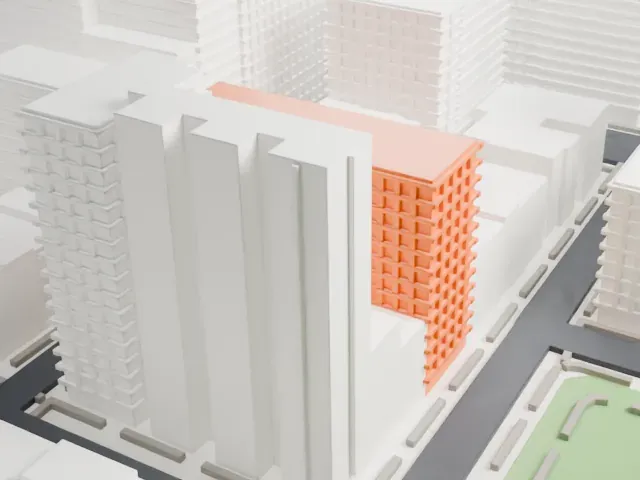
-
 North
North
-
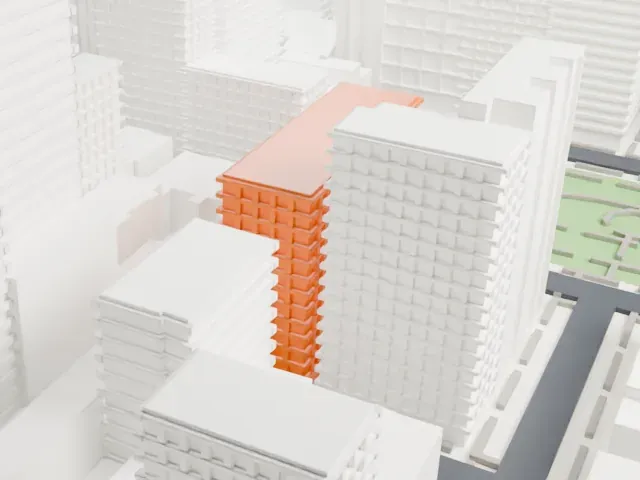
 East
East
-
 South
South
-
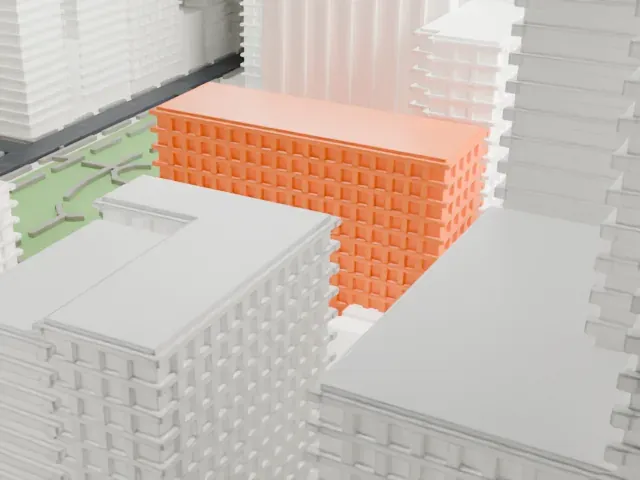 West
West
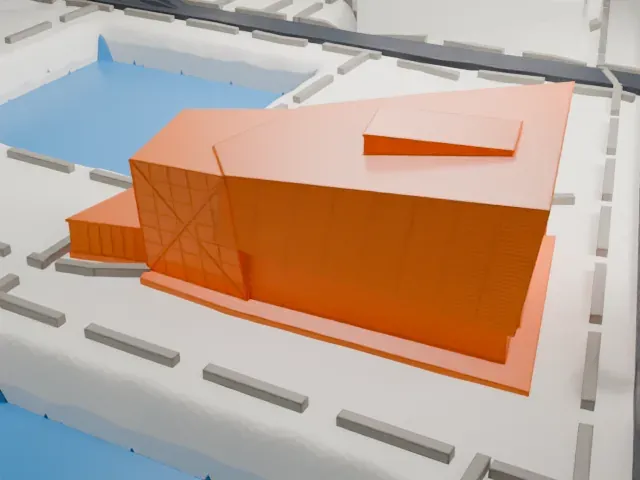
- Ornate cornice and bay fronts
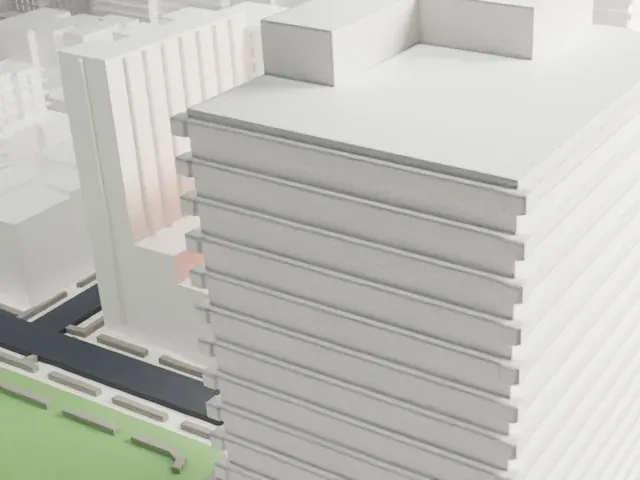
- The narrow street front has a decorated cornice and projecting bays, all shallow detail. Layers of 0.12–0.16 mm keep them crisp; Print friendly adapts the finest trim on a small print.
- One piece with the ground
- The National Academy of Design is joined to the ground in the exported file, and the four-side check found no floating parts, so nothing needs gluing.
- Pick the detail for your nozzle
- In the Buildings settings, set Landmark detail to Print friendly to adapt thin parts and small details to the print scale. Full detail keeps every modeled feature, for larger prints or a finer nozzle.
- Colors
- Buildings, roads, water and ground arrive as separate filament slots in the 3MF. The National Academy of Design takes the building color.
- File format
- You get a 3MF for Bambu Studio, OrcaSlicer or PrusaSlicer. Any of them can save it as STL if you need one.
About this model
The National Academy of Design is one of more than 2,300 landmark models in Mini Skyline. They are made with AI, and each one is checked from four sides in its real surroundings before release. Everything around it is built from OpenStreetMap and Overture map data. If you would rather print the shape from map data, turn off Landmark models in the Buildings settings.
Common questions
Is there a National Academy of Design STL I can download?
Mini Skyline builds the file for you in your browser and exports 3MF, which every major slicer opens. If you need an STL, open the 3MF in your slicer and export it from there.
How big can I print it?
Any print size from 40 mm across. The National Academy of Design grows with the print: about 12 mm tall on the default 160 mm print. For a model larger than your printer bed, Project Mode splits the area into tiles.
Is it free?
Yes. Generation runs in your browser, with no account and nothing behind a paywall.