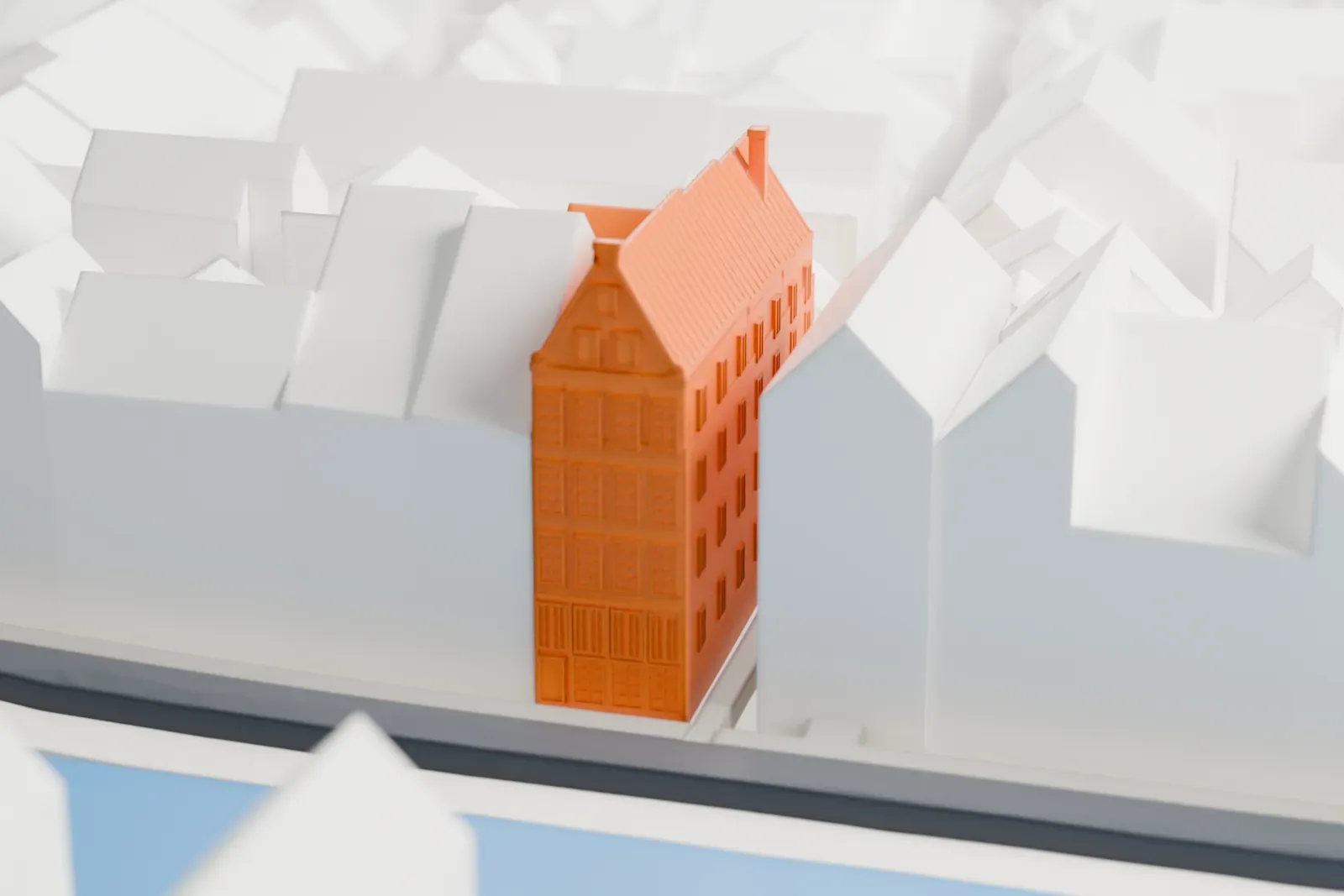
3D print Ons' Lieve Heer op Solder
A free, printable 3D model of Ons' Lieve Heer op Solder and the surrounding streets and buildings, generated from real map data in your browser.
-
 North
-
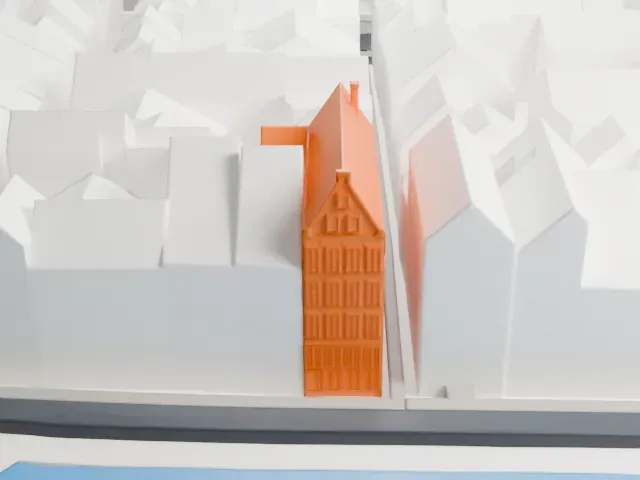 East
-
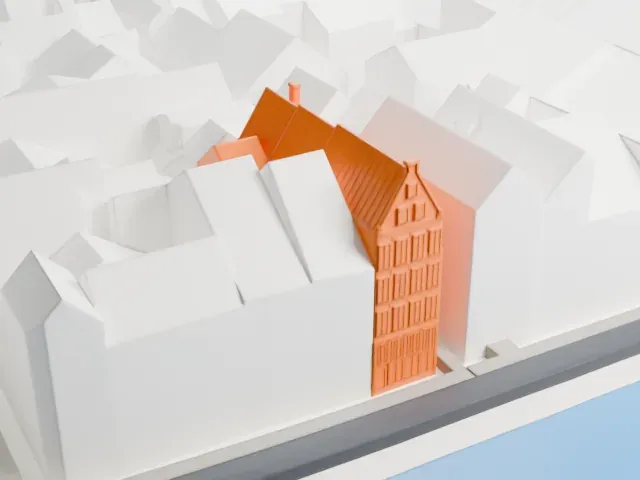 South
-
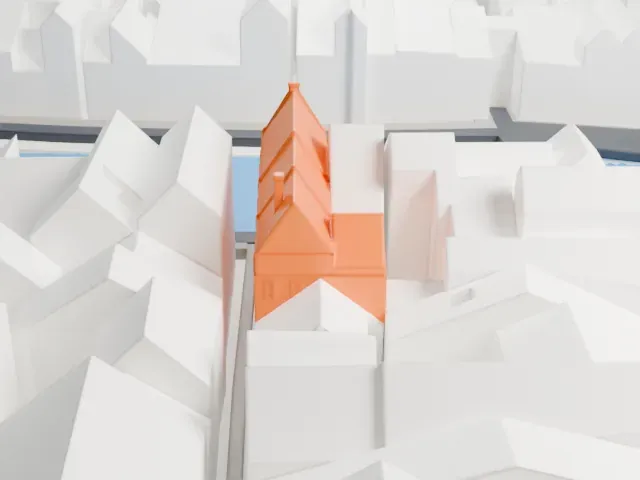 West
The model you print
Ons' Lieve Heer op Solder in 3D
The landmark on its own, at its size on a 160 mm print. Print friendly thickens thin parts for a 0.4 mm nozzle; Full detail keeps every part.
- On a 160 mm print
- 5 mm
- Scale
- 1:3,750
5 mm tall on a 160 mm print
Make this print opens the generator on a 600 m square around the landmark. Buildings print at close to true scale, so the landmark grows with the print size.
- Small facade details
A house this size has small details on its front and roofline. Use Full detail with a larger print size, and a 0.12–0.16 mm layer height, to keep them crisp.
- One piece with the ground
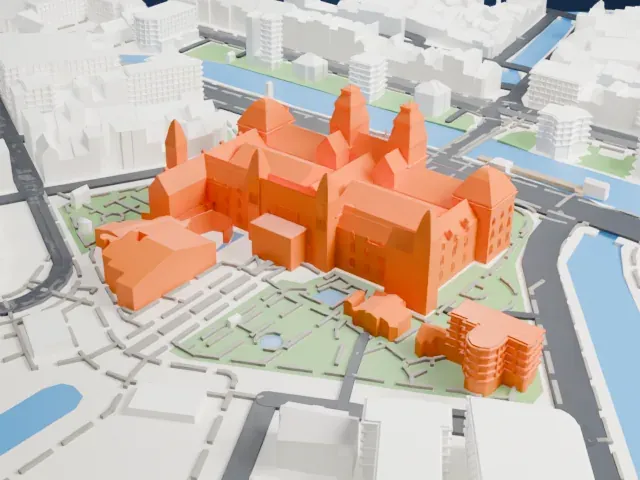
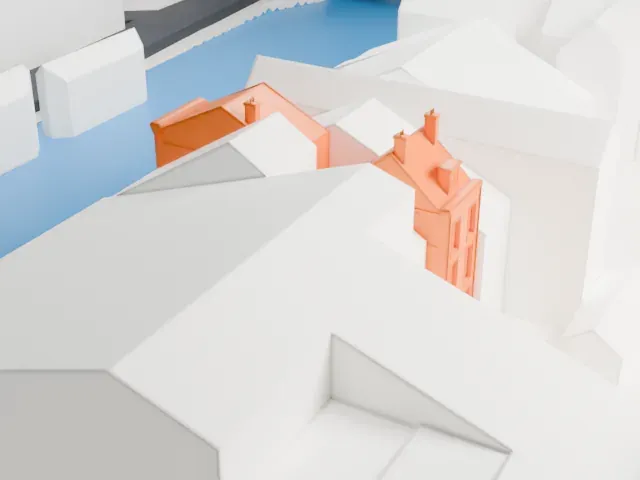
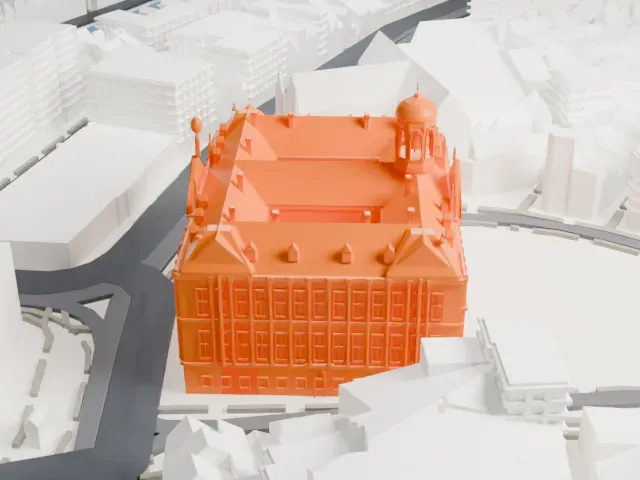
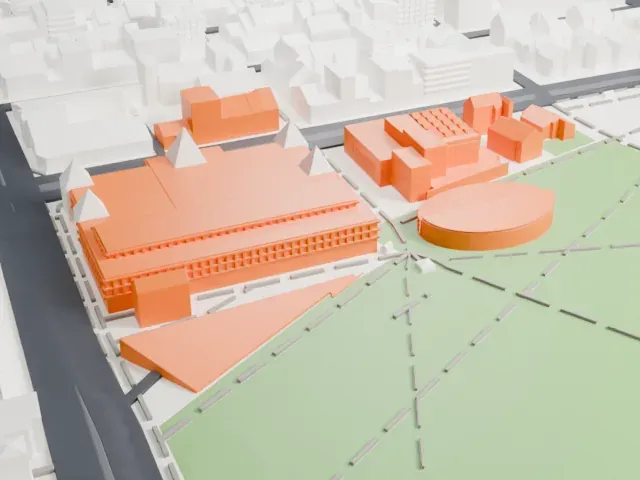
Ons' Lieve Heer op Solder is joined to the ground in the exported file, and the four-side check found no floating parts, so nothing needs gluing.
- Pick the detail for your nozzle
In the Buildings settings, set Landmark detail to Print friendly to adapt thin parts and small details to the print scale. Full detail keeps every modeled feature, for larger prints or a finer nozzle.
- Colors
Buildings, roads, water and ground arrive as separate filament slots in the 3MF. Ons' Lieve Heer op Solder takes the building color.
- File format
You get a 3MF for Bambu Studio, OrcaSlicer or PrusaSlicer. Any of them can save it as STL if you need one.
About Ons' Lieve Heer op Solder
Ons' Lieve Heer op Solder is a canal house from the 17th century that also holds a house church and a museum, in central Amsterdam, the Netherlands; the name means Our Lord in the Attic. The house, on the canal Oudezijds Voorburgwal, dates from 1630. Its top three floors became a Catholic house church between 1661 and 1663.
It ranks as a key example of a "schuilkerk" (clandestine church). Catholics and other dissenters from the Dutch Reformed Church of the seventeenth century, who could not worship in public, held their services in such places. It was renovated in both the 18th and 19th centuries.
Once the Church of St Nicholas had opened, the house church ceased to be used as a church, and on April 28, 1888, it opened to the public as a museum, the second-oldest in Amsterdam after the Rijksmuseum. The museum was formerly named Museum Amstelkring. Visitors can see the Lady chapel, the confessional, a 17th-century kitchen and the church itself. The property is listed as rijksmonument 6107.
About this model
Ons' Lieve Heer op Solder is one of more than 5,500 landmark models in Mini Skyline. They are made with AI, and each one is checked from four sides in its real surroundings before release. Each model is written as code from public descriptions, plans, photographs and aerial views used only as references; no image or third-party model is copied into it. Everything around it is built from OpenStreetMap and Overture map data. Rights in the building itself, its name and any brands on it are not granted by Mini Skyline; clear them separately before you sell prints. If you would rather print the shape from map data, turn off Landmark models in the Buildings settings.
Same skyline