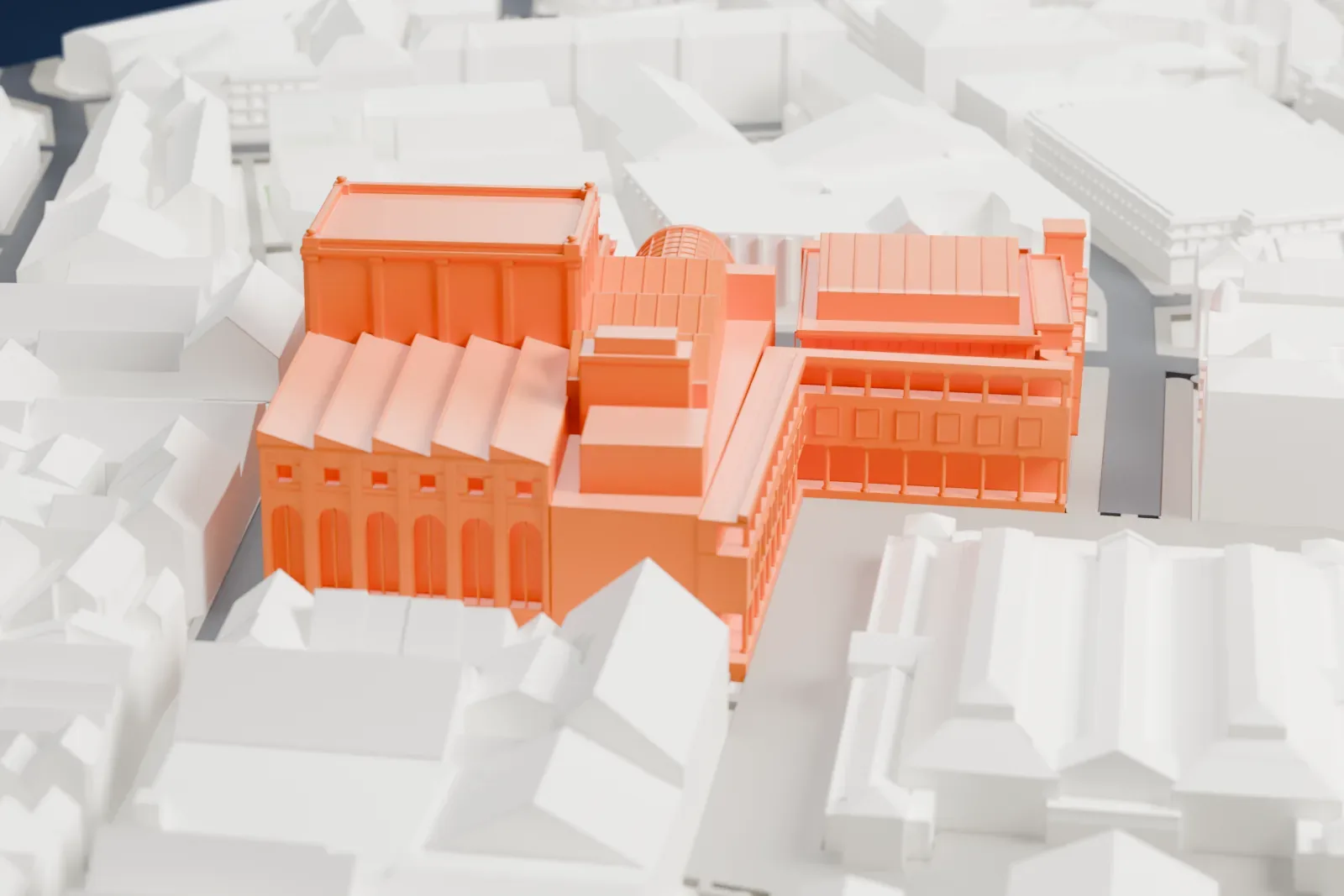
3D print the Royal Opera House
A free, printable model of the Royal Opera House and its surrounding streets and buildings, generated from real map data in your browser.
-
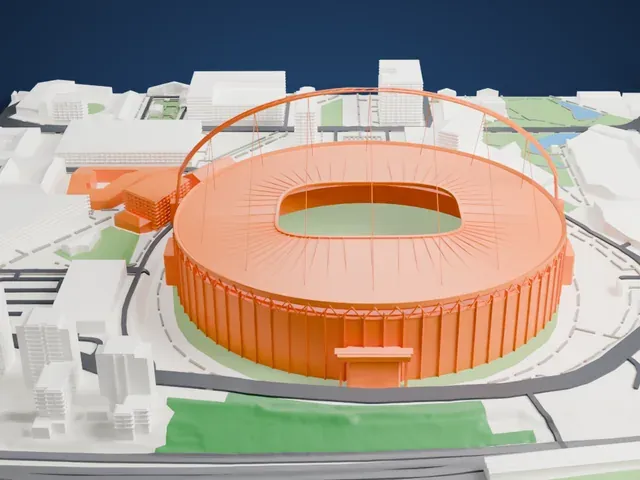
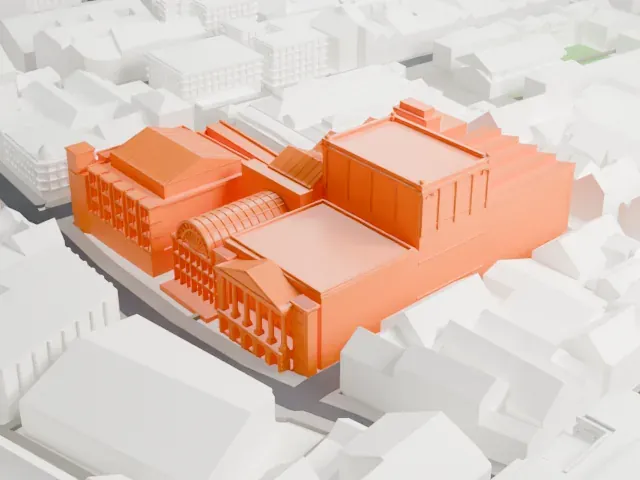 North
-
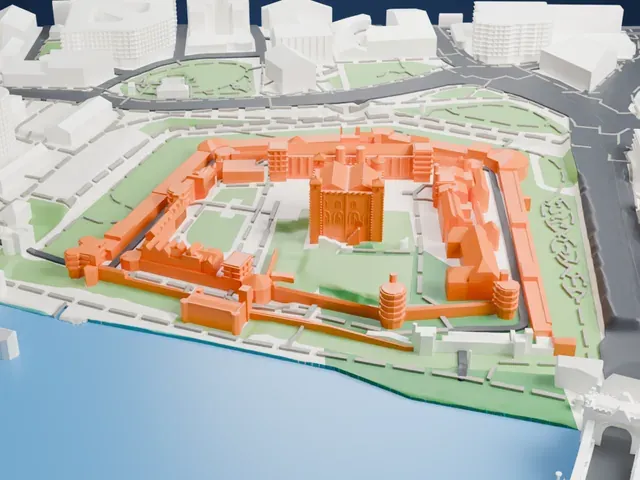
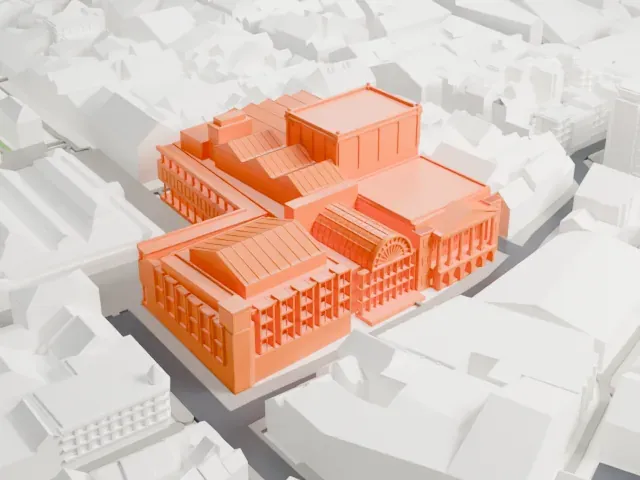 East
-
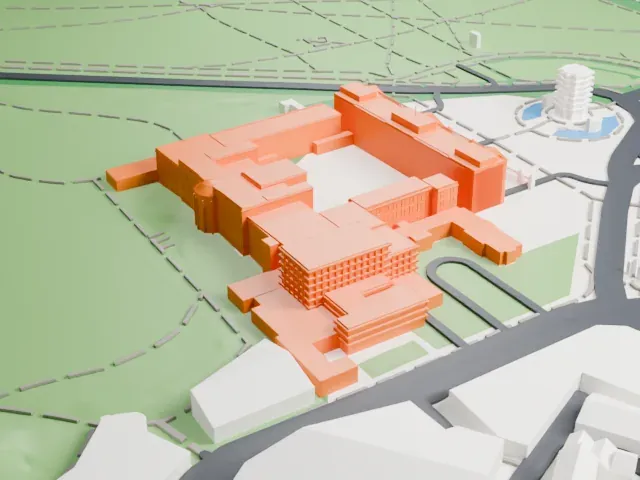
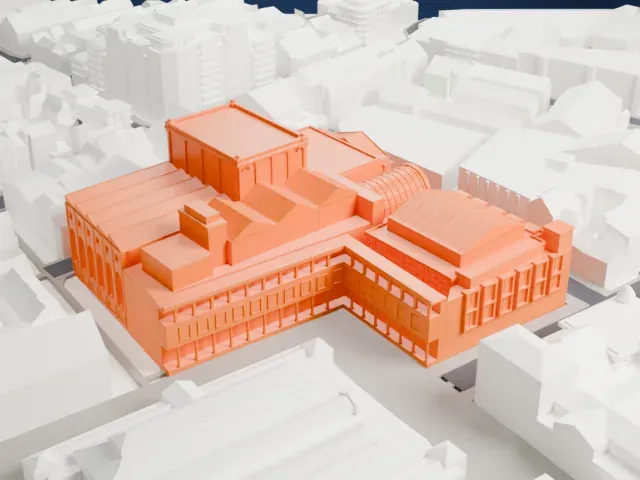 South
-
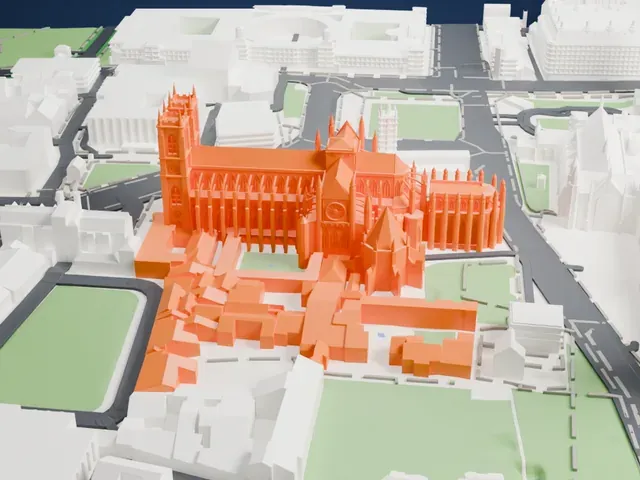
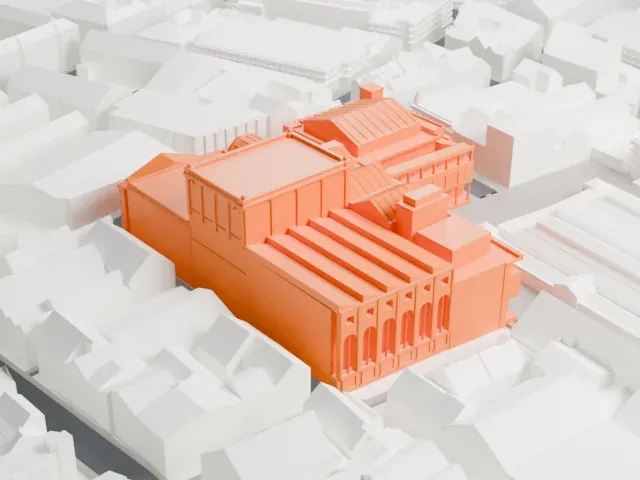 West
The model you print
Royal Opera House in 3D
The landmark on its own, at its size on a 160 mm print. Print friendly thickens thin parts for a 0.4 mm nozzle; Full detail keeps every part.
- On a 160 mm print
- 12 mm
- Scale
- 1:3,750
12 mm tall on a 160 mm print
Make this print opens the generator on a 600 m square around the landmark. Buildings print at close to true scale, so the landmark grows with the print size.
- Large roof, fine facade
An opera house has a broad roof and a front with small decorative detail. Print friendly adapts thin parts to the print scale; Full detail keeps more of them, and a bigger print keeps them crisp.
- One piece with the ground
The Royal Opera House is joined to the ground in the exported file, and the four-side check found no floating parts, so nothing needs gluing.
- Pick the detail for your nozzle
In the Buildings settings, set Landmark detail to Print friendly to adapt thin parts and small details to the print scale. Full detail keeps every modeled feature, for larger prints or a finer nozzle.
- Colors
Buildings, roads, water and ground arrive as separate filament slots in the 3MF. The Royal Opera House takes the building color.
- File format
You get a 3MF for Bambu Studio, OrcaSlicer or PrusaSlicer. Any of them can save it as STL if you need one.
About the Royal Opera House
The Royal Opera House stands in Covent Garden, central London, and is often known simply as Covent Garden. The Royal Ballet, The Royal Opera and an orchestra of its own are based there. The first playhouse on the site, the Theatre Royal, opened on December 7, 1732 to a design by Edward Shepherd, and for its first hundred years it worked mainly as a stage for plays.
A ballet was staged for the first time in 1734, and the first season of Handel operas began a year later. George Frideric Handel wrote many of his operas and oratorios specifically for Covent Garden, where they premiered. Fires in 1808 and 1856 destroyed the first two buildings, and the present one is the third on the site.
The facade, foyer and auditorium date to 1858, while almost all else in the complex comes from a far-reaching rebuilding in the 1990s. The main auditorium holds 2,256 people, the third largest in London, arranged in four tiers of boxes and balconies plus the amphitheatre gallery. Its proscenium measures 14.80 meters (48 ft 7 in) across. The main auditorium has Grade I listed status.
About this model
The Royal Opera House is one of more than 5,500 landmark models in Mini Skyline. They are made with AI, and each one is checked from four sides in its real surroundings before release. Each model is written as code from public descriptions, plans, photographs and aerial views used only as references; no image or third-party model is copied into it. Everything around it is built from OpenStreetMap and Overture map data. Rights in the building itself, its name and any brands on it are not granted by Mini Skyline; clear them separately before you sell prints. If you would rather print the shape from map data, turn off Landmark models in the Buildings settings.
Same skyline