3D print the Castel Sant'Elmo
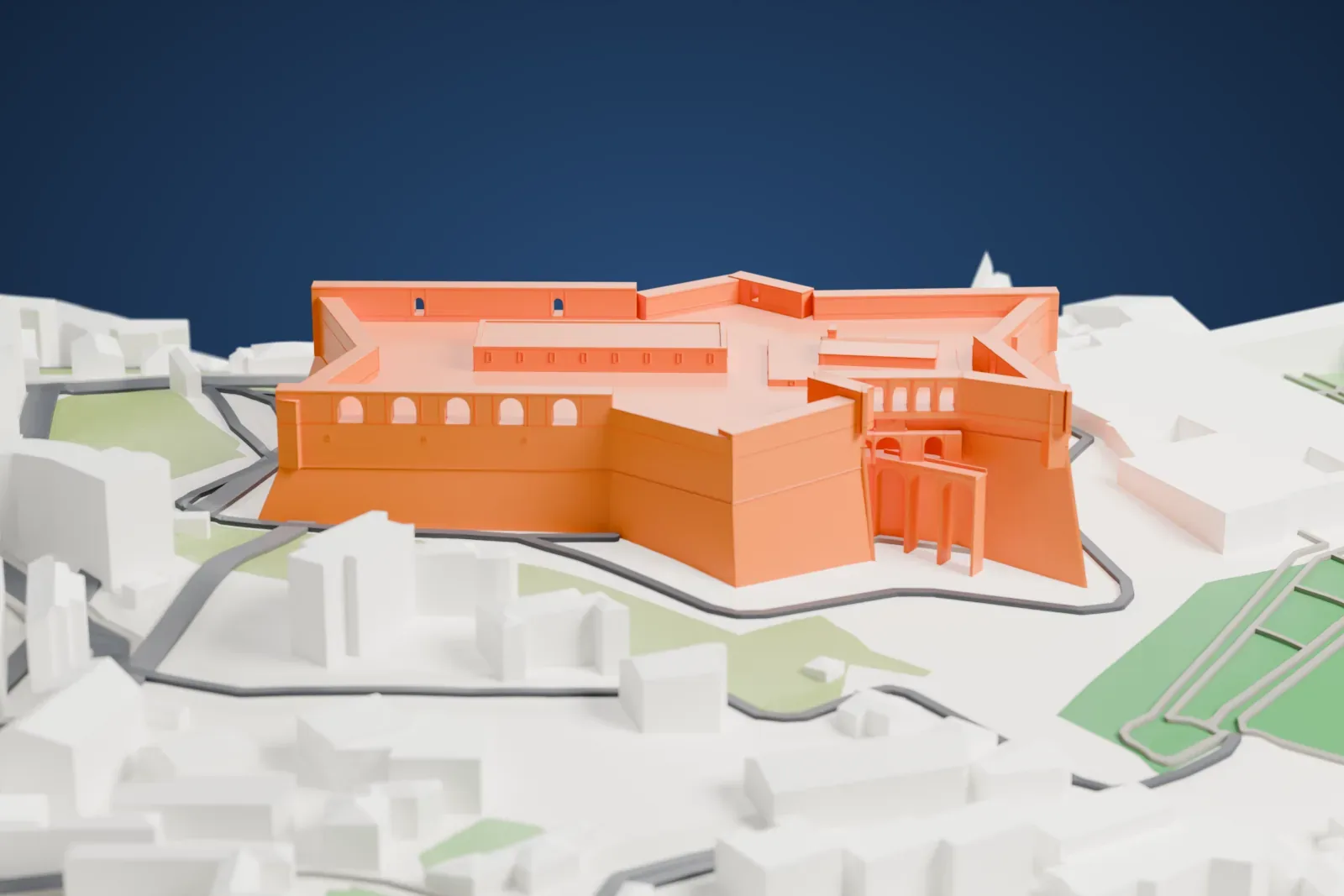
A free, printable model of Castel Sant'Elmo on Vomero Hill, with the surrounding city streets and buildings, generated from real map data in your browser.
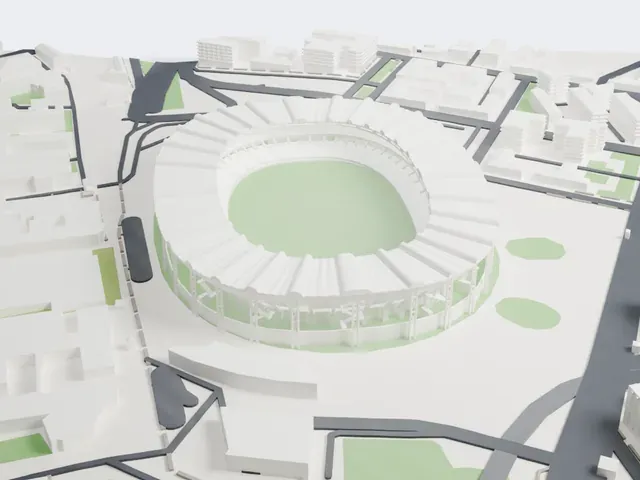
-
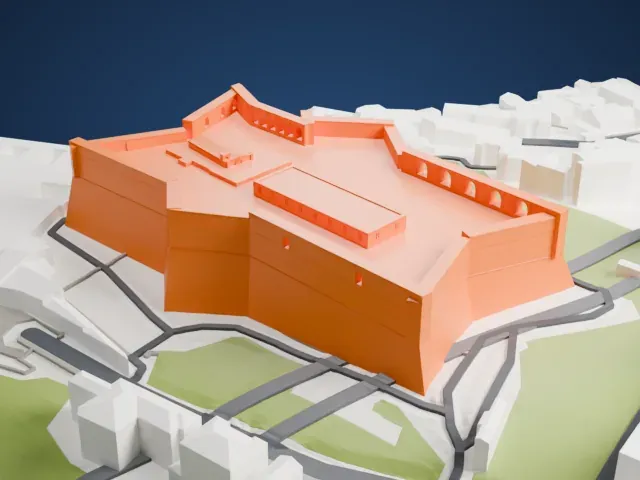 North
-
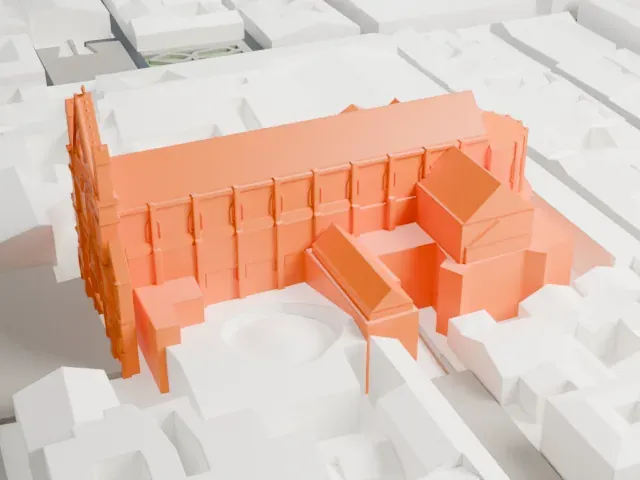
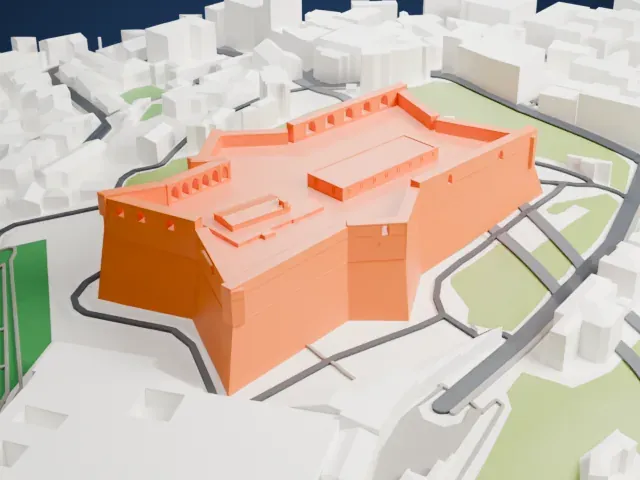 East
-
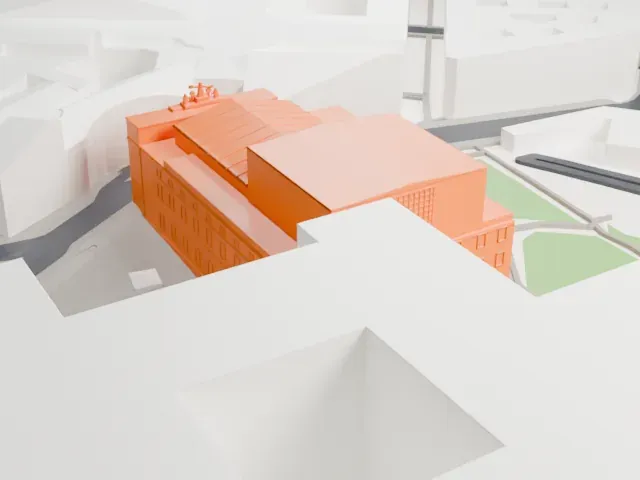
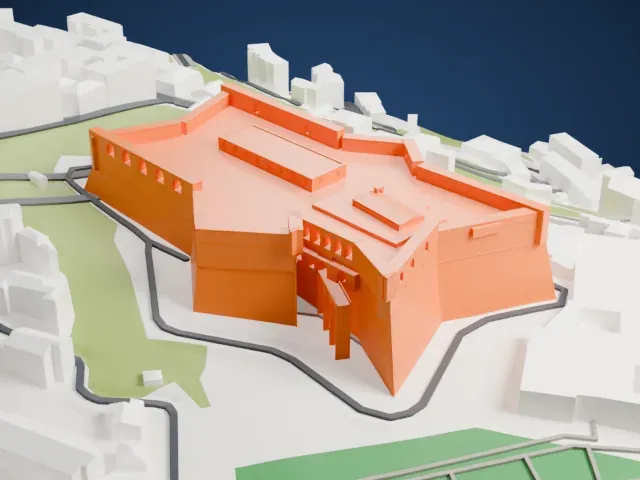 South
-
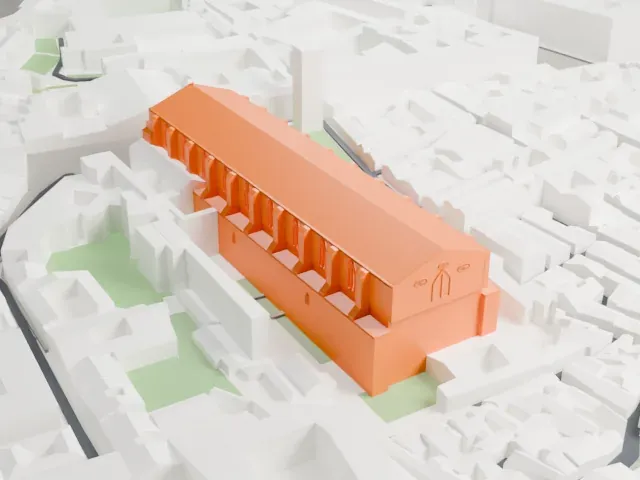
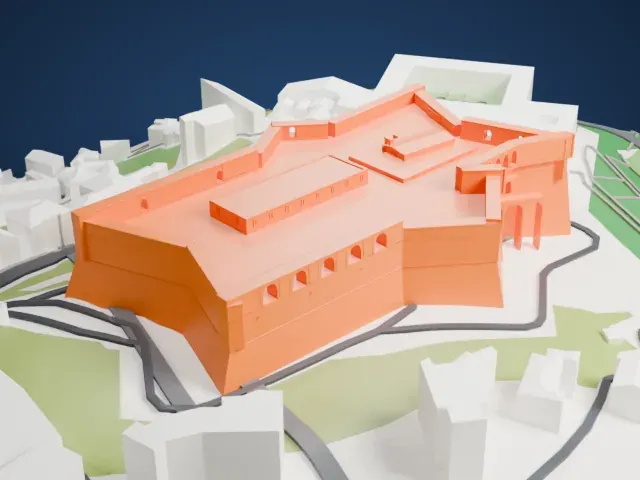 West
- On a 160 mm print
- 14 mm
- Scale
- 1:3,750
14 mm tall on a 160 mm print
Make this print opens the generator on a 600 m square around the landmark. Buildings print at close to true scale, so the landmark grows with the print size.
- Bastions and angled walls
A star fort's angled walls and bastions are the finest parts to print. Print friendly adapts small wall details to the print scale; Full detail keeps them as modeled, best for a larger print.
- One piece with the ground
The Castel Sant'Elmo is joined to the ground in the exported file, and the four-side check found no floating parts, so nothing needs gluing.
- Pick the detail for your nozzle
In the Buildings settings, set Landmark detail to Print friendly to adapt thin parts and small details to the print scale. Full detail keeps every modeled feature, for larger prints or a finer nozzle.
- Colors
Buildings, roads, water and ground arrive as separate filament slots in the 3MF. The Castel Sant'Elmo takes the building color.
- File format
You get a 3MF for Bambu Studio, OrcaSlicer or PrusaSlicer. Any of them can save it as STL if you need one.
About the Castel Sant'Elmo
Castel Sant'Elmo is a fortress from the Middle Ages on Vomero Hill in Naples, Italy, next to the Certosa di San Martino. The name comes from a 10th-century church that bore the name Sant'Erasmo, later shortened to Ermo and then Elmo. The fortress stands near the upper end of the Petraio, one of the earliest pedestrian routes between the upper and lower city.
Documents record a structure on the site from 1275, in the era of Charles of Anjou. It was known originally as Belforte. In 1329, King Robert of Naples had the fortress enlarged on plans by Tino da Camaino, an architect from Siena. An earthquake in 1456 badly damaged the Angevin walls and towers. The Aragonese later rebuilt it with a six-pointed star plan between 1537 and 1547, following designs by the Valencian military architect Pedro Luis Escriva. The unusual plan drew fierce criticism, and Escriva published a defense of it in 1538.
A lightning strike set off the munitions depot in 1587, destroying the church and officers' quarters. Reconstruction followed between 1599 and 1601 under Domenico Fontana. The castle is built of volcanic tufa and served as a military prison until 1952. A restoration begun in 1976 cleared centuries of additions. It is used as a museum, an exhibition hall, and offices; an auditorium seating 700 was created in its underground chambers.
About this model
The Castel Sant'Elmo is one of more than 4,400 landmark models in Mini Skyline. They are made with AI, and each one is checked from four sides in its real surroundings before release. Everything around it is built from OpenStreetMap and Overture map data. If you would rather print the shape from map data, turn off Landmark models in the Buildings settings.
Same skyline