3D print the John Rylands Research Institute and Library
A free, printable 3D model of the John Rylands Research Institute and Library in Manchester, with the surrounding streets and buildings, generated from real map data in your browser.
-
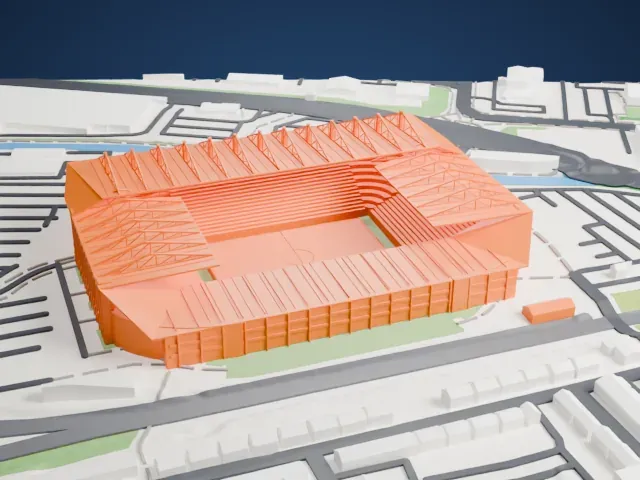
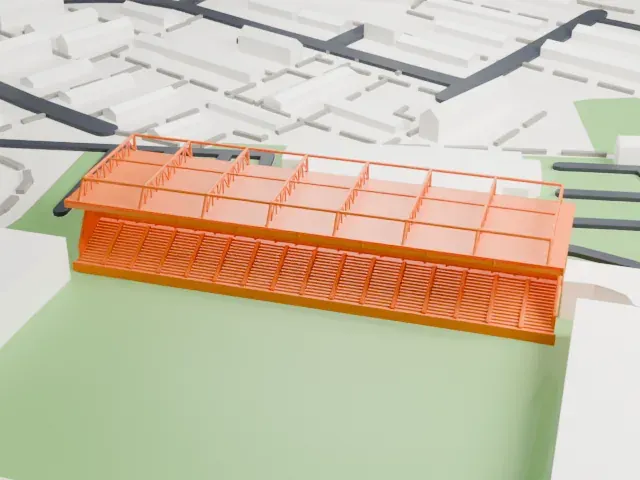
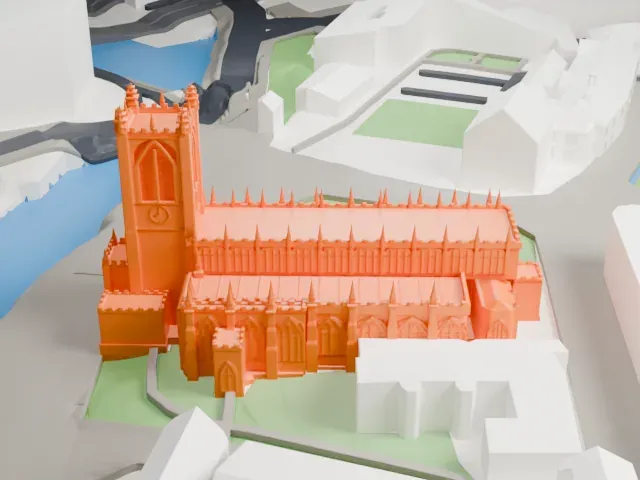
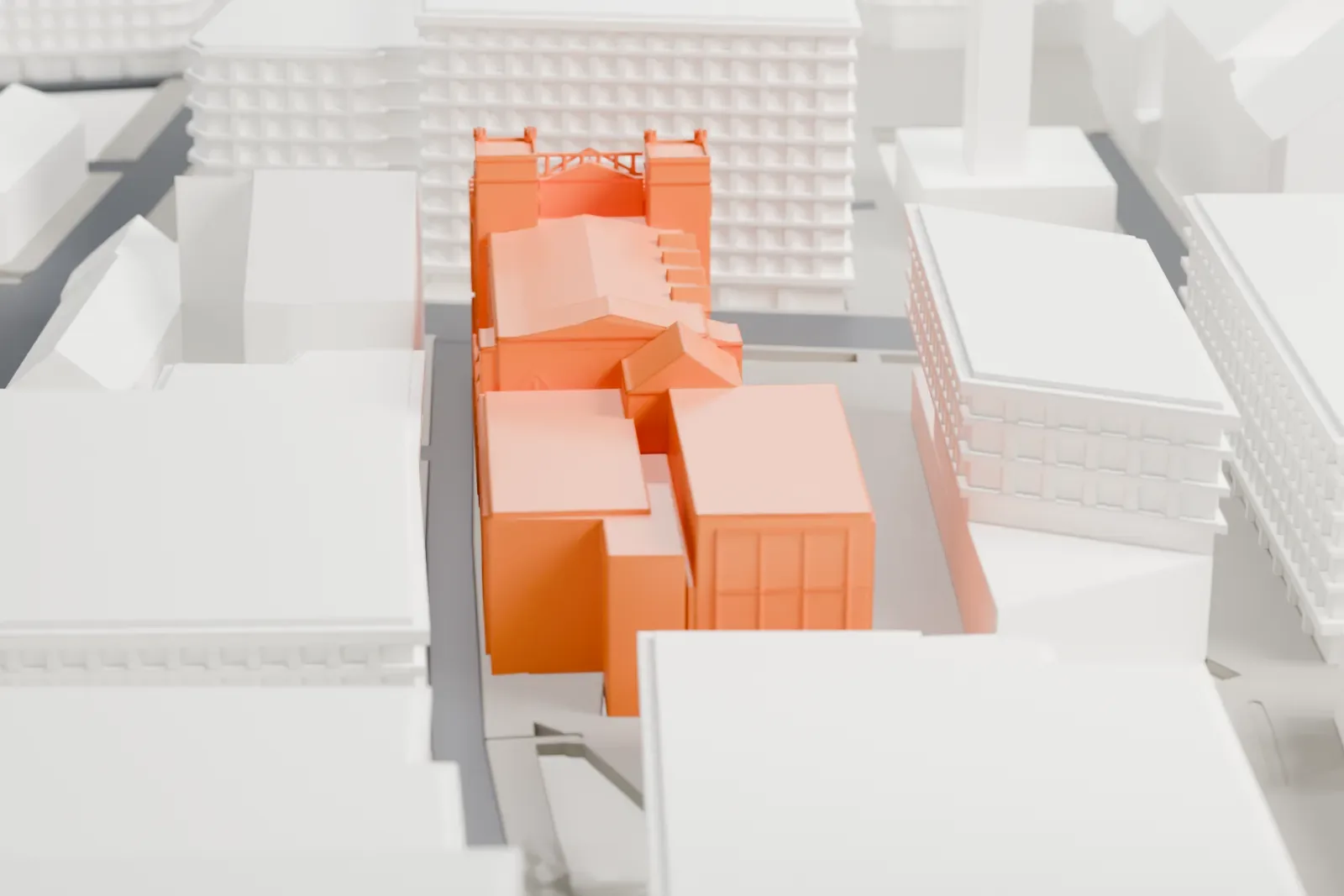
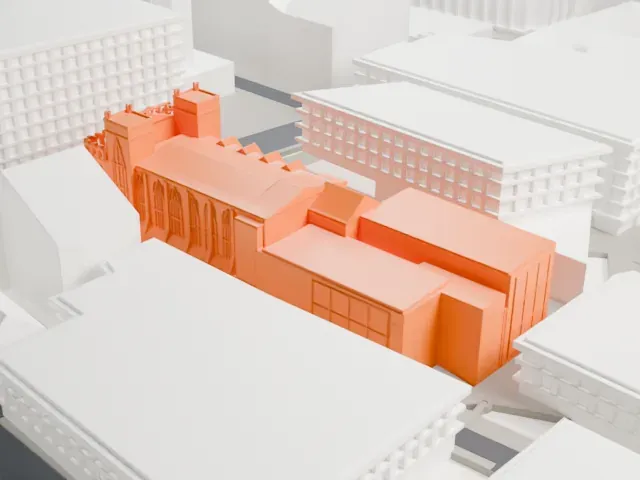 North
-
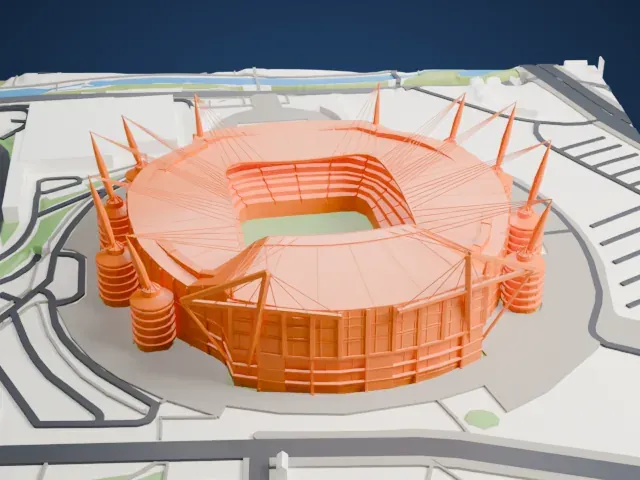
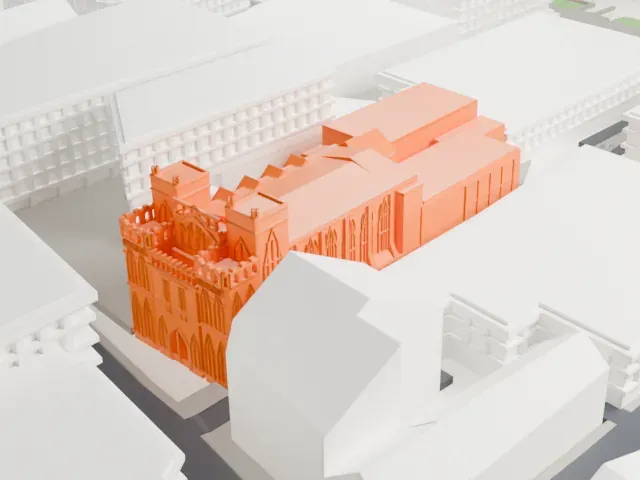 East
-
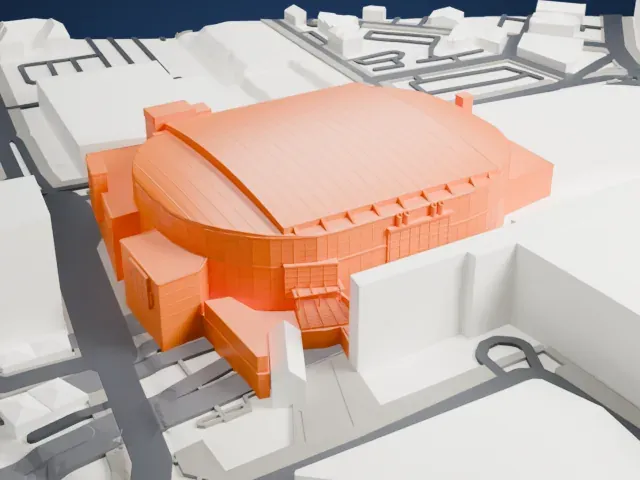
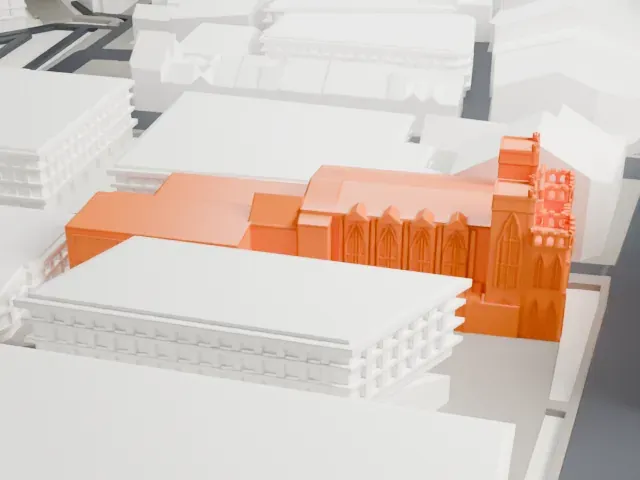 South
-
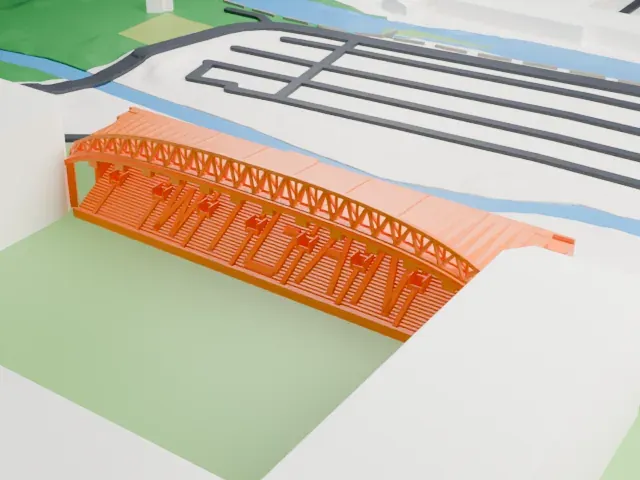
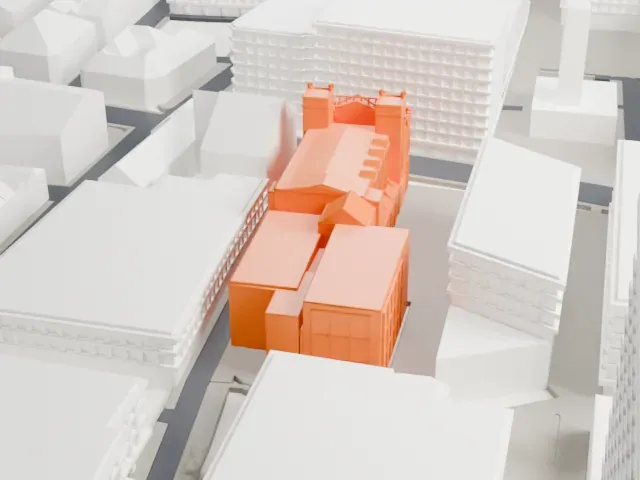 West
The model you print
John Rylands Research Institute and Library in 3D
The landmark on its own, at its size on a 160 mm print. Print friendly thickens thin parts for a 0.4 mm nozzle; Full detail keeps every part.
- On a 160 mm print
- 8 mm
- Scale
- 1:3,750
8 mm tall on a 160 mm print
Make this print opens the generator on a 600 m square around the landmark. Buildings print at close to true scale, so the landmark grows with the print size.
- Fine neo-Gothic detail
A neo-Gothic building has many small ornamental details. Print friendly adapts them at small sizes, while a larger print with Full detail and a 0.12–0.16 mm layer height keeps them crisp.
- One piece with the ground
The John Rylands Research Institute and Library is joined to the ground in the exported file, and the four-side check found no floating parts, so nothing needs gluing.
- Pick the detail for your nozzle
In the Buildings settings, set Landmark detail to Print friendly to adapt thin parts and small details to the print scale. Full detail keeps every modeled feature, for larger prints or a finer nozzle.
- Colors
Buildings, roads, water and ground arrive as separate filament slots in the 3MF. The John Rylands Research Institute and Library takes the building color.
- File format
You get a 3MF for Bambu Studio, OrcaSlicer or PrusaSlicer. Any of them can save it as STL if you need one.
About the John Rylands Research Institute and Library
In Manchester, England, on Deansgate, stands the John Rylands Library, a late-Victorian neo-Gothic building that belongs to the University of Manchester. Enriqueta Augustina Rylands founded it as a memorial to her husband, John Rylands. She bought the Deansgate site in 1889 and commissioned architect Basil Champneys. It welcomed readers and visitors from January 1, 1900, following its inauguration on October 6, 1899.
The building is described as a fine example of Victorian Gothic. It looks like a church, though the idea was a larger-scale Oxford college library. Its architectural style is chiefly neo-Gothic, with Arts and Crafts touches in the ornate, imposing gatehouse that faces Deansgate and dominates the streetscape. It received Grade I listed status in 1994.
The collections include medieval illuminated manuscripts, a Gutenberg Bible, a Mainz Psalter, and the second largest collection of William Caxton's printing. Papyrus P52, kept here, is a contender for the earliest surviving New Testament text. About 40,000 books assembled by the 2nd Earl Spencer formed the collection's core, and Mrs Rylands bought them in 1892.
About this model
The John Rylands Research Institute and Library is one of more than 5,500 landmark models in Mini Skyline. They are made with AI, and each one is checked from four sides in its real surroundings before release. Each model is written as code from public descriptions, plans, photographs and aerial views used only as references; no image or third-party model is copied into it. Everything around it is built from OpenStreetMap and Overture map data. Rights in the building itself, its name and any brands on it are not granted by Mini Skyline; clear them separately before you sell prints. If you would rather print the shape from map data, turn off Landmark models in the Buildings settings.
Same skyline