3D print Kabuki-za
A free, printable model of Kabuki-za and its surroundings, generated from real map data in your browser.
-
 North
-
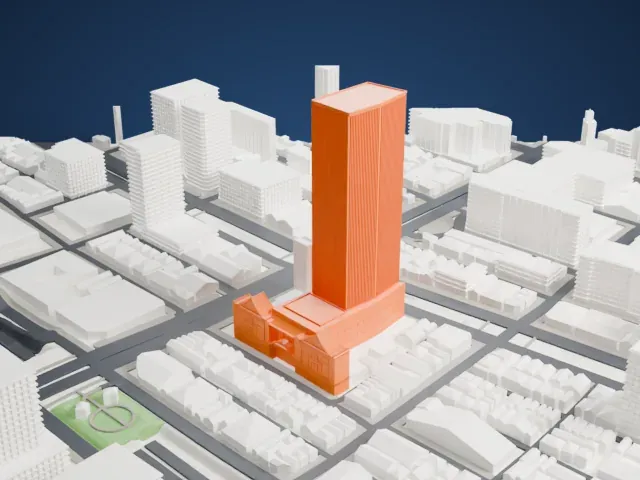 East
-
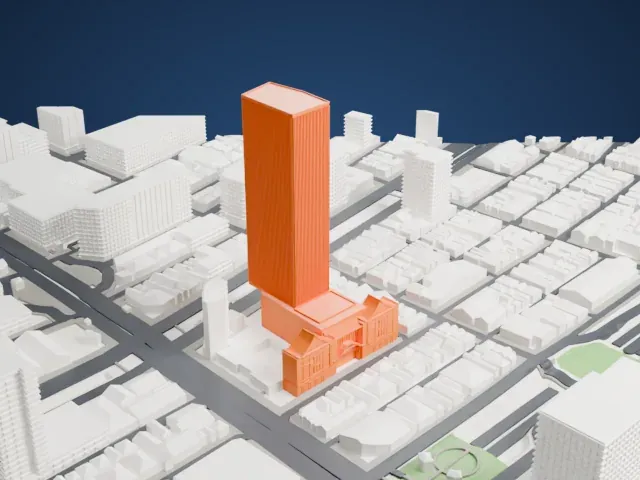 South
-
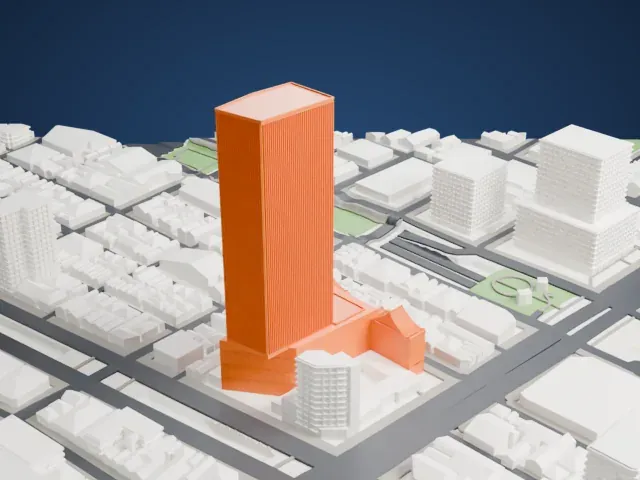 West
The model you print
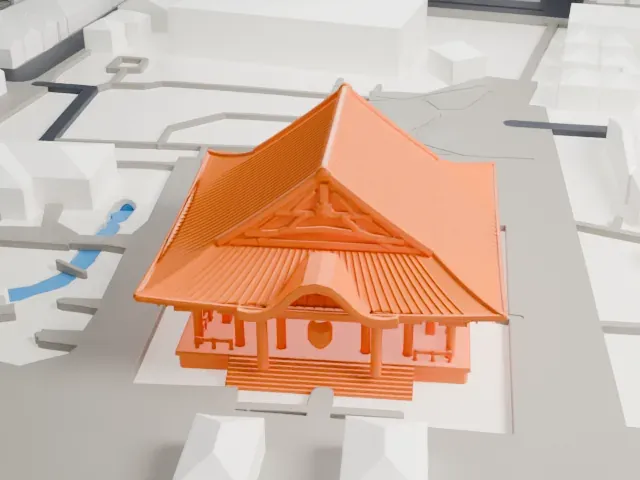
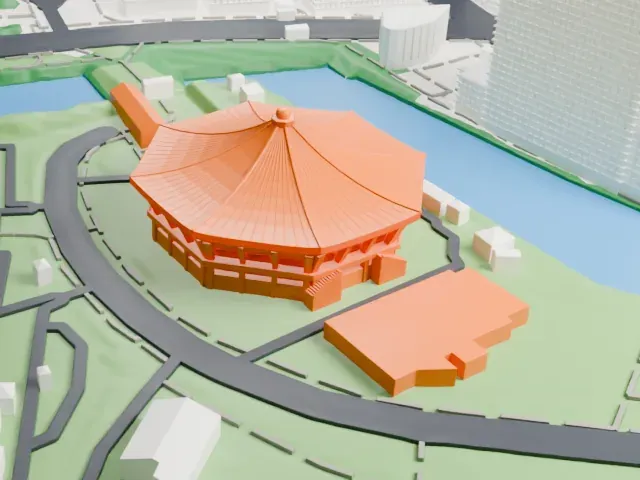
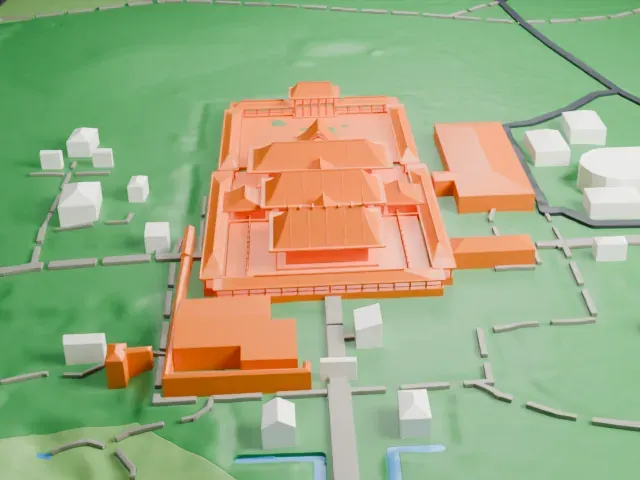
Kabuki-za in 3D
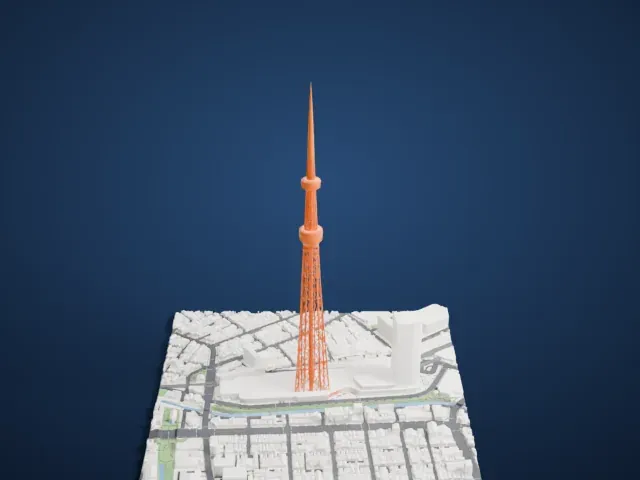
The landmark on its own, at its size on a 160 mm print. Print friendly thickens thin parts for a 0.4 mm nozzle; Full detail keeps every part.
- On a 160 mm print
- 39 mm
- Scale
- 1:3,750
39 mm tall on a 160 mm print
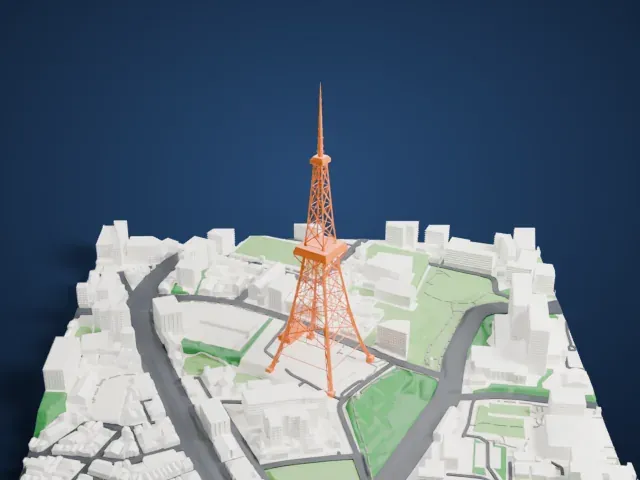
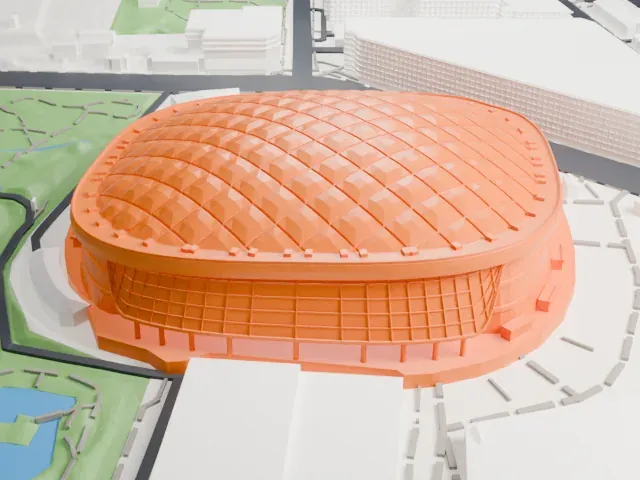
Make this print opens the generator on a 600 m square around the landmark. Buildings print at close to true scale, so the landmark grows with the print size.
- Ornate roofs and eaves
A theater in a castle-and-temple-inspired style can have sweeping roofs and fine ornament. Print larger or choose "Full detail" to keep them; "Print friendly" simplifies thin parts at small sizes.
- One piece with the ground
Kabuki-za is joined to the ground in the exported file, and the four-side check found no floating parts, so nothing needs gluing.
- Pick the detail for your nozzle
In the Buildings settings, set Landmark detail to Print friendly to adapt thin parts and small details to the print scale. Full detail keeps every modeled feature, for larger prints or a finer nozzle.
- Colors
Buildings, roads, water and ground arrive as separate filament slots in the 3MF. Kabuki-za takes the building color.
- File format
You get a 3MF for Bambu Studio, OrcaSlicer or PrusaSlicer. Any of them can save it as STL if you need one.
About Kabuki-za
Kabuki-za, in Ginza, is Tokyo's principal theater for the traditional kabuki drama form. Fukuchi Gen'ichirō, a journalist of the Meiji era, first opened it; he wrote kabuki dramas starring Ichikawa Danjūrō IX and others, and retired from managing the theater when Danjūrō died in 1903. The first Kabuki-za, a wooden building, went up in 1889. The Shochiku Corporation took over its management in 1914.
The building has been lost and rebuilt several times. An electrical fire destroyed it on October 30, 1921. Reconstruction began in 1922, aiming to be fireproof while keeping traditional Japanese architectural styles, with Western building materials and lighting equipment. It burned down again in the 1923 Great Kantō earthquake before it was finished, and rebuilding was completed in 1924. Allied bombing in World War II destroyed it once more, and it was restored in 1950 in the style of the 1924 reconstruction.
The 1950 building came down in spring 2010, and a replacement took shape over the next three years; concerns about earthquakes and accessibility were among the reasons cited. The new theater complex opened on March 28, 2013. The 1924 style was a baroque Japanese revivalist one, meant to evoke the details of Japanese castles and of temples from before the Edo period, and it was kept in both later reconstructions.
About this model
Kabuki-za is one of more than 5,500 landmark models in Mini Skyline. They are made with AI, and each one is checked from four sides in its real surroundings before release. Each model is written as code from public descriptions, plans, photographs and aerial views used only as references; no image or third-party model is copied into it. Everything around it is built from OpenStreetMap and Overture map data. Rights in the building itself, its name and any brands on it are not granted by Mini Skyline; clear them separately before you sell prints. If you would rather print the shape from map data, turn off Landmark models in the Buildings settings.
Same skyline