3D print the Tünel
A free, printable 3D model of the Tünel in Istanbul, with the surrounding streets and buildings, generated from real map data in your browser.
-
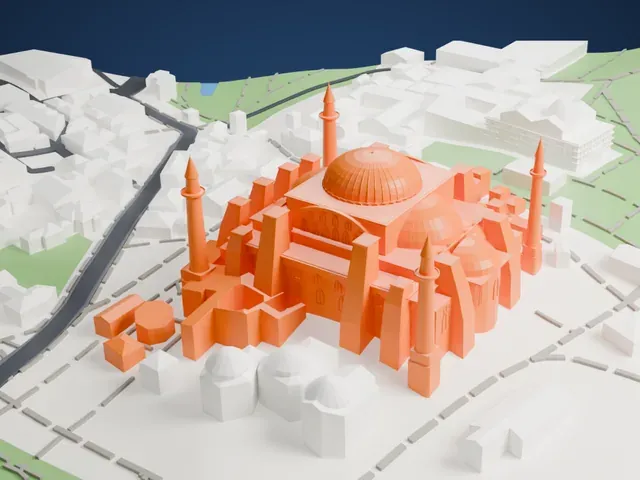
 North
-
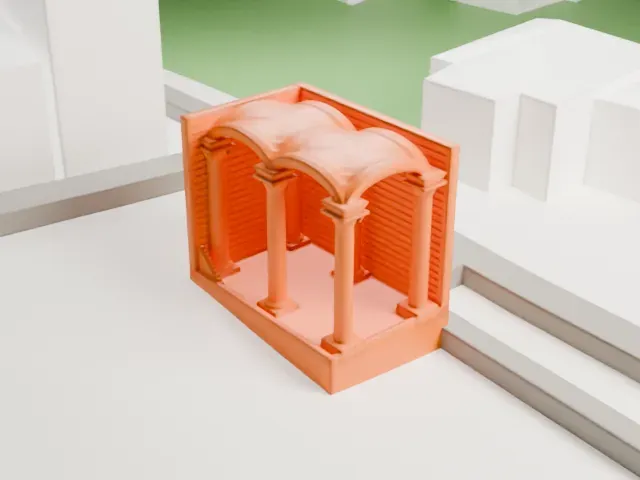
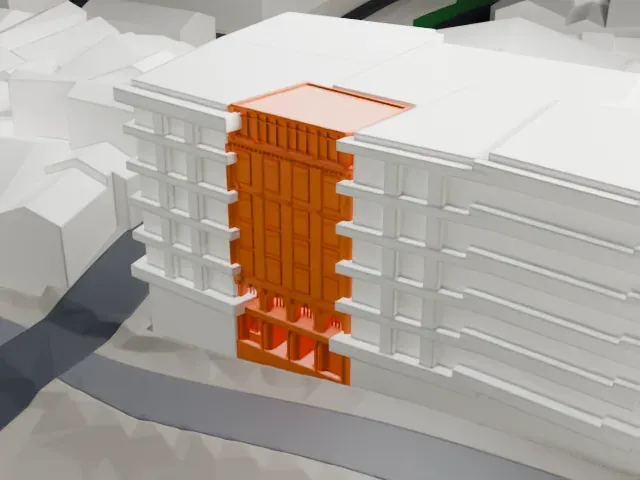 East
-
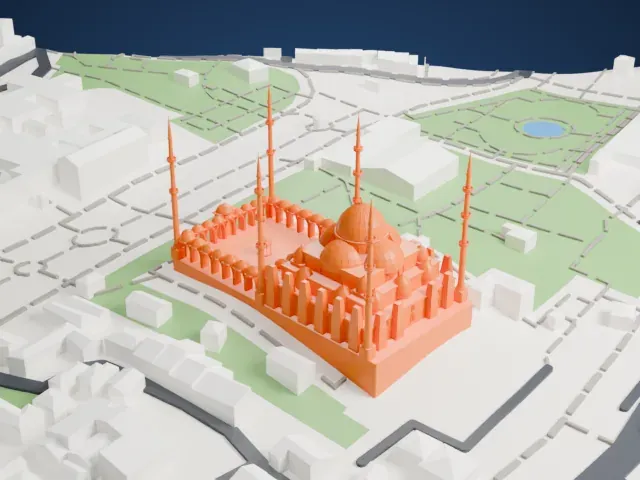
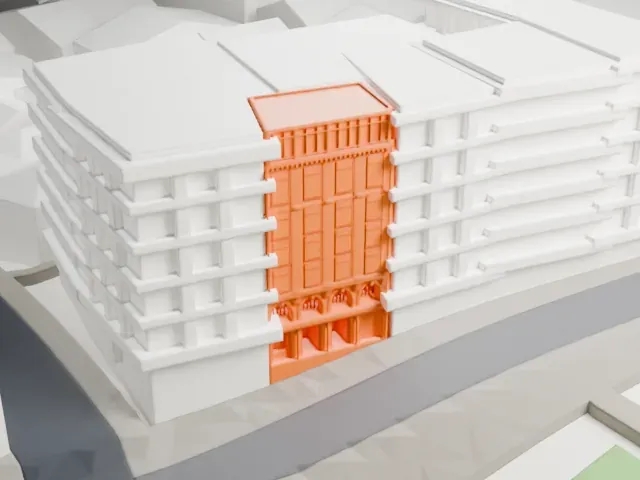 South
-
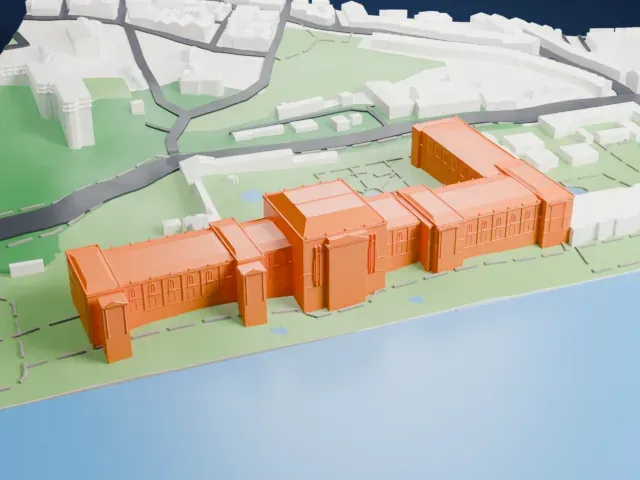
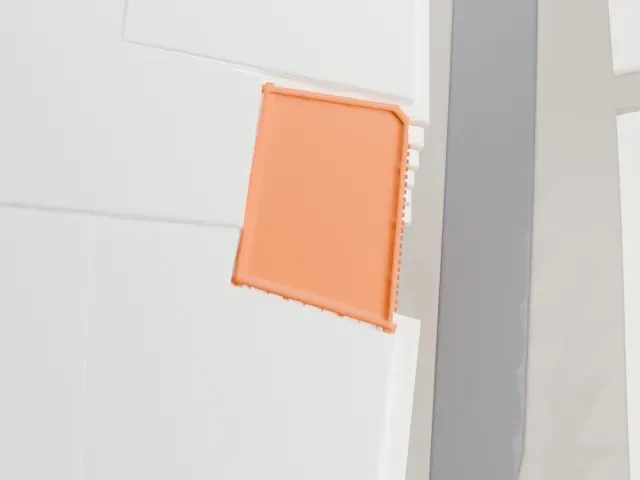 West
The model you print
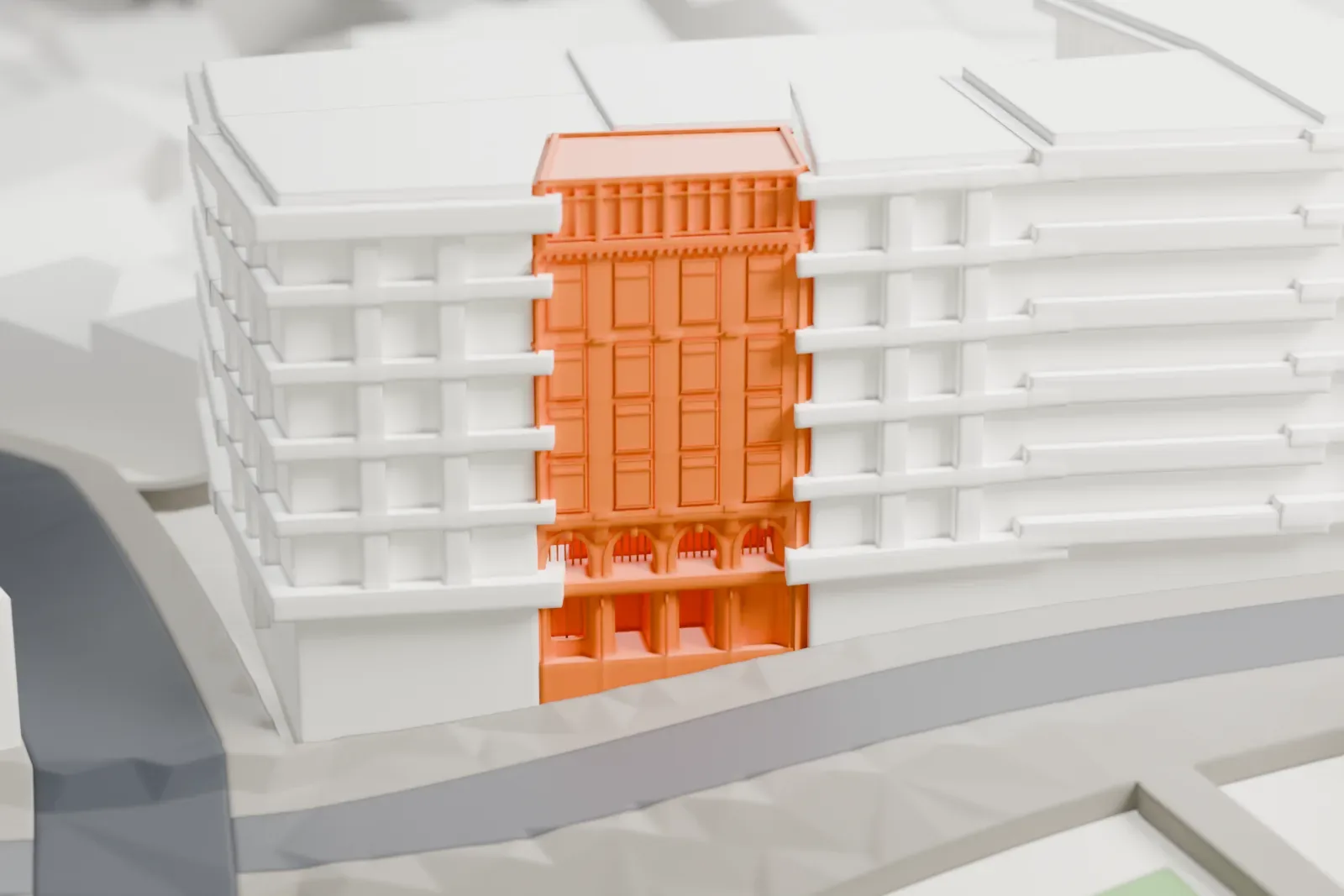
Tünel in 3D
The landmark on its own, at its size on a 160 mm print. Print friendly thickens thin parts for a 0.4 mm nozzle; Full detail keeps every part.
- On a 160 mm print
- 7 mm
- Scale
- 1:3,750
7 mm tall on a 160 mm print
Make this print opens the generator on a 600 m square around the landmark. Buildings print at close to true scale, so the landmark grows with the print size.
- Small surface details
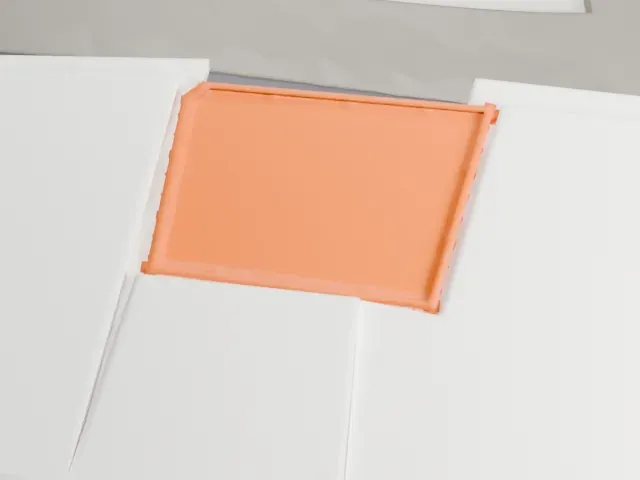
A short underground line leaves little to show above ground. A larger print size keeps small details visible, and Print friendly adapts thin parts to the print scale.
- One piece with the ground
The Tünel is joined to the ground in the exported file, and the four-side check found no floating parts, so nothing needs gluing.
- Pick the detail for your nozzle
In the Buildings settings, set Landmark detail to Print friendly to adapt thin parts and small details to the print scale. Full detail keeps every modeled feature, for larger prints or a finer nozzle.
- Colors
Buildings, roads, water and ground arrive as separate filament slots in the 3MF. The Tünel takes the building color.
- File format
You get a 3MF for Bambu Studio, OrcaSlicer or PrusaSlicer. Any of them can save it as STL if you need one.
About the Tünel
The Tünel is a historic underground funicular line in Istanbul, labeled F2 on the city's transport map. Its two stations connect Karaköy and Beyoğlu, and the line climbs uphill from near where the Golden Horn meets the Bosphorus. It was inaugurated on January 17, 1875. Only the London Underground, opened on January 10, 1863, is older, which makes the Tünel the second-oldest subterranean city railway in the world.
During the nineteenth century's second half, Pera and Galata became the commercial and financial heart of the city, yet gradients between them reached 24%. Around 40,000 people on average walked the main street linking the two districts each day. French engineer Eugène-Henri Gavand visited as a tourist in 1867 and came up with the idea of a funicular. Sultan Abdülaziz granted him a concession on June 10, 1869, and construction began on July 30, 1871.
The line runs through a single brick-lined tunnel that is 6.7 meters (22 ft) wide and 4.9 meters (16 ft) high. The upper station, on Tünel Square where Istiklal Avenue ends in the south, is 61.55 meters (201.9 ft) higher than the lower one at Karaköy. The gradient varies from 2 percent to 15 percent. The modern line is single-track, with a passing loop halfway along.
About this model
The Tünel is one of more than 5,500 landmark models in Mini Skyline. They are made with AI, and each one is checked from four sides in its real surroundings before release. Each model is written as code from public descriptions, plans, photographs and aerial views used only as references; no image or third-party model is copied into it. Everything around it is built from OpenStreetMap and Overture map data. Rights in the building itself, its name and any brands on it are not granted by Mini Skyline; clear them separately before you sell prints. If you would rather print the shape from map data, turn off Landmark models in the Buildings settings.
Same skyline