3D print Akihabara Station
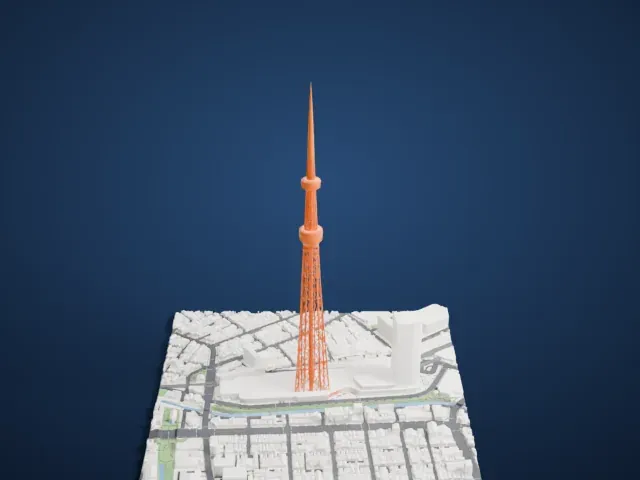
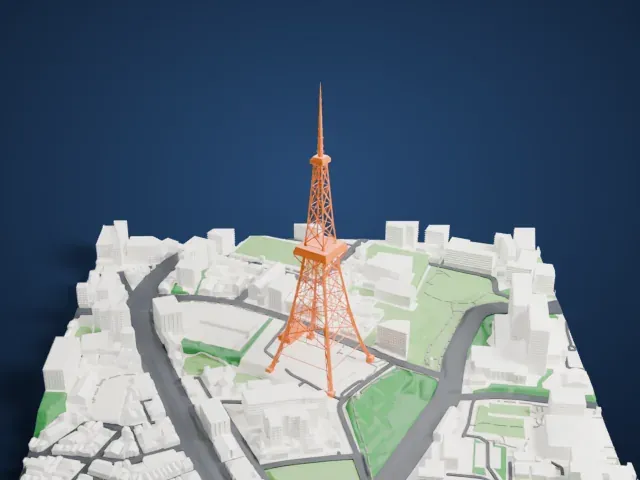
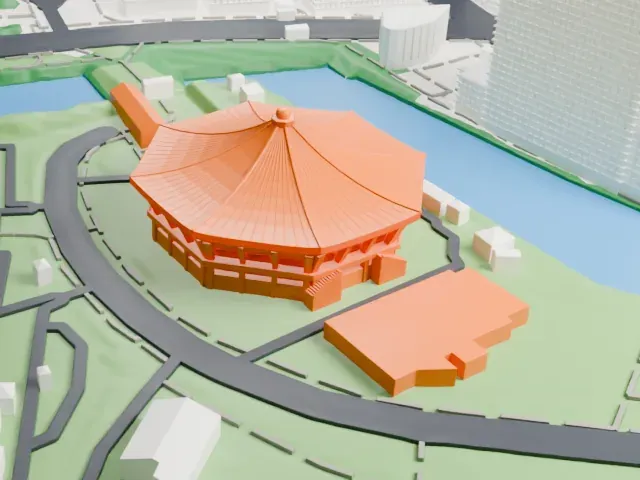
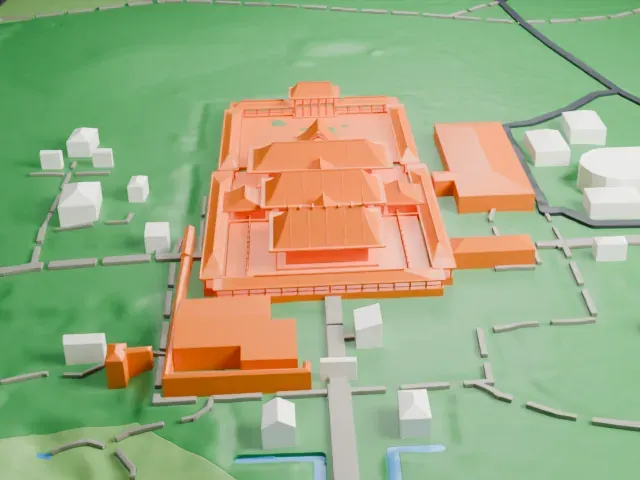
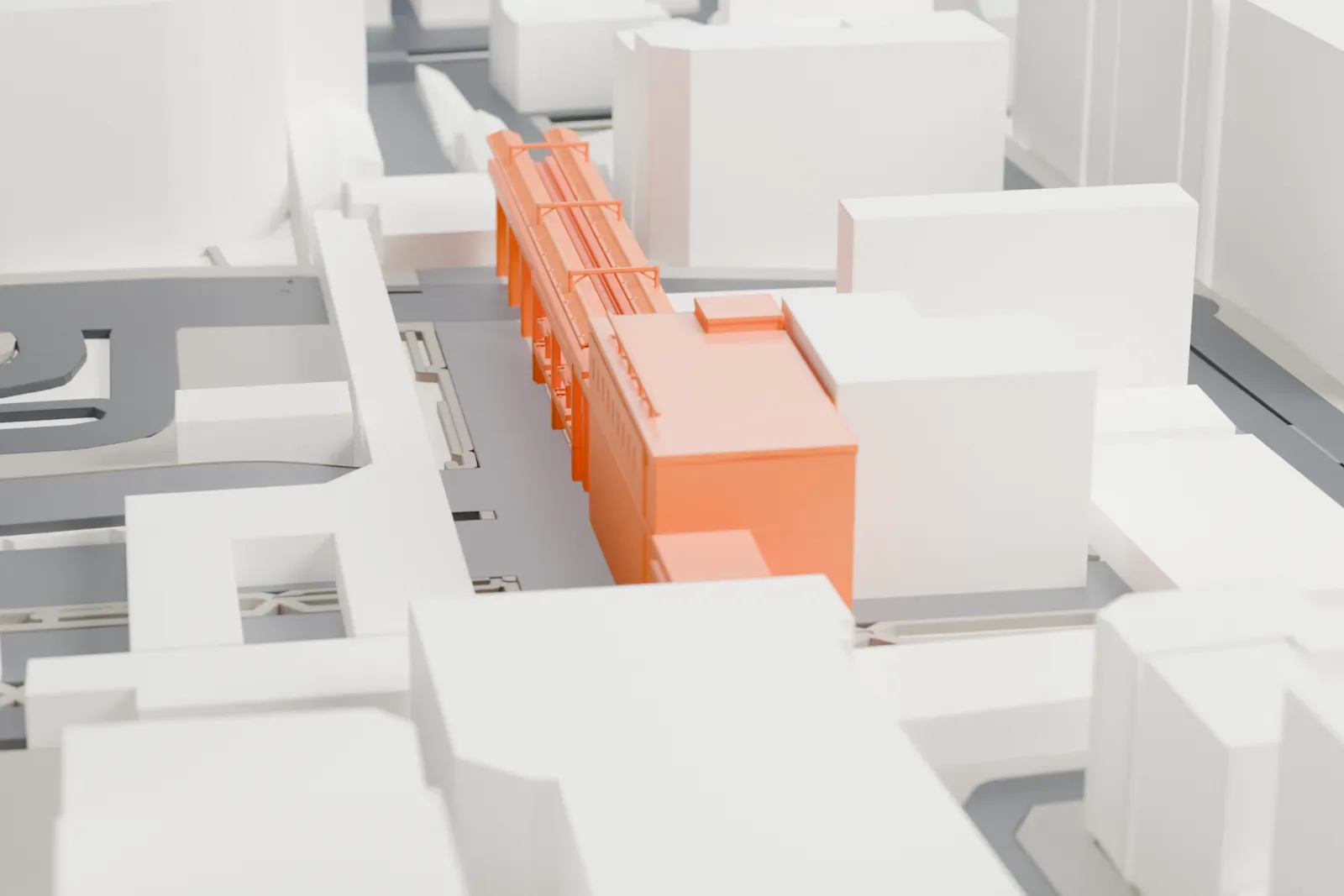
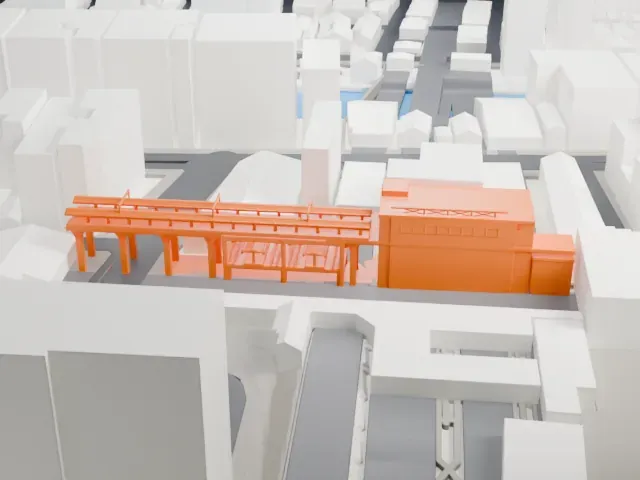
A free, printable model of Akihabara Station, a cross-shaped railway station, among the surrounding city buildings, generated from real map data in your browser.
-
 North
-
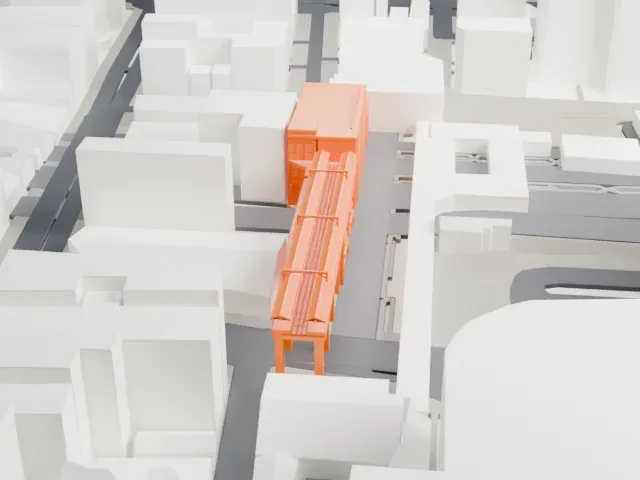 East
-
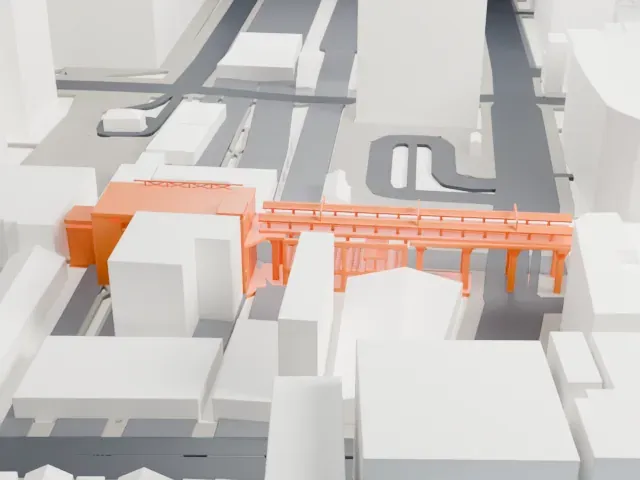 South
-
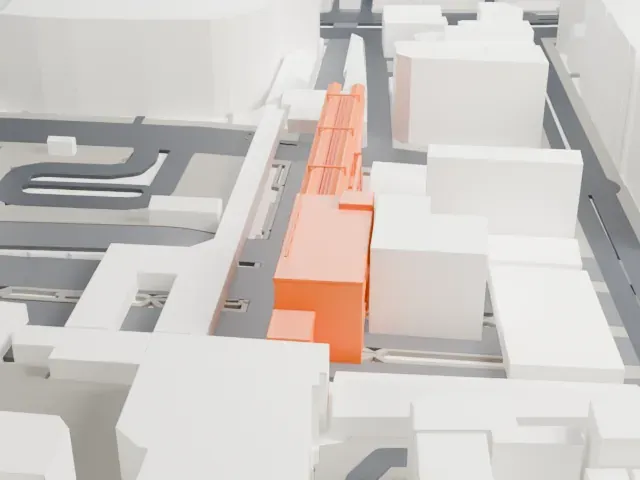 West
- On a 160 mm print
- 7 mm
- Scale
- 1:3,750
7 mm tall on a 160 mm print
Make this print opens the generator on a 600 m square around the landmark. Buildings print at close to true scale, so the landmark grows with the print size.
- Tracks and platforms
A station spreads across low buildings and platforms rather than rising as one tall mass. A larger print helps the rooflines and platform edges read; Print friendly adapts small parts to the print scale.
- One piece with the ground
Akihabara Station is joined to the ground in the exported file, and the four-side check found no floating parts, so nothing needs gluing.
- Pick the detail for your nozzle
In the Buildings settings, set Landmark detail to Print friendly to adapt thin parts and small details to the print scale. Full detail keeps every modeled feature, for larger prints or a finer nozzle.
- Colors
Buildings, roads, water and ground arrive as separate filament slots in the 3MF. Akihabara Station takes the building color.
- File format
You get a 3MF for Bambu Studio, OrcaSlicer or PrusaSlicer. Any of them can save it as STL if you need one.
About Akihabara Station
Akihabara Station is a railway interchange in Chiyoda ward, Tokyo, in the middle of the area's electronics shopping district. JR East lines include the Tōhoku Main Line, the Keihin-Tohoku Line, the Yamanote Line, the Sōbu Main Line and the Chūō-Sōbu Line. The Tokyo Metro Hibiya Line and the Tsukuba Express also serve the station.
The above-ground section is cross-shaped. The Chūō-Sōbu Line tracks run east to west, while the Yamanote and Keihin-Tohoku tracks run north to south. On the second level, two island platforms handle four Yamanote and Keihin-Tohoku tracks; on the fourth, two side platforms serve the Sōbu Line Local. The Tokyo Metro platforms lie underground, two side platforms for two tracks, and the Tsukuba Express has an underground island platform for two tracks.
Freight traffic began at Akihabara in November 1890, on a terminal linked to Ueno Station. Passenger service began in 1925, after the line linking Ueno with Shimbashi through Tokyo Station was built. In 1932 the Sōbu Line reached Ochanomizu, and new upper-level platforms turned Akihabara into a major transfer point for travelers from eastern Tokyo and Chiba Prefecture. The Hibiya Line subway station opened on May 31, 1962, and the underground Tsukuba Express terminus opened on August 24, 2005.
About this model
Akihabara Station is one of more than 4,400 landmark models in Mini Skyline. They are made with AI, and each one is checked from four sides in its real surroundings before release. Everything around it is built from OpenStreetMap and Overture map data. If you would rather print the shape from map data, turn off Landmark models in the Buildings settings.
Same skyline