3D print Chelsea Market
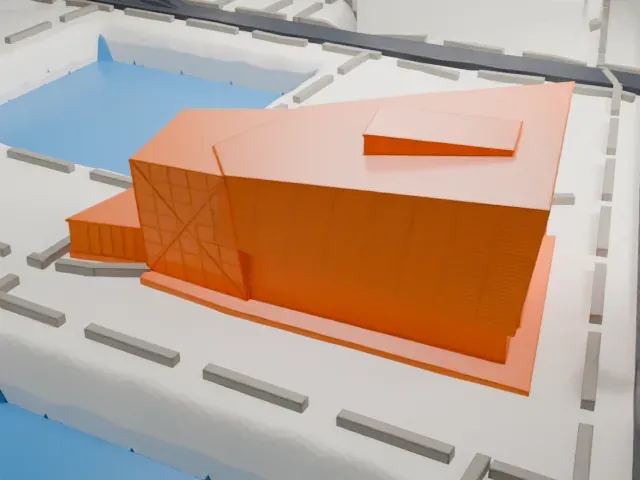
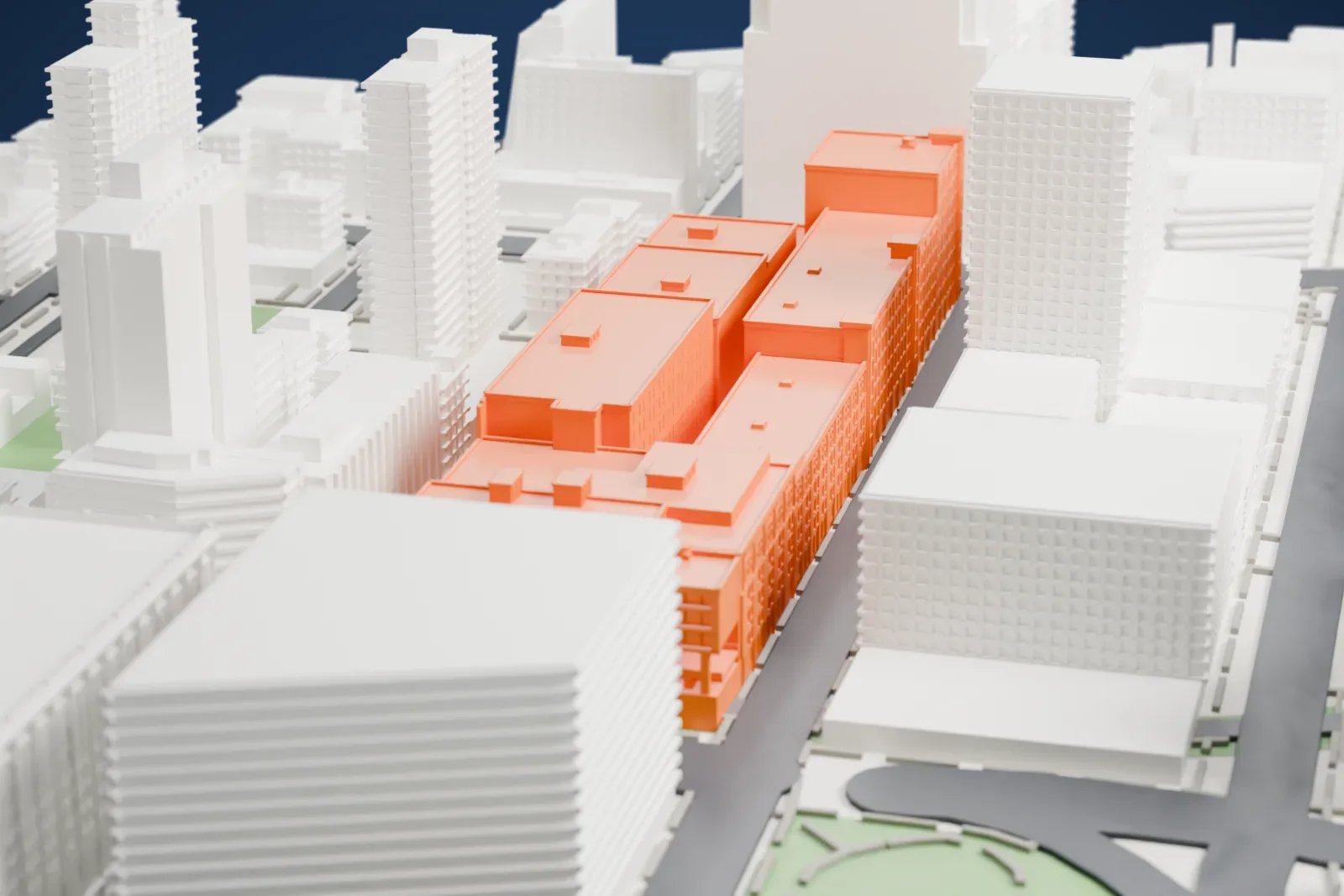
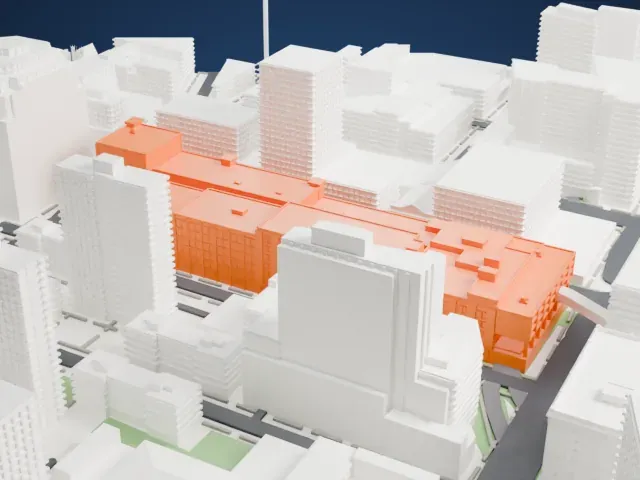
A free, printable model of the long market complex and the Chelsea streets and buildings around it, generated from real map data in your browser.
-
 North
-
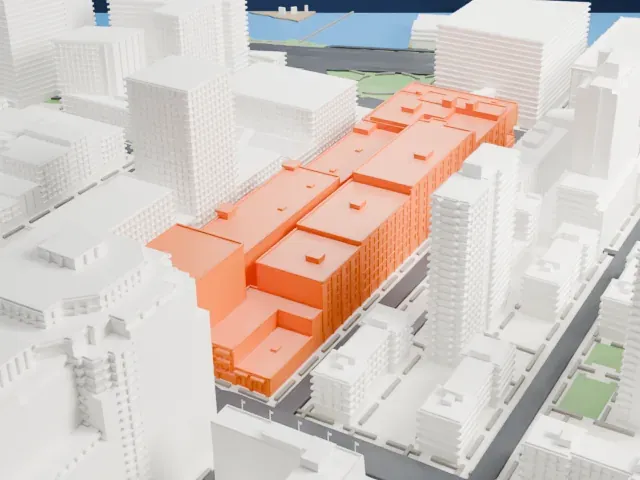 East
-
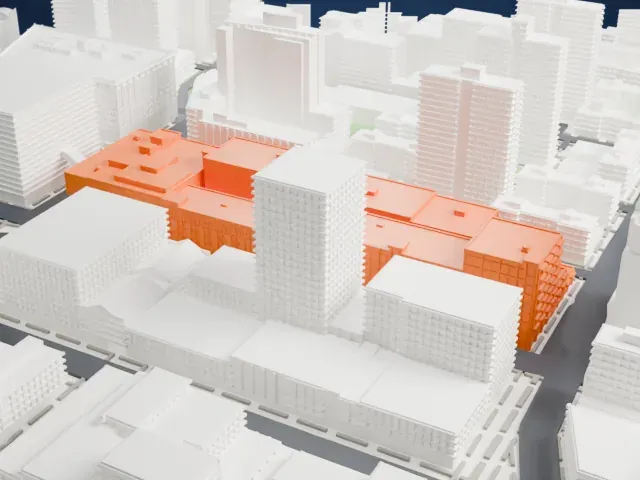 South
-
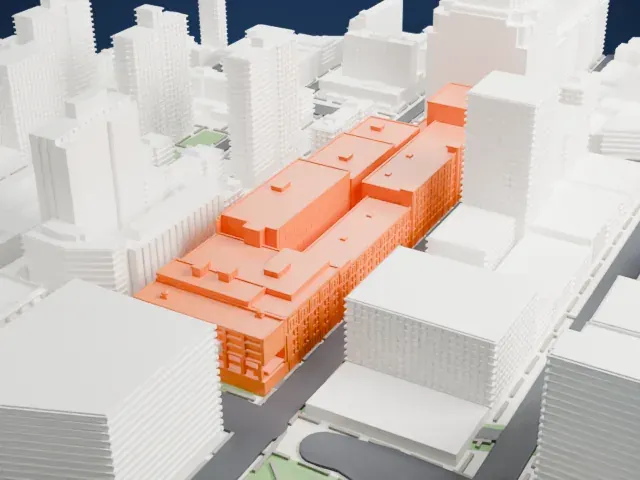 West
- On a 160 mm print
- 12 mm
- Scale
- 1:3,750
12 mm tall on a 160 mm print
Make this print opens the generator on a 600 m square around the landmark. Buildings print at close to true scale, so the landmark grows with the print size.
- Many joined roofs
The complex is a long chain of joined buildings with many small rooftop structures. Print friendly adapts the smallest of them to the print scale; Full detail keeps them all on a larger print.
- One piece with the ground
Chelsea Market is joined to the ground in the exported file, and the four-side check found no floating parts, so nothing needs gluing.
- Pick the detail for your nozzle
In the Buildings settings, set Landmark detail to Print friendly to adapt thin parts and small details to the print scale. Full detail keeps every modeled feature, for larger prints or a finer nozzle.
- Colors
Buildings, roads, water and ground arrive as separate filament slots in the 3MF. Chelsea Market takes the building color.
- File format
You get a 3MF for Bambu Studio, OrcaSlicer or PrusaSlicer. Any of them can save it as STL if you need one.
About Chelsea Market
Chelsea Market combines a food hall, shopping arcade, offices and a television production facility in Manhattan's Chelsea neighborhood. The complex takes up an entire block between 15th and 16th Streets, running from Ninth Avenue to Tenth, with a bridge across Tenth Avenue linking it to 85 Tenth Avenue next door. The High Line runs through the Tenth Avenue side.
Construction dates from the 1890s, when the site was the factory complex where the National Biscuit Company (Nabisco) invented and produced the Oreo cookie. Nabisco kept adding to the facilities until it moved to the suburbs in 1958. In its final form the site had 19 separate structures filling the whole block. Most of the original buildings are heavy timber with brick facades, from the firm Romeyn & Stever.
The 1990s brought a redevelopment that created a retail concourse at street level with offices above. The concourse joins the old back lots of the separate buildings and has entries on Ninth and Tenth Avenues. The Tenth Avenue building is a later structure from the 1930s, designed by Nabisco's architect Louis Wirsching Jr. It sits inside the Gansevoort Market Historic District.
About this model
Chelsea Market is one of more than 4,300 landmark models in Mini Skyline. They are made with AI, and each one is checked from four sides in its real surroundings before release. Everything around it is built from OpenStreetMap and Overture map data. If you would rather print the shape from map data, turn off Landmark models in the Buildings settings.
Same skyline