3D print the Historical Museum of Sughd
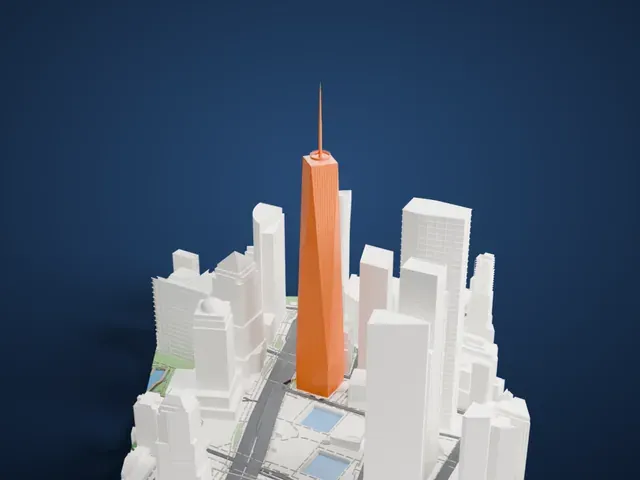
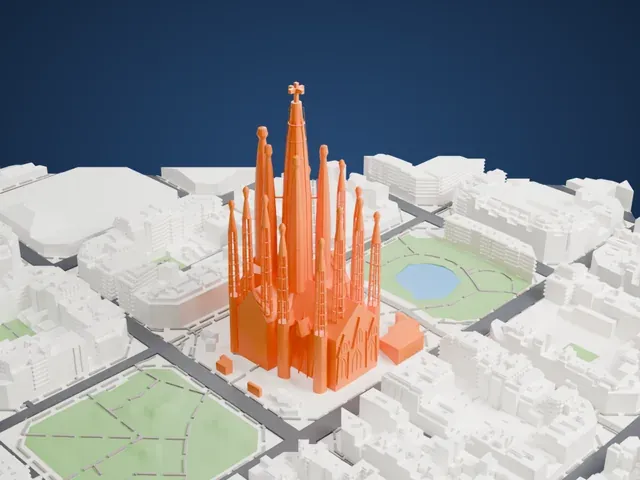
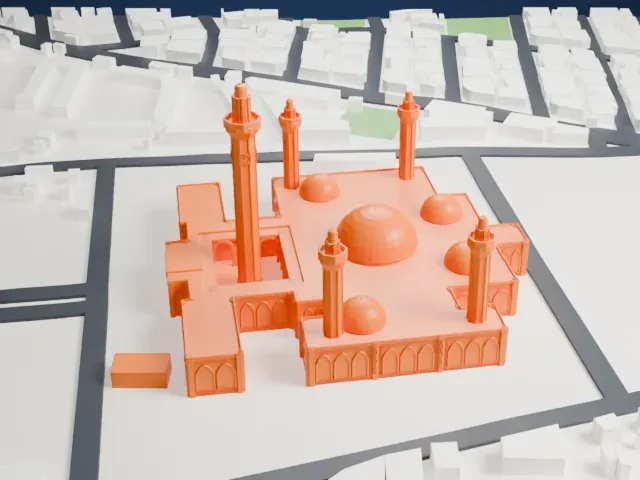
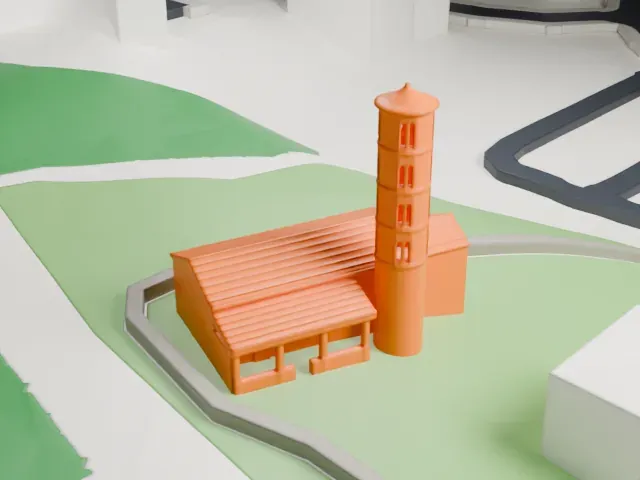
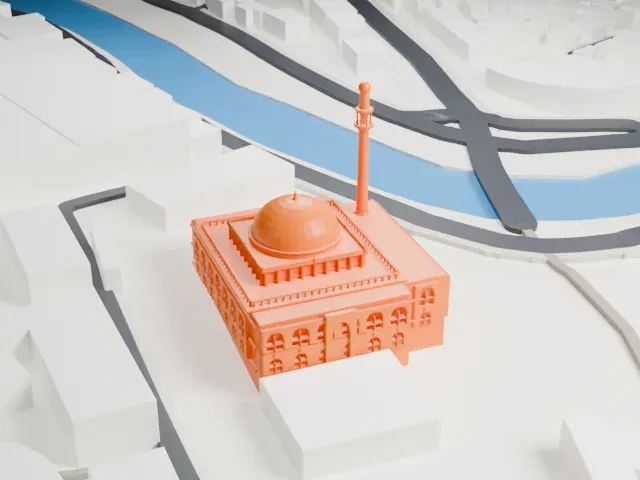
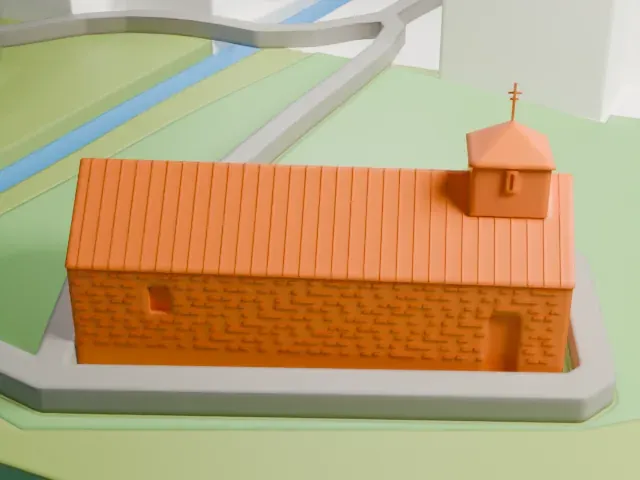
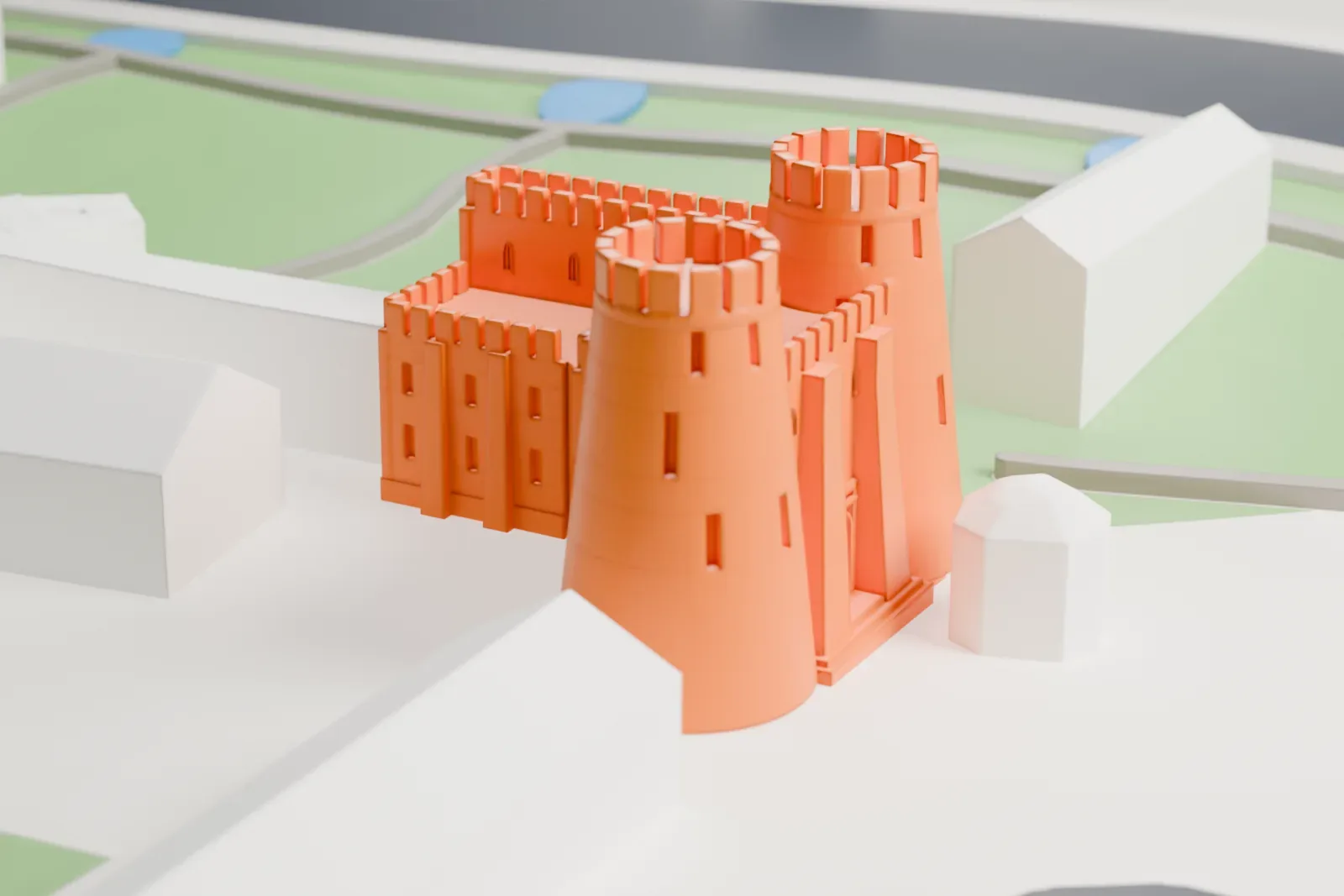
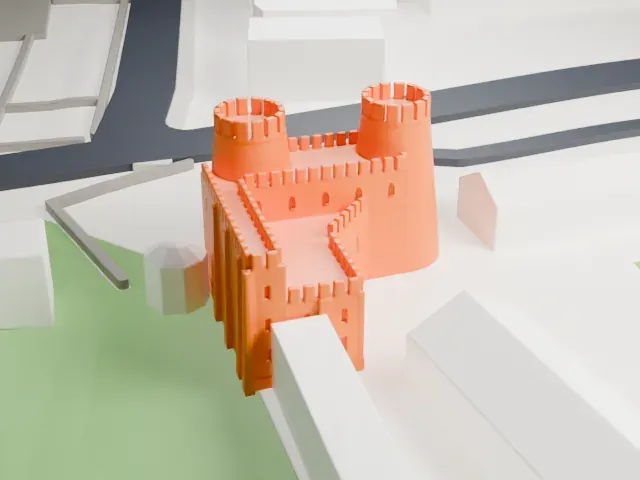
A free, printable model of the Historical Museum of Sughd, shown as a crenellated fortress with two round towers, and the grass, paths and buildings around it, generated from real map data in your browser.
-
 North
-
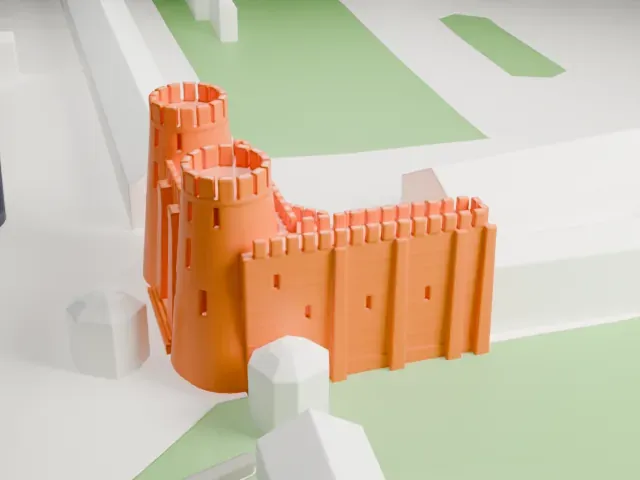 East
-
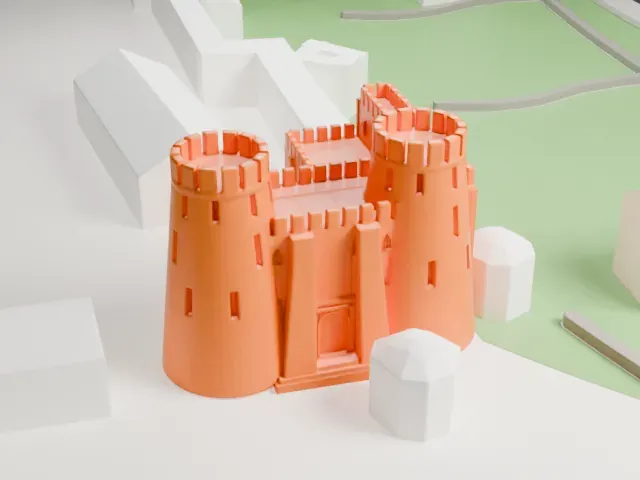 South
-
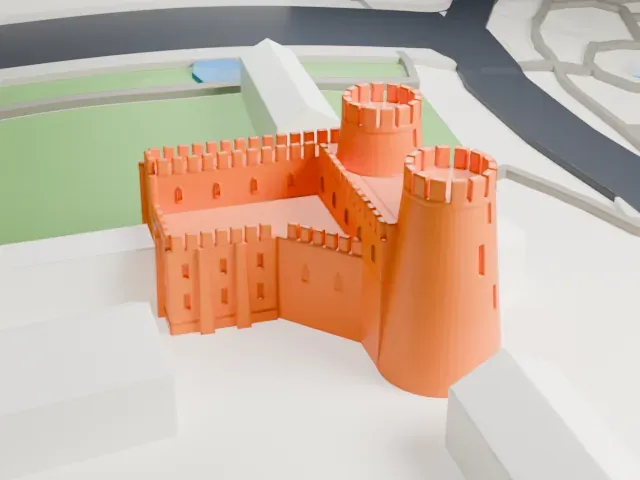 West
The model you print
Historical Museum of Sughd in 3D
The landmark on its own, at its size on a 160 mm print. Print friendly thickens thin parts for a 0.4 mm nozzle; Full detail keeps every part.
- On a 160 mm print
- 6 mm
- Scale
- 1:3,750
6 mm tall on a 160 mm print
Make this print opens the generator on a 600 m square around the landmark. Buildings print at close to true scale, so the landmark grows with the print size.
- Battlements on towers and walls
Both tapering round towers and the long walls carry rows of small battlements. Use Full detail on larger prints to keep them, or Print friendly on small prints, with 0.12–0.16 mm layers.
- One piece with the ground
The Historical Museum of Sughd is joined to the ground in the exported file, and the four-side check found no floating parts, so nothing needs gluing.
- Pick the detail for your nozzle
In the Buildings settings, set Landmark detail to Print friendly to adapt thin parts and small details to the print scale. Full detail keeps every modeled feature, for larger prints or a finer nozzle.
- Colors
Buildings, roads, water and ground arrive as separate filament slots in the 3MF. The Historical Museum of Sughd takes the building color.
- File format
You get a 3MF for Bambu Studio, OrcaSlicer or PrusaSlicer. Any of them can save it as STL if you need one.
About the Historical Museum of Sughd
The Historical Museum of Sughd tells the history of the region from Khujand, Tajikistan's second-largest city and the capital of its northernmost province, Sughd. It is housed within the Khujand Fortress, which overlooks the Syr Darya (called the Jaxartes in antiquity). The museum opened on November 29, 1986, during events marking the 2500th anniversary of the city, which is thought to have started life as Cyropolis.
The fortress was first constructed in the 7th century and destroyed in the 12th century. Its rebuilding came late in the 20th century. A section of the exhibition covers the fortress's own history, since it has been destroyed and rebuilt more than once.
The museum is counted among the 10 largest museums in the country, and its collections hold more than 15,000 items. They range from prehistoric dioramas to handwoven rugs, embroidery, pottery and costumes. Modern marble mosaics show the life of Alexander of Macedon, and a statue shows Timur Malik, who resisted the Mongol invasion of 1219 and 1220.
About this model
The Historical Museum of Sughd is one of more than 6,500 landmark models in Mini Skyline. They are made with AI, and each one is checked in its real surroundings before release. Each model is written as code from public descriptions, plans, photographs and aerial views used only as references; no image or third-party model is copied into it. Everything around it is built from OpenStreetMap and Overture map data. Rights in the building itself, its name and any brands on it are not granted by Mini Skyline; clear them separately before you sell prints. If you would rather print the shape from map data, turn off Landmark models in the Buildings settings.
Mini Skyline is not affiliated with, or endorsed by, the owners of this building or its names and marks.
Keep exploring