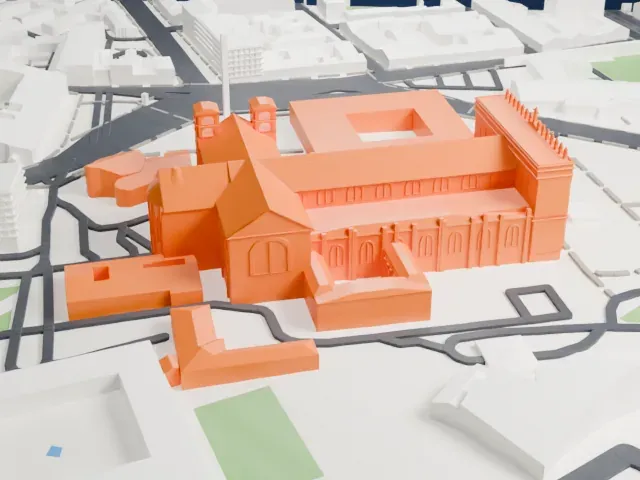
3D print Santi Giovanni e Paolo al Celio
A free, printable model of Santi Giovanni e Paolo al Celio, with the surrounding streets and buildings, generated from real map data in your browser.
-
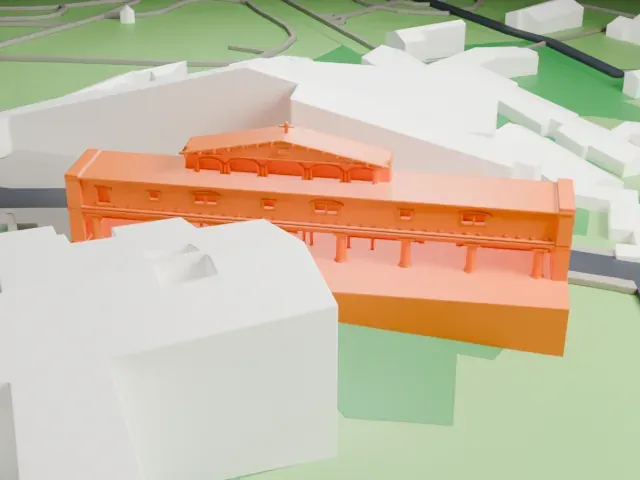 North
-
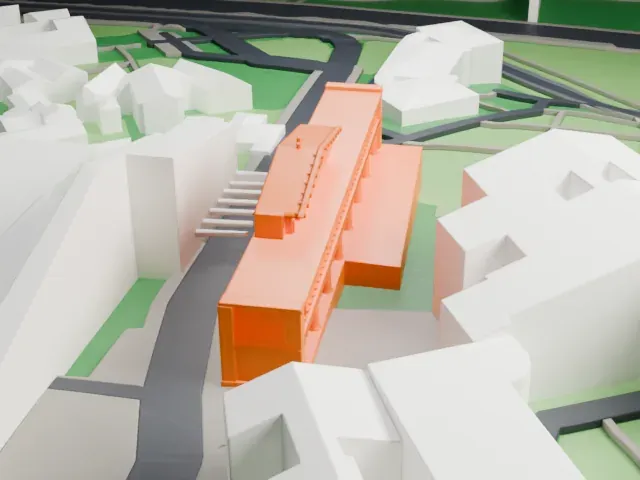 East
-
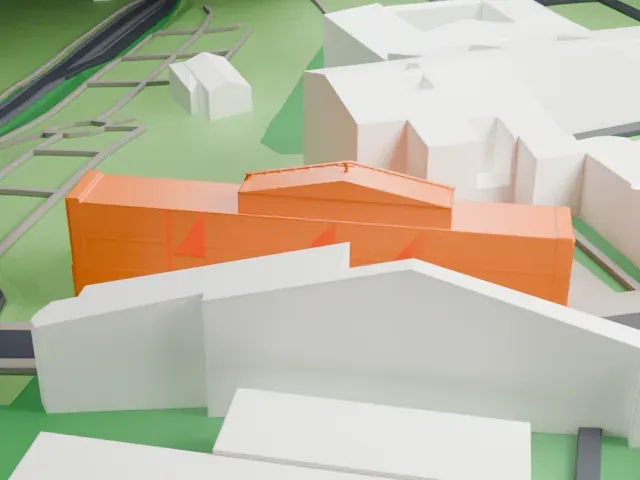 South
-
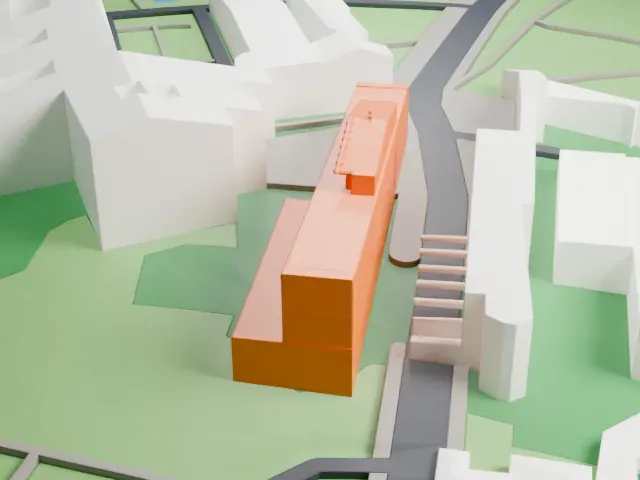 West
- On a 160 mm print
- 8 mm
- Scale
- 1:3,750
8 mm tall on a 160 mm print
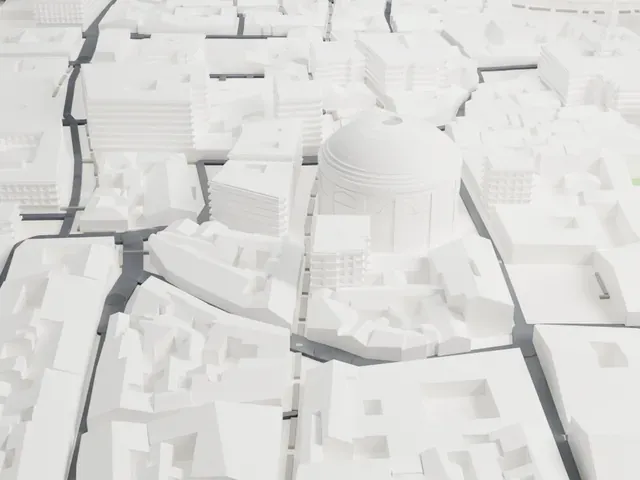
Make this print opens the generator on a 600 m square around the landmark. Buildings print at close to true scale, so the landmark grows with the print size.
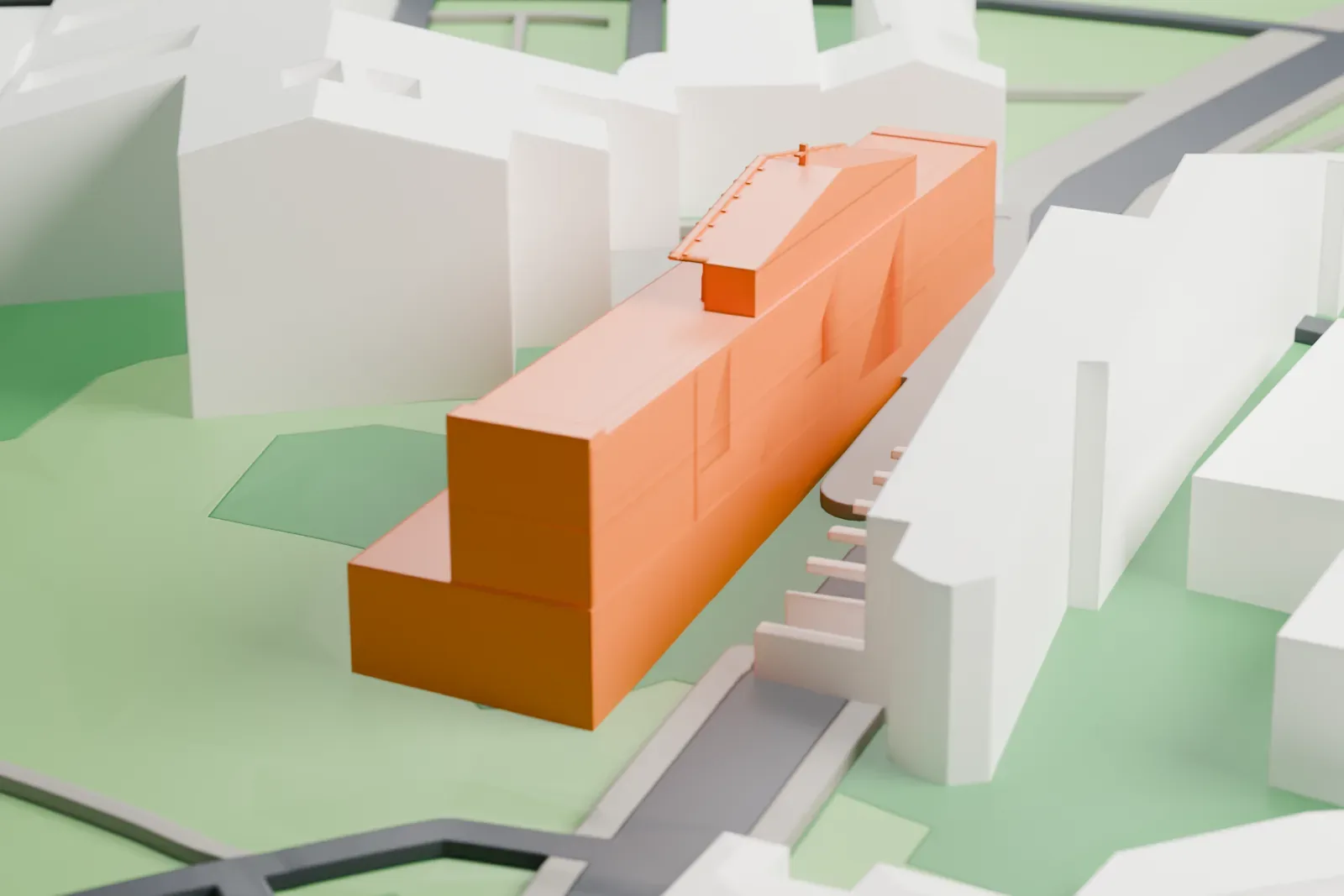
- Long, narrow church block
The model is a long, narrow block, so its long roof edge and wall tops soften first at small sizes. A larger print keeps the outline crisp, and 0.12–0.16 mm layers hold the straight edges.
- One piece with the ground
Santi Giovanni e Paolo al Celio is joined to the ground in the exported file, and the four-side check found no floating parts, so nothing needs gluing.
- Pick the detail for your nozzle
In the Buildings settings, set Landmark detail to Print friendly to adapt thin parts and small details to the print scale. Full detail keeps every modeled feature, for larger prints or a finer nozzle.
- Colors
Buildings, roads, water and ground arrive as separate filament slots in the 3MF. Santi Giovanni e Paolo al Celio takes the building color.
- File format
You get a 3MF for Bambu Studio, OrcaSlicer or PrusaSlicer. Any of them can save it as STL if you need one.
About Santi Giovanni e Paolo al Celio
The basilica of Santi Giovanni e Paolo al Celio stands on Rome's Caelian Hill. It is an ancient church, first built in 398. The senator Pammachius built it on the site where two Roman soldiers, John and Paul, had lived; they were martyred under Emperor Julian in 362, and the church took the name Titulus Pammachii. It is recorded under that name in the acts of a synod that Pope Symmachus held in 499. The church is home to the Passionists, and St. Paul of the Cross is buried there.
The church was damaged in the sack by Alaric I in 410 and by an earthquake in 442, restored by Pope Paschal I in 824, and sacked again by the Normans in 1084. A later restoration around 1099 added a monastery and a bell tower. Inside, the church has three naves; its pillars are joined to the original columns, and the altar stands over a bath that contains the two martyrs' remains. The apse has a fresco of Christ in Glory from 1588 by Cristoforo Roncalli.
Excavations in the nineteenth century uncovered Roman rooms beneath the nave, some from the first and fourth centuries AD. In 1887 Father Germano da San Stanislao, then rector, found twenty decorated rooms from at least five buildings dated between the first and fourth centuries, part of a well-preserved Roman residential complex. One account describes the rooms as part of a vivarium, with a low vaulted passage said to connect it with the Colosseum.
About this model
Santi Giovanni e Paolo al Celio is one of more than 4,400 landmark models in Mini Skyline. They are made with AI, and each one is checked from four sides in its real surroundings before release. Everything around it is built from OpenStreetMap and Overture map data. If you would rather print the shape from map data, turn off Landmark models in the Buildings settings.
Same skyline