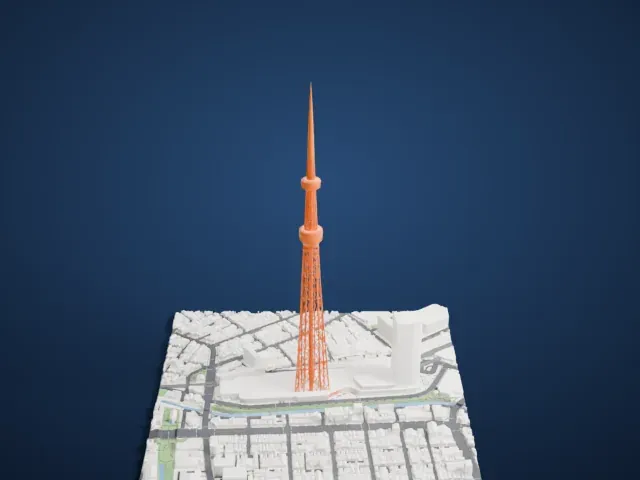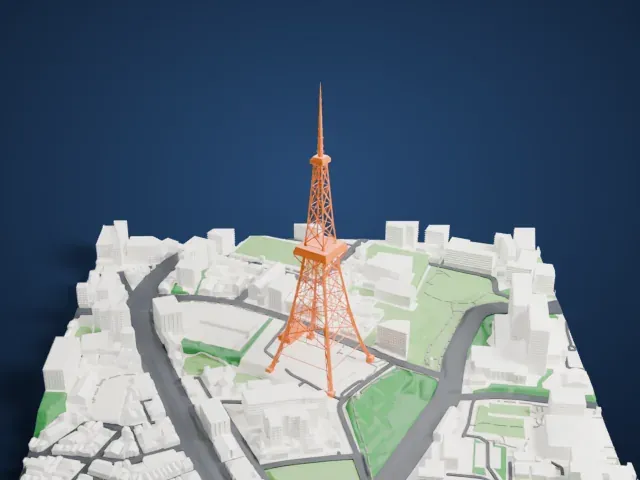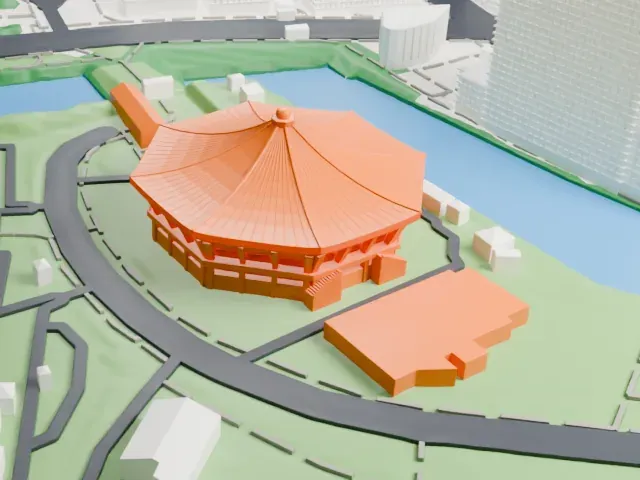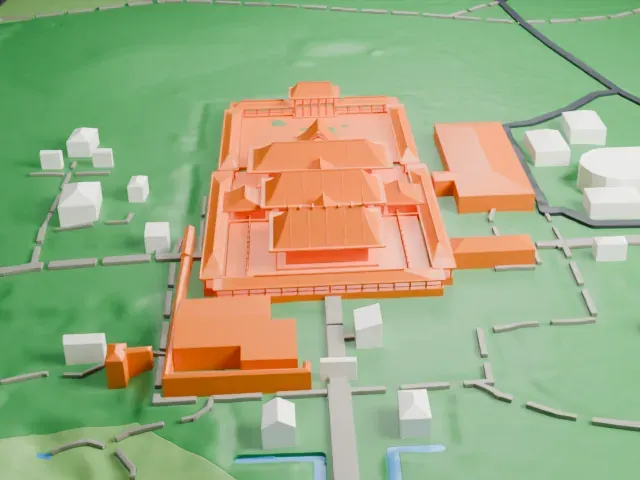
3D print Shibuya Station
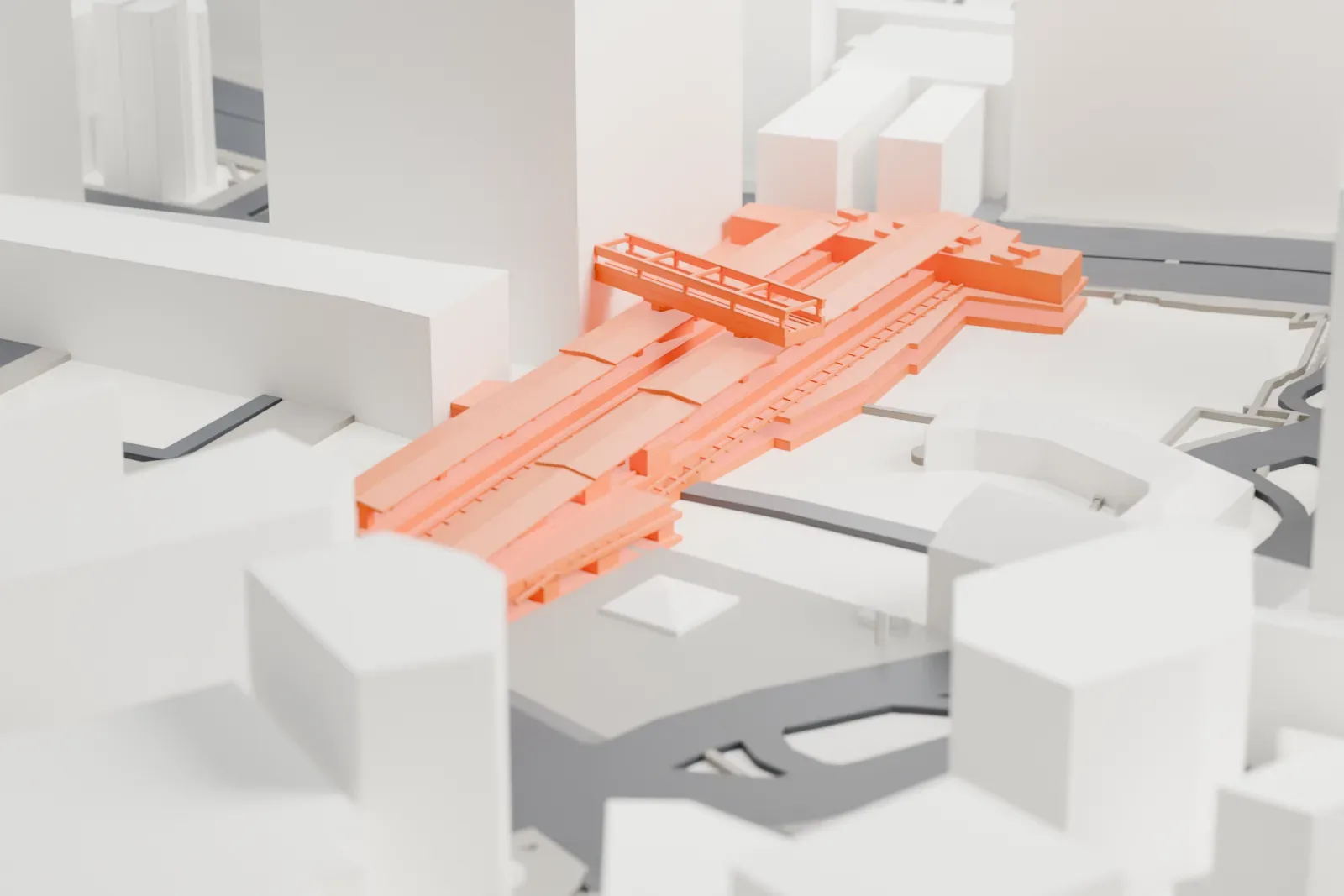
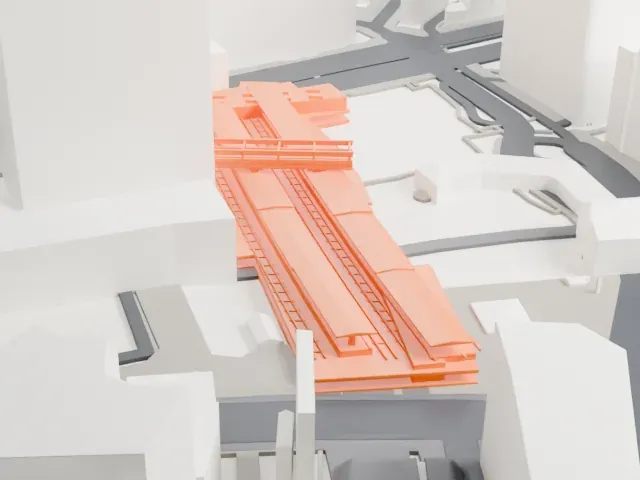
A free, printable model of Shibuya Station, a wide low station building surrounded by dense city blocks and streets, generated from real map data in your browser.
-
 North
-
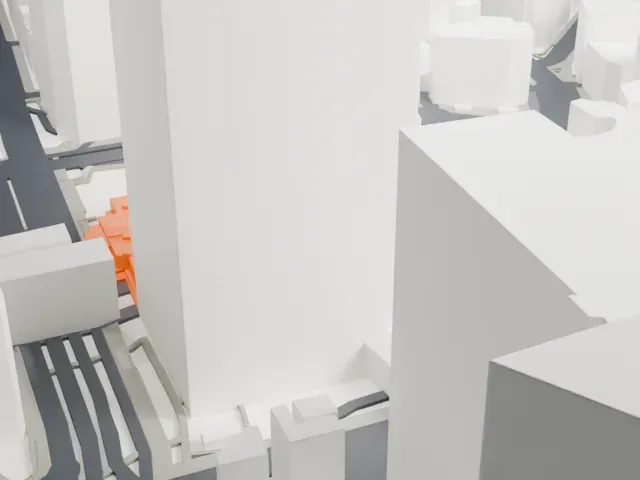 East
-
 South
-
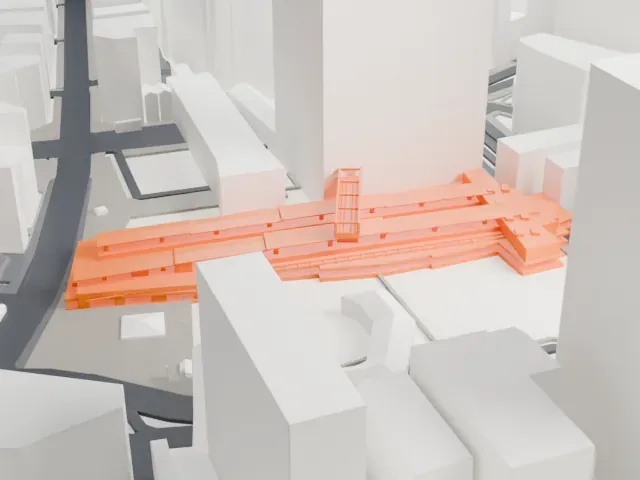 West
- On a 160 mm print
- 6 mm
- Scale
- 1:3,750
6 mm tall on a 160 mm print
Make this print opens the generator on a 600 m square around the landmark. Buildings print at close to true scale, so the landmark grows with the print size.
- A wide, low complex
The station spreads sideways rather than upward, so the model stays low and wide. A larger print gives its long front and its entrances more room to read.
- Layers for a long roof
Long straight roofs show layer stepping across their whole length. Layers of 0.12–0.16 mm and Print friendly keep the upper edges clean on a small print.
- One piece with the ground
Shibuya Station is joined to the ground in the exported file, and the four-side check found no floating parts, so nothing needs gluing.
- Pick the detail for your nozzle
In the Buildings settings, set Landmark detail to Print friendly to adapt thin parts and small details to the print scale. Full detail keeps every modeled feature, for larger prints or a finer nozzle.
- Colors
Buildings, roads, water and ground arrive as separate filament slots in the 3MF. Shibuya Station takes the building color.
- File format
You get a 3MF for Bambu Studio, OrcaSlicer or PrusaSlicer. Any of them can save it as STL if you need one.
About Shibuya Station
Shibuya Station is one of Tokyo's major railway stations, in the Shibuya district. Keio Corporation, Tokyu Corporation, Tokyo Metro and East Japan Railway Company (JR East) run it. Six railway lines terminate here, five of them worked by Tokyo Metro and Tokyu. The station carries a large share of commuter traffic between central Tokyo and the suburbs to the south and west.
The station opened on March 1, 1885, when the Nippon Railway put a stop on its Shinagawa Line, forerunner of the present-day Yamanote Line. In its first years it saw little use: only 16 or 17 passengers a day on average, on a single track, with two-car trains making three return trips. The station building was later rebuilt with a clock tower. More lines arrived over the following decades: the Toyoko Line in 1927, the Inokashira Line in 1933 and the Ginza Line in 1938.
Inside the complex, the Ginza Line platforms occupy the station building's third floor, and the JR lines run north to south on the second. The northwest Hachikō Exit, named for the statue of the dog Hachikō beside it, opens beside Shibuya's famous scramble crossing. Tarō Okamoto's mural "The Myth of Tomorrow" hangs in the connecting passage that leads to the Keio Inokashira Line entrance. Renovations in 2013 and 2014 closed and demolished older buildings on the site, including the former main station building that held the Tokyu department store.
About this model
Shibuya Station is one of more than 4,400 landmark models in Mini Skyline. They are made with AI, and each one is checked from four sides in its real surroundings before release. Everything around it is built from OpenStreetMap and Overture map data. If you would rather print the shape from map data, turn off Landmark models in the Buildings settings.
Same skyline