3D print the Teatro Argentina
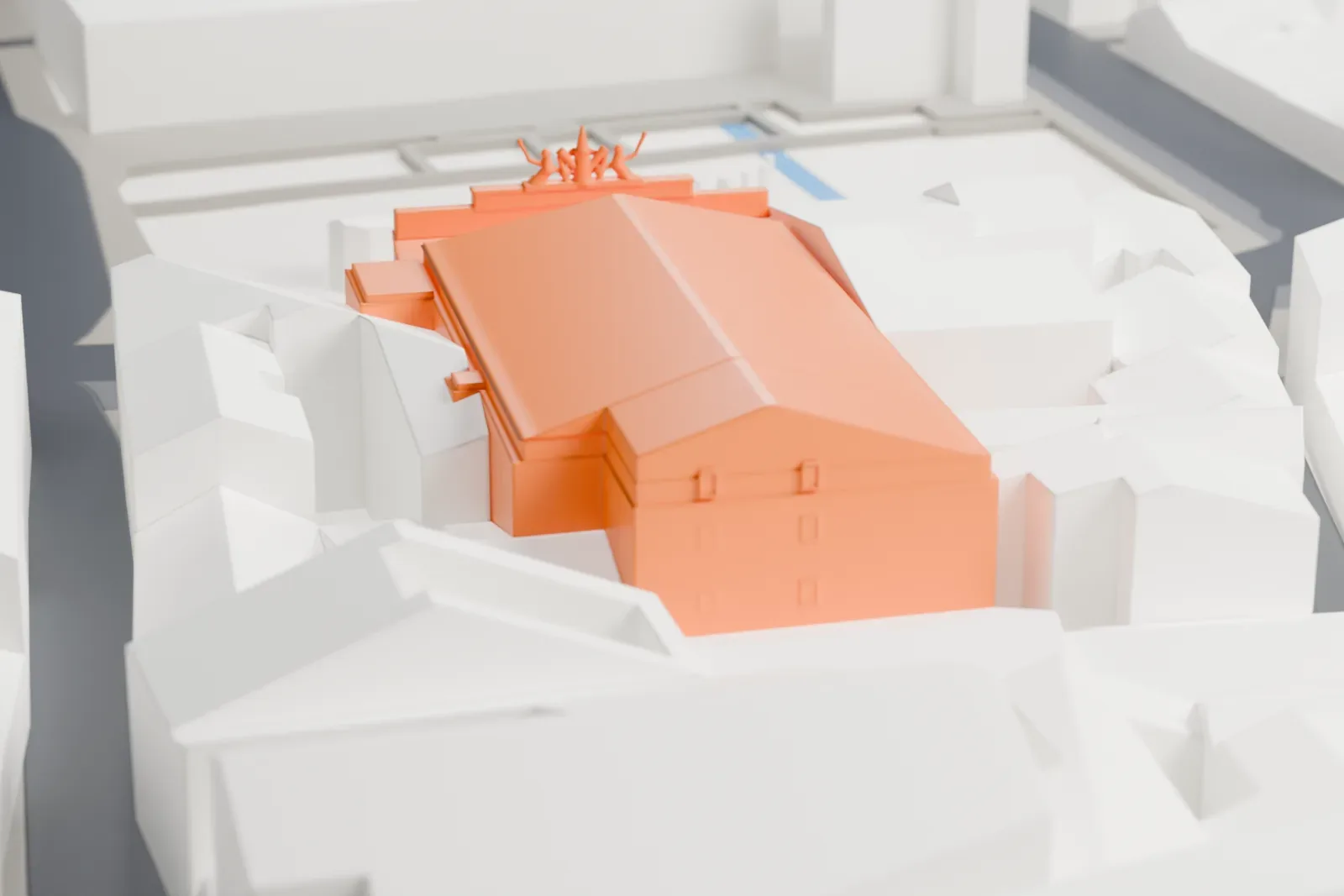
A free, printable model of the Teatro Argentina and the streets around its square in Rome, generated from real map data in your browser.
-
 North
-
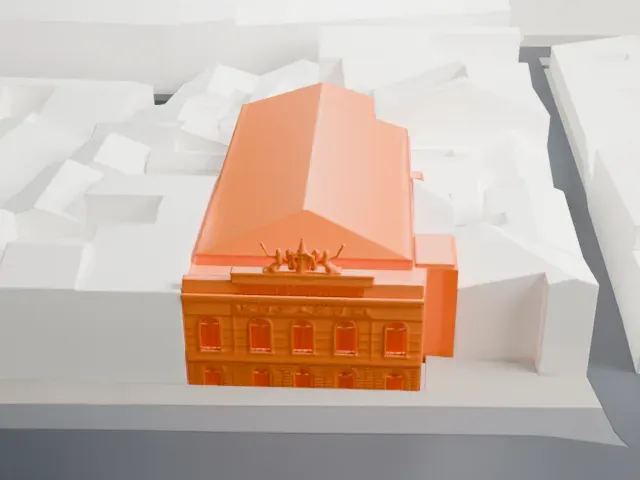 East
-
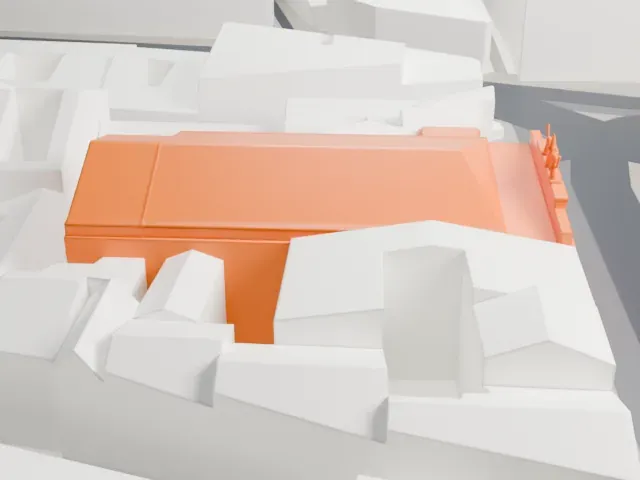 South
-
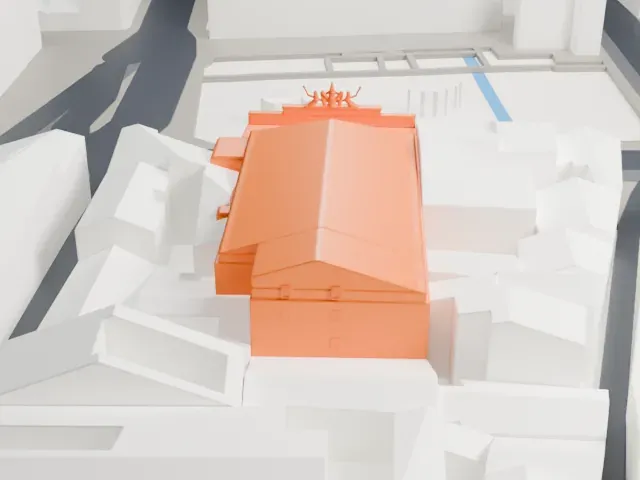 West
- On a 160 mm print
- 6 mm
- Scale
- 1:3,750
6 mm tall on a 160 mm print
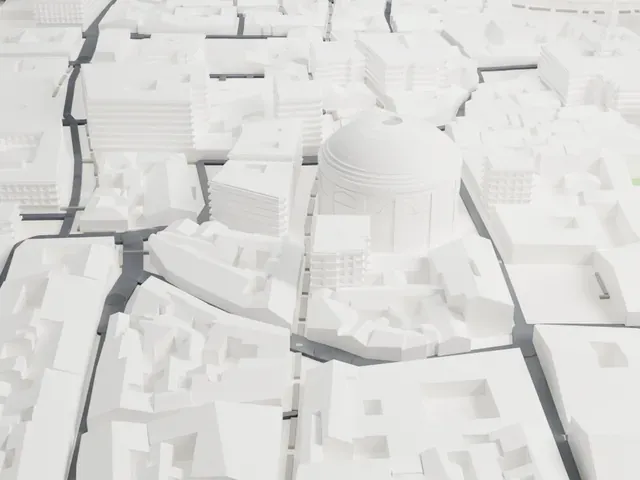
Make this print opens the generator on a 600 m square around the landmark. Buildings print at close to true scale, so the landmark grows with the print size.
- Fine detail on a theater
Small facade and roofline details are the first to soften on a theater model. Use Print friendly detail for a small print, or Full detail with 0.12–0.16 mm layers for a larger one.
- One piece with the ground
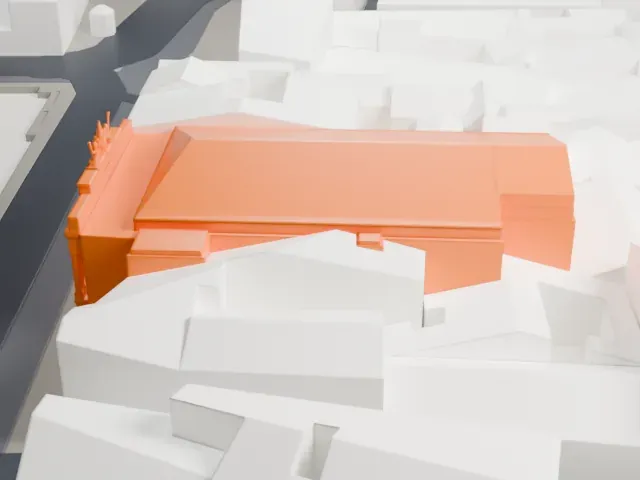
The Teatro Argentina is joined to the ground in the exported file, and the four-side check found no floating parts, so nothing needs gluing.
- Pick the detail for your nozzle
In the Buildings settings, set Landmark detail to Print friendly to adapt thin parts and small details to the print scale. Full detail keeps every modeled feature, for larger prints or a finer nozzle.
- Colors
Buildings, roads, water and ground arrive as separate filament slots in the 3MF. The Teatro Argentina takes the building color.
- File format
You get a 3MF for Bambu Studio, OrcaSlicer or PrusaSlicer. Any of them can save it as STL if you need one.
About the Teatro Argentina
The Teatro Argentina is an opera house and theater at Largo di Torre Argentina in Rome. It went up in 1731 and was inaugurated on January 31, 1732, with a performance of Berenice by Domenico Sarro. The Sforza-Cesarini family commissioned it, and the architect Gerolamo Theodoli gave the auditorium its traditional horseshoe layout. The theater stands over part of the curia of the Theatre of Pompey, the place where Julius Caesar was assassinated.
The theater became a stage for premieres. The Barber of Seville, by Rossini, was first performed there on February 20, 1816, shortly after the death of Duke Francesco Sforza-Cesarini, who had run the theater from 1807 to 1815. Verdi's I due Foscari came on November 3, 1844; La battaglia di Legnano followed on January 27, 1849. Between 1919 and 1944 the program carried more music than drama, and the theater still premiered pieces by Henrik Ibsen, Maxim Gorky and Luigi Pirandello; the Santa Cecilia orchestra made classical recordings in the venue during the 1950s.
Inside, the theater is built of wood and has six levels of boxes, the feature that defines its design; it has gone through repeated restoration. Capacity is 696, with 344 in the stalls and another 352 in 40 boxes over five levels. Its acoustics were highly regarded, and the architect of Venice's La Fenice, Gianantonio Selva, modeled his own design on the Argentina.
About this model
The Teatro Argentina is one of more than 4,400 landmark models in Mini Skyline. They are made with AI, and each one is checked from four sides in its real surroundings before release. Everything around it is built from OpenStreetMap and Overture map data. If you would rather print the shape from map data, turn off Landmark models in the Buildings settings.
Same skyline