3D print the House of Slaves
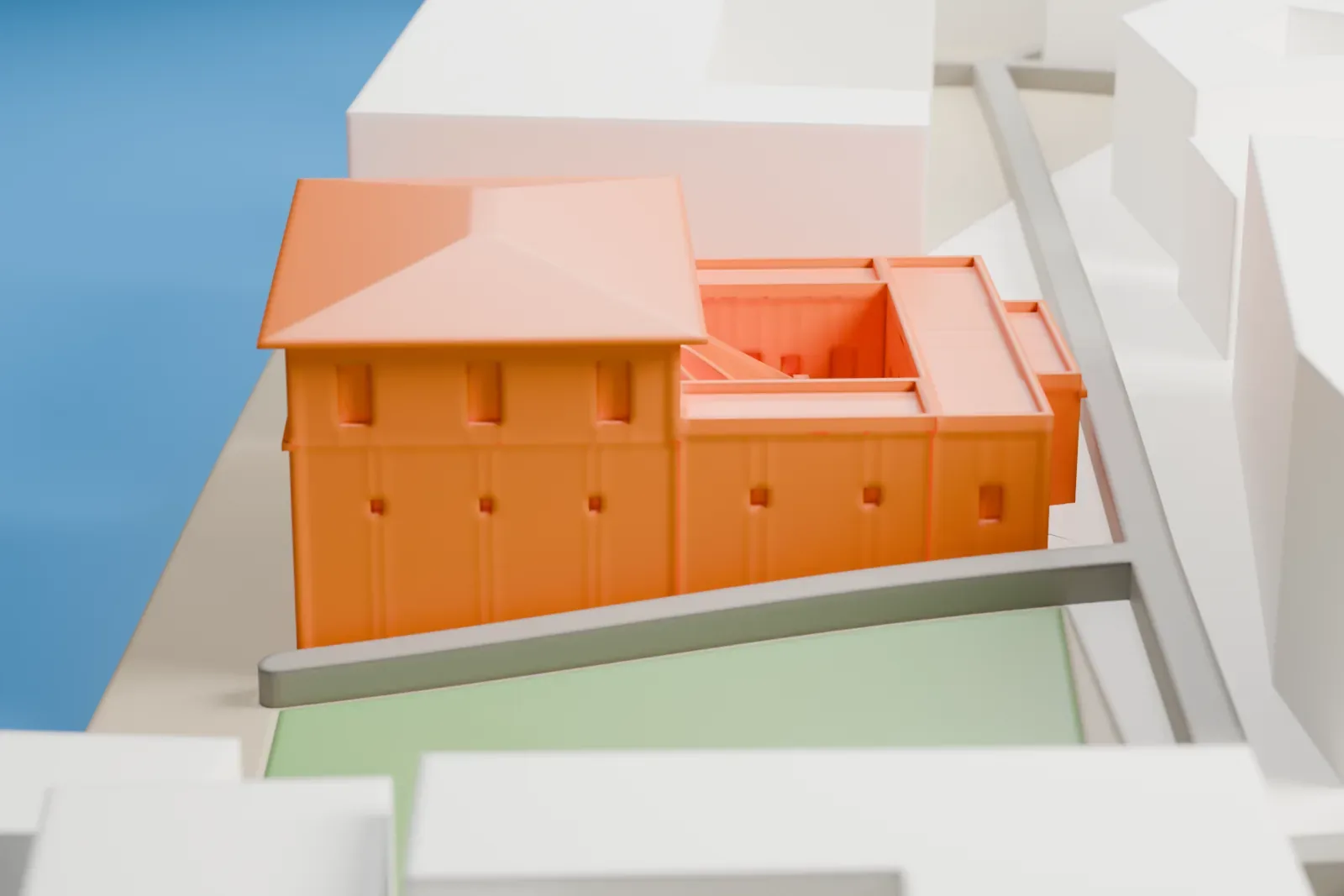
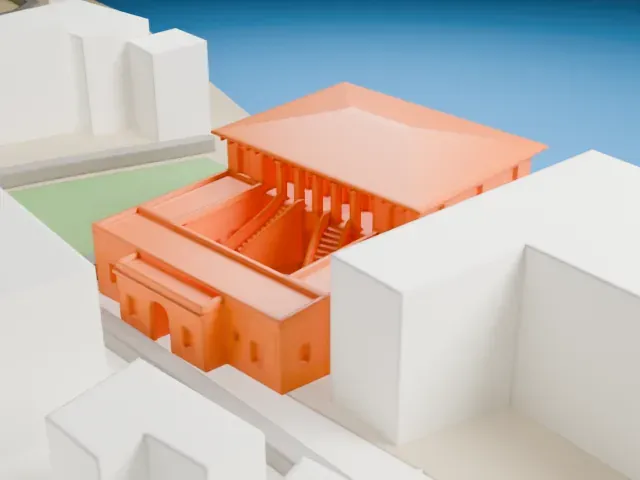
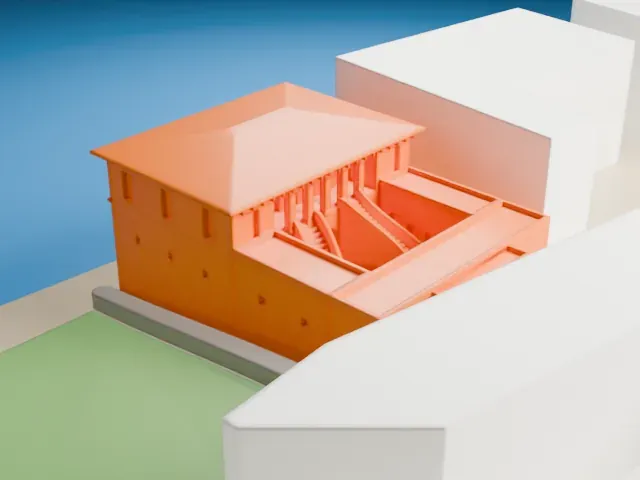
A free, printable model of the House of Slaves on Gorée Island, with its hipped roof and courtyard stairs, the shoreline beside it and the buildings around it, generated from real map data in your browser.
-
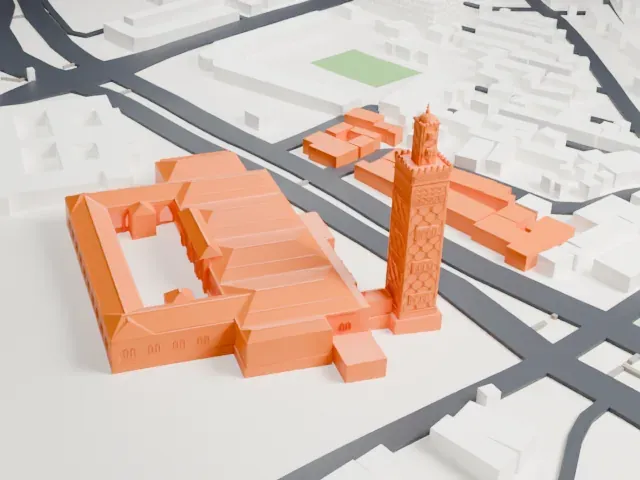
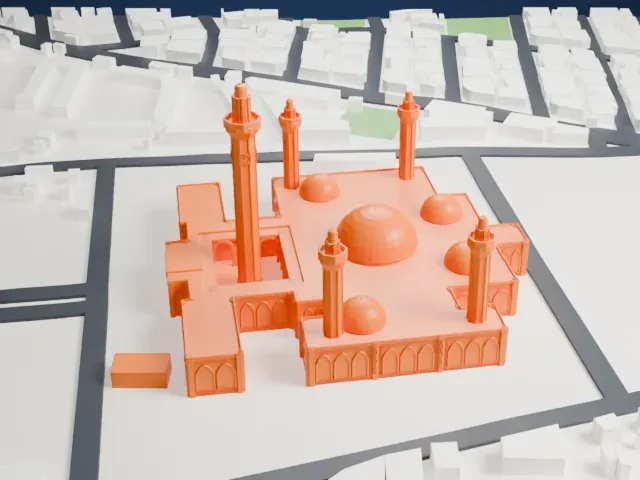
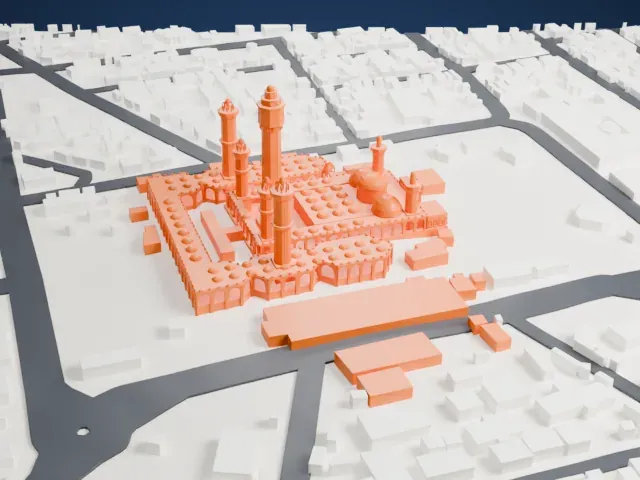
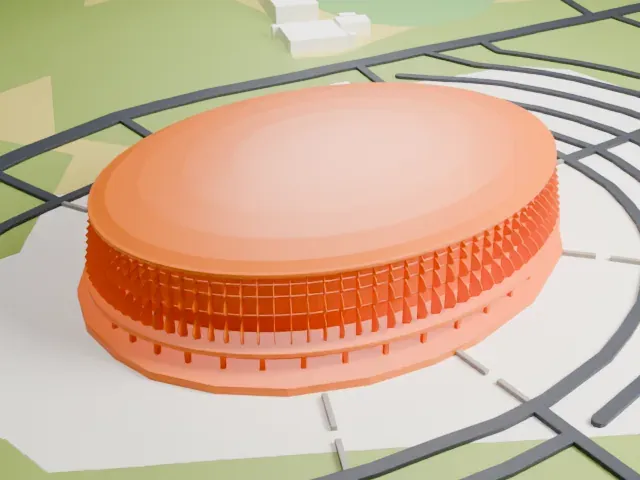
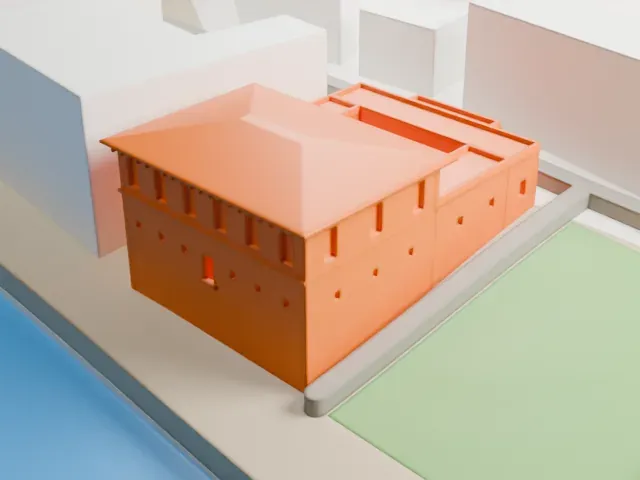 North
-
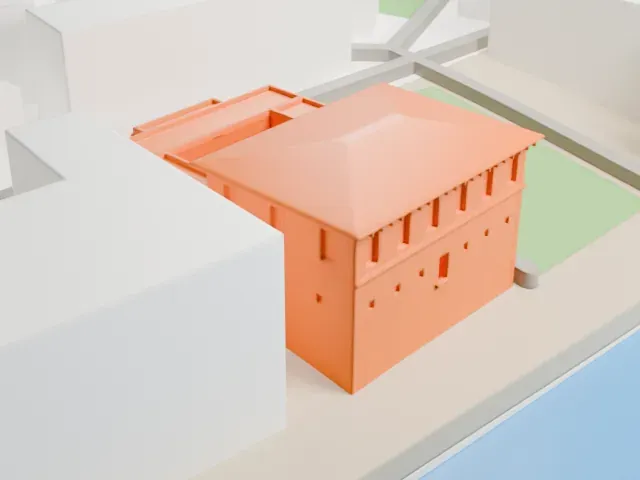 East
-
 South
-
 West
The model you print
House of Slaves in 3D
The landmark on its own, at its size on a 160 mm print. Print friendly thickens thin parts for a 0.4 mm nozzle; Full detail keeps every part.
- On a 160 mm print
- 4 mm
- Scale
- 1:3,750
4 mm tall on a 160 mm print
Make this print opens the generator on a 600 m square around the landmark. Buildings print at close to true scale, so the landmark grows with the print size.
- Courtyard stairs and arches
The open courtyard holds curved stairs and arched openings, the most delicate parts of this small model. Use Full detail on a larger print to keep them, or Print friendly to adapt them to the print scale.
- Small window slots
Narrow window openings run along the walls under the roof. A bigger print and a 0.12 mm layer height keep these small recesses crisp.
- One piece with the ground
The House of Slaves is joined to the ground in the exported file, and the four-side check found no floating parts, so nothing needs gluing.
- Pick the detail for your nozzle
In the Buildings settings, set Landmark detail to Print friendly to adapt thin parts and small details to the print scale. Full detail keeps every modeled feature, for larger prints or a finer nozzle.
- Colors
Buildings, roads, water and ground arrive as separate filament slots in the 3MF. The House of Slaves takes the building color.
- File format
You get a 3MF for Bambu Studio, OrcaSlicer or PrusaSlicer. Any of them can save it as STL if you need one.
About the House of Slaves
The House of Slaves, called the Maison des Esclaves in French, serves as a museum and as a memorial for those who suffered in the Atlantic slave trade. It stands on Gorée Island, 3 km from the coast near Dakar, Senegal, and is linked with its Door of No Return. Nicolas Pépin, whose sister Anne was an influential signare, had the building put up around 1776.
Signares were wealthy colonial women traders in Senegal. Nicolas's daughter Anna Colas Pépin, also a signare, is the person most linked to the house, and she lived in it in the early 19th century. Several ships belonged to the Pépin family, which took part in the slave trade, and the house served as a holding center for exporting enslaved Africans.
The house was rebuilt and opened as a museum in 1962, mostly thanks to Boubacar Joseph Ndiaye, who later became its curator. Historians differ on how many enslaved people were actually held in the building and on how important Gorée Island was within the Atlantic slave trade. People come from Africa, Europe and the Americas to reflect on the human cost of African slavery. In 1978 UNESCO named Gorée Island a World Heritage site, and the house is central to it.
About this model
The House of Slaves is one of more than 6,500 landmark models in Mini Skyline. They are made with AI, and each one is checked in its real surroundings before release. Each model is written as code from public descriptions, plans, photographs and aerial views used only as references; no image or third-party model is copied into it. Everything around it is built from OpenStreetMap and Overture map data. Rights in the building itself, its name and any brands on it are not granted by Mini Skyline; clear them separately before you sell prints. If you would rather print the shape from map data, turn off Landmark models in the Buildings settings.
Mini Skyline is not affiliated with, or endorsed by, the owners of this building or its names and marks.
Keep exploring