3D print the Ukrainian Museum
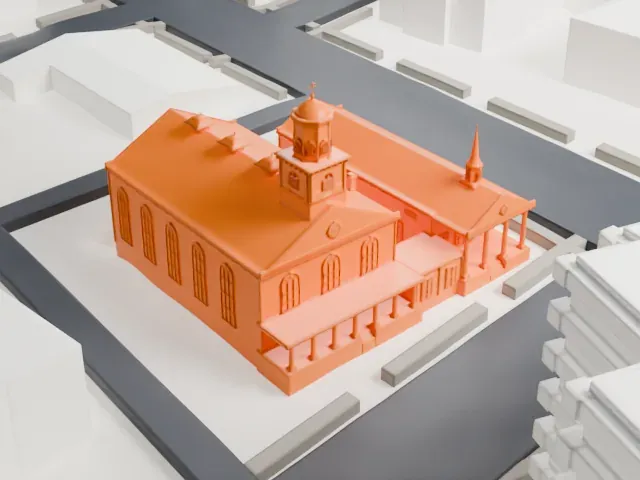
A free, printable model of the Ukrainian Museum and the closely packed buildings around it, generated from real map data in your browser.
-
 North
-
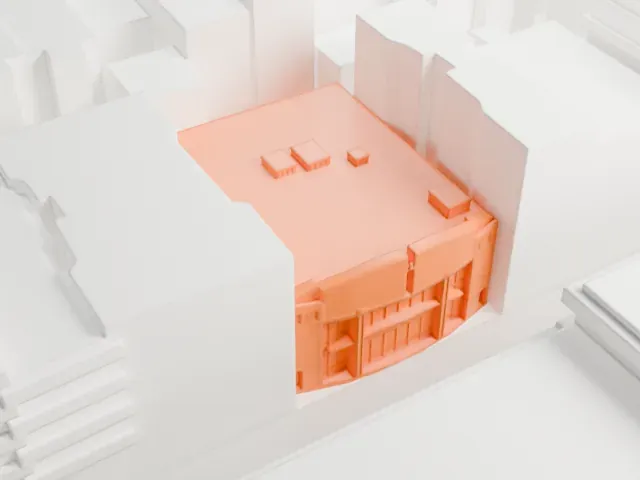 East
-
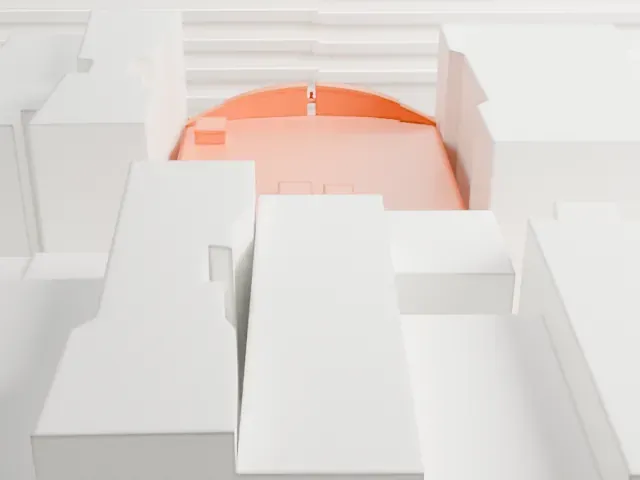 South
-
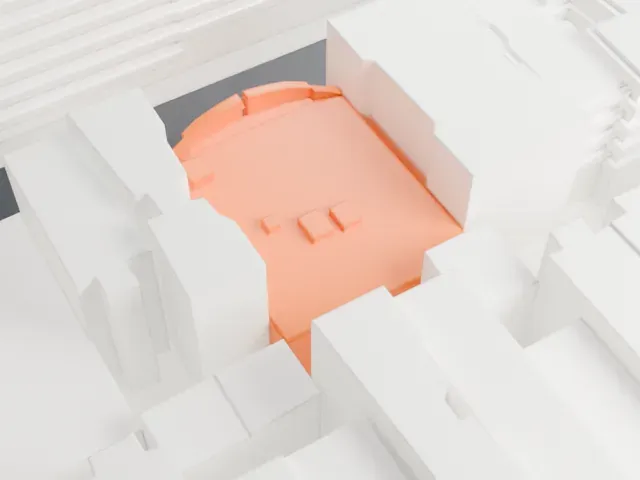 West
The model you print
Ukrainian Museum in 3D
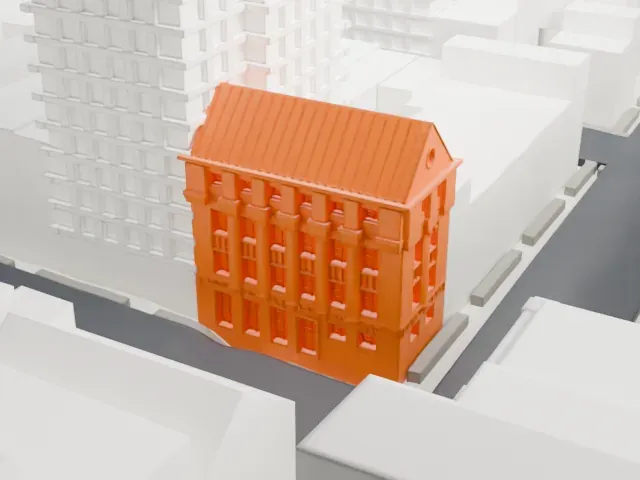
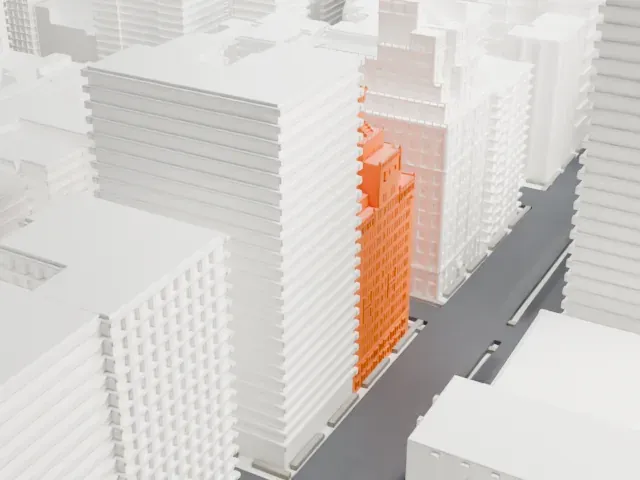
The landmark on its own, at its size on a 160 mm print. Print friendly thickens thin parts for a 0.4 mm nozzle; Full detail keeps every part.
- On a 160 mm print
- 11 mm
- Scale
- 1:3,750
11 mm tall on a 160 mm print
Make this print opens the generator on a 600 m square around the landmark. Buildings print at close to true scale, so the landmark grows with the print size.
- Small building, bigger print
This is a low building tucked into a dense block, so its small details are tiny. A larger print size keeps them; Print friendly adapts them on a small print.
- One piece with the ground
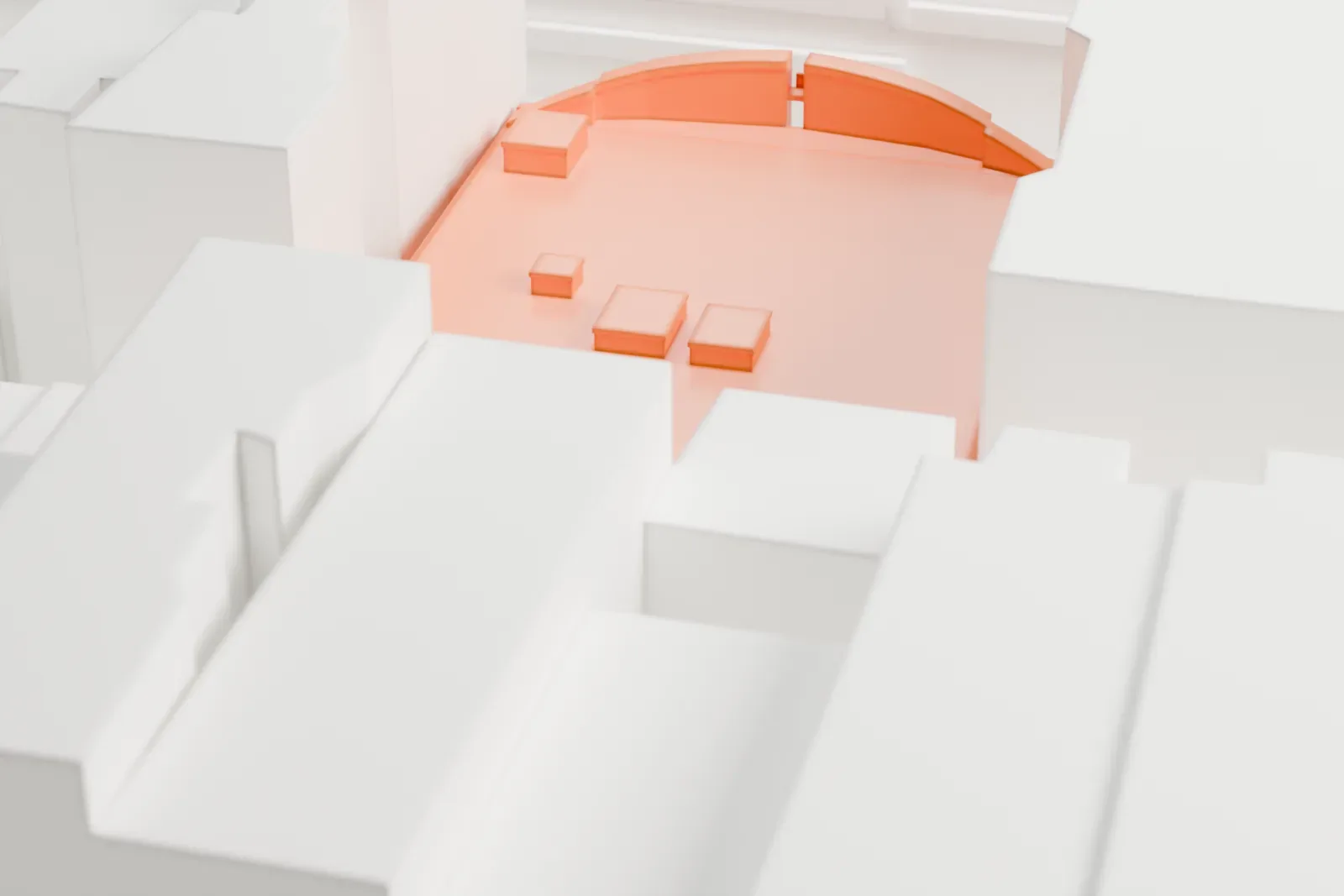
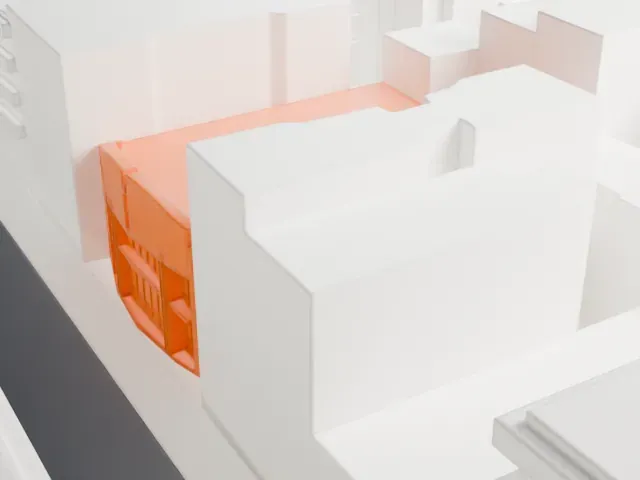
The Ukrainian Museum is joined to the ground in the exported file, and the four-side check found no floating parts, so nothing needs gluing.
- Pick the detail for your nozzle
In the Buildings settings, set Landmark detail to Print friendly to adapt thin parts and small details to the print scale. Full detail keeps every modeled feature, for larger prints or a finer nozzle.
- Colors
Buildings, roads, water and ground arrive as separate filament slots in the 3MF. The Ukrainian Museum takes the building color.
- File format
You get a 3MF for Bambu Studio, OrcaSlicer or PrusaSlicer. Any of them can save it as STL if you need one.
About the Ukrainian Museum
A women's organization, the Ukrainian National Women's League, started the Ukrainian Museum in New York City in 1976. No museum of its kind outside Ukraine is larger, and its purpose is the enjoyment, understanding and preservation of Ukraine's artistic and cultural heritage. Its address is 222 East 6th Street, in the part of Manhattan called the East Village, where the block runs between Second Avenue and Cooper Square.
George Sawicki, a Ukrainian-American architect with the New York firm Sawicki Tarella Architecture + Design, designed the building, which the Ukrainian-American community paid for. The collection falls into three groupings: folk art, such as festive and ritual attire, ceramics, metalwork, carved wood and Ukrainian Easter eggs (pysanky); fine arts by noted Ukrainian artists; and items on the history of immigration from Ukraine to the United States.
In 2015 it staged its first big show on how Ukrainian identity relates to women artists, titled The Ukrainian Diaspora: Women Artists, with more than 100 works by 43 artists. In spring 2024 it exhibited 100 works by Maria Prymachenko, the largest exhibit of her work outside of Europe.
About this model
The Ukrainian Museum is one of more than 6,500 landmark models in Mini Skyline. They are made with AI, and each one is checked in its real surroundings before release. Each model is written as code from public descriptions, plans, photographs and aerial views used only as references; no image or third-party model is copied into it. Everything around it is built from OpenStreetMap and Overture map data. Rights in the building itself, its name and any brands on it are not granted by Mini Skyline; clear them separately before you sell prints. If you would rather print the shape from map data, turn off Landmark models in the Buildings settings.
Outside the United States this design may still be protected; check the rules where you sell.
Mini Skyline is not affiliated with, or endorsed by, the owners of this building or its names and marks.
Same skyline