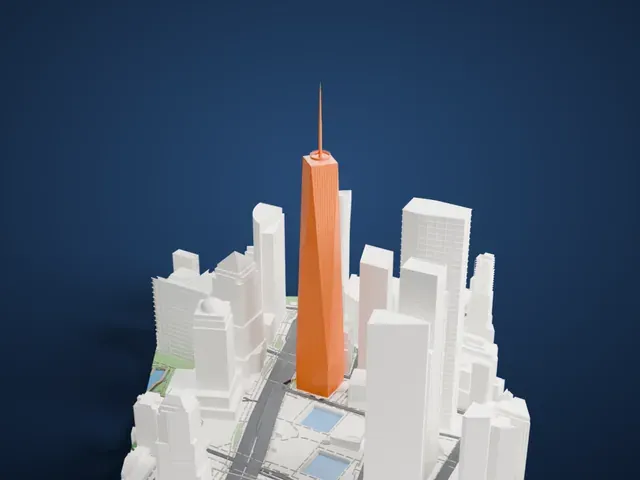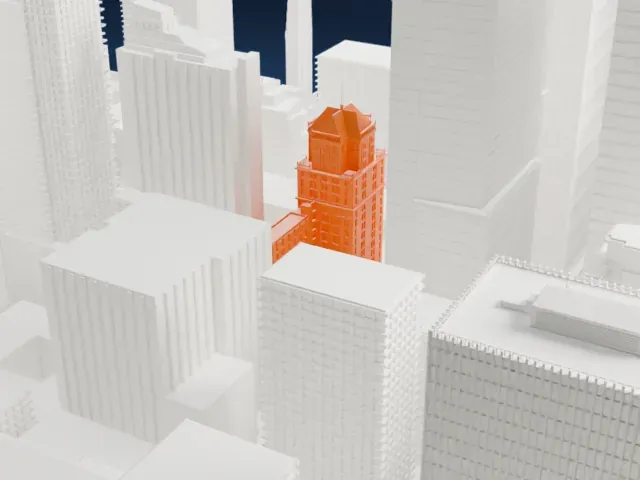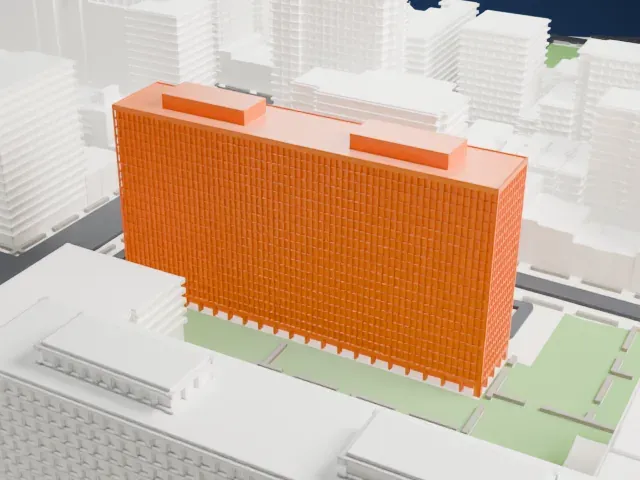
Rubin Museum of Himalayan Art in 3D
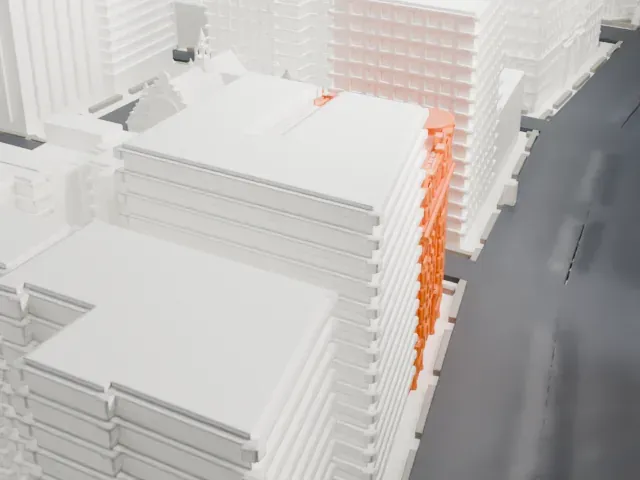
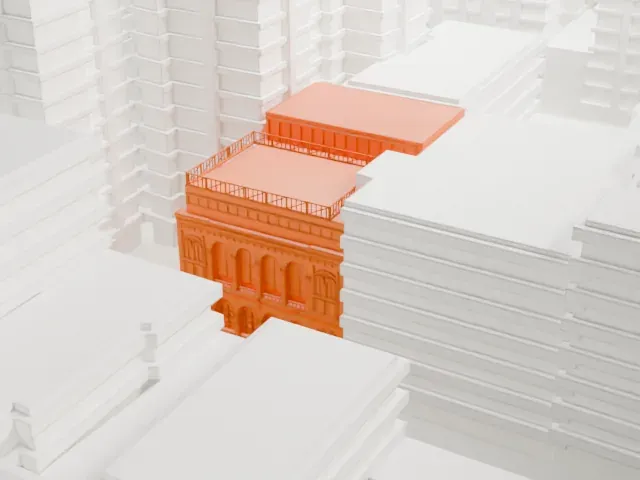
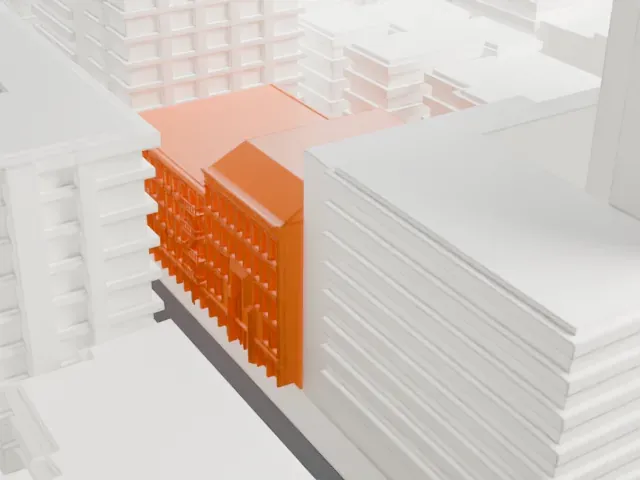
The Rubin Museum of Himalayan Art appears in city models you make here; its design may still be protected, so it isn't offered as a separate download.
-
 North
-
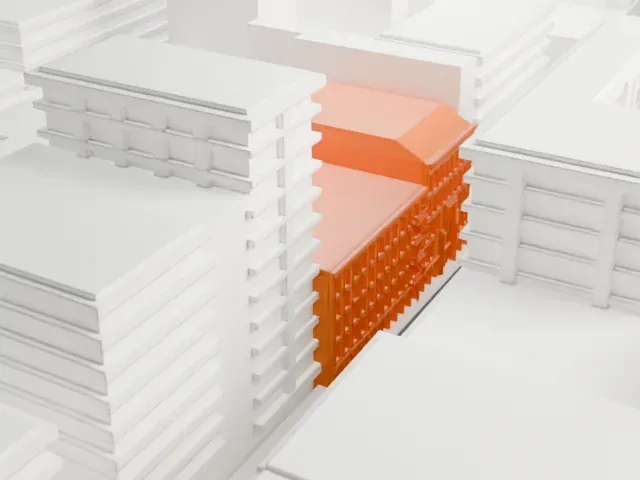 East
-
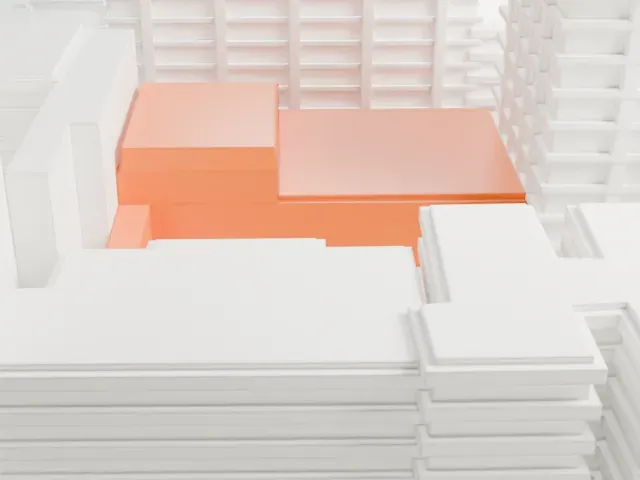 South
-
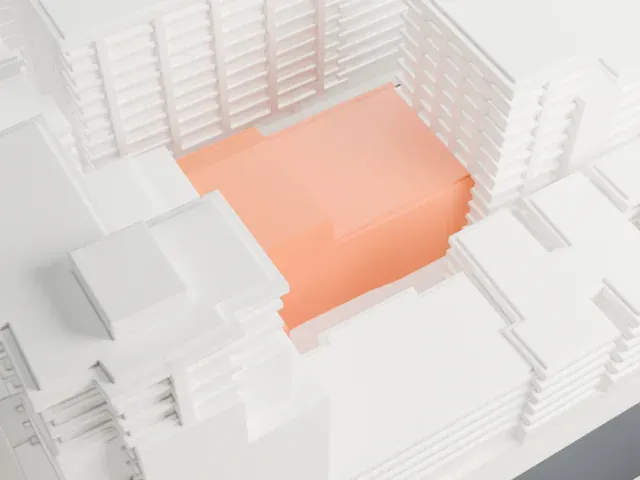 West
Copyright notice
The design of Rubin Museum of Himalayan Art may still be protected by copyright. It appears in the city models you make here, but it is not offered as a separate model.
- On a 160 mm print
- 17 mm
- Scale
- 1:3,750
17 mm tall on a 160 mm print
Make this print opens the generator on a 600 m square around the landmark. Buildings print at close to true scale, so the landmark grows with the print size.
- A plain block among neighbors
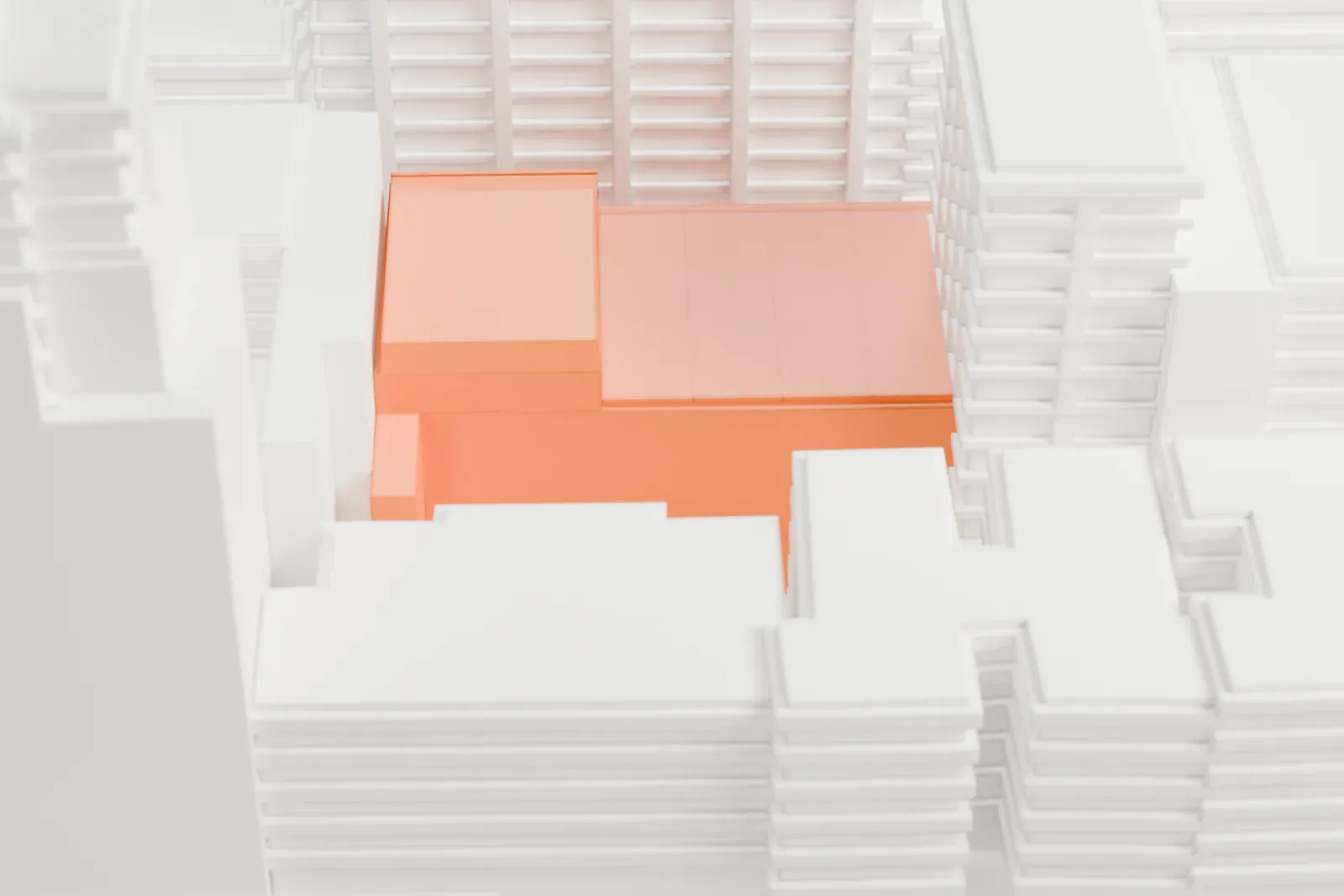
In the model the museum is a plain rectangular block packed among many neighboring buildings, so little detail stands out. A larger print size keeps more of what is there.
- One piece with the ground
The Rubin Museum of Himalayan Art is joined to the ground in the exported file, and the four-side check found no floating parts, so nothing needs gluing.
- Pick the detail for your nozzle
In the Buildings settings, set Landmark detail to Print friendly to adapt thin parts and small details to the print scale. Full detail keeps every modeled feature, for larger prints or a finer nozzle.
- Colors
Buildings, roads, water and ground arrive as separate filament slots in the 3MF. The Rubin Museum of Himalayan Art takes the building color.
- File format
You get a 3MF for Bambu Studio, OrcaSlicer or PrusaSlicer. Any of them can save it as STL if you need one.
About the Rubin Museum of Himalayan Art
Known as the Rubin Museum for short, the Rubin Museum of Himalayan Art collects, shows and preserves art and cultures from Central Asia, the Himalayas and the Indian subcontinent, among other regions of Eurasia; its permanent collection centers on Tibetan art. Its doors opened on October 2, 2004, in Chelsea, Manhattan, at 150 West 17th Street, between Sixth Avenue (the Avenue of the Americas) and Seventh Avenue.
The museum originated with a private collection of Himalayan art that Donald and Shelley Rubin had built up since 1974. The Rubins paid $22 million in 1998 for the former Barneys New York building, which preservation architects Beyer Blinder Belle remodeled as a museum. The six-story spiral staircase from the original building was kept at the center of the 2,300 square meters (25,000 square feet) of exhibition space.
The museum displayed over 1,000 objects: paintings, sculpture and textiles, along with ritual objects ranging in age from the 2nd century through the 20th century. Tibetan art inspired the new 17th Street facade and the five floors of galleries, which were conceived by Celia Imrey and Tim Culbert, architects of museums. The museum closed its building in Manhattan on October 6, 2024, after announcing a plan to be a worldwide "museum without walls", built on digital resources, partnerships, long-term loans and traveling exhibitions.
About this model
The Rubin Museum of Himalayan Art is one of more than 6,500 landmark models in Mini Skyline. They are made with AI, and each one is checked in its real surroundings before release. Each model is written as code from public descriptions, plans, photographs and aerial views used only as references; no image or third-party model is copied into it. Everything around it is built from OpenStreetMap and Overture map data. Rights in the building itself, its name and any brands on it are not granted by Mini Skyline; clear them separately before you sell prints. If you would rather print the shape from map data, turn off Landmark models in the Buildings settings.
Mini Skyline is not affiliated with, or endorsed by, the owners of this building or its names and marks.
Same skyline