3D print Melbourne landmarks
Free printable models of Melbourne landmarks, made from real map data in your browser, in a city with well-preserved Victorian-era buildings in its inner suburbs.
11 landmark models · 11 with a print guide · Australia
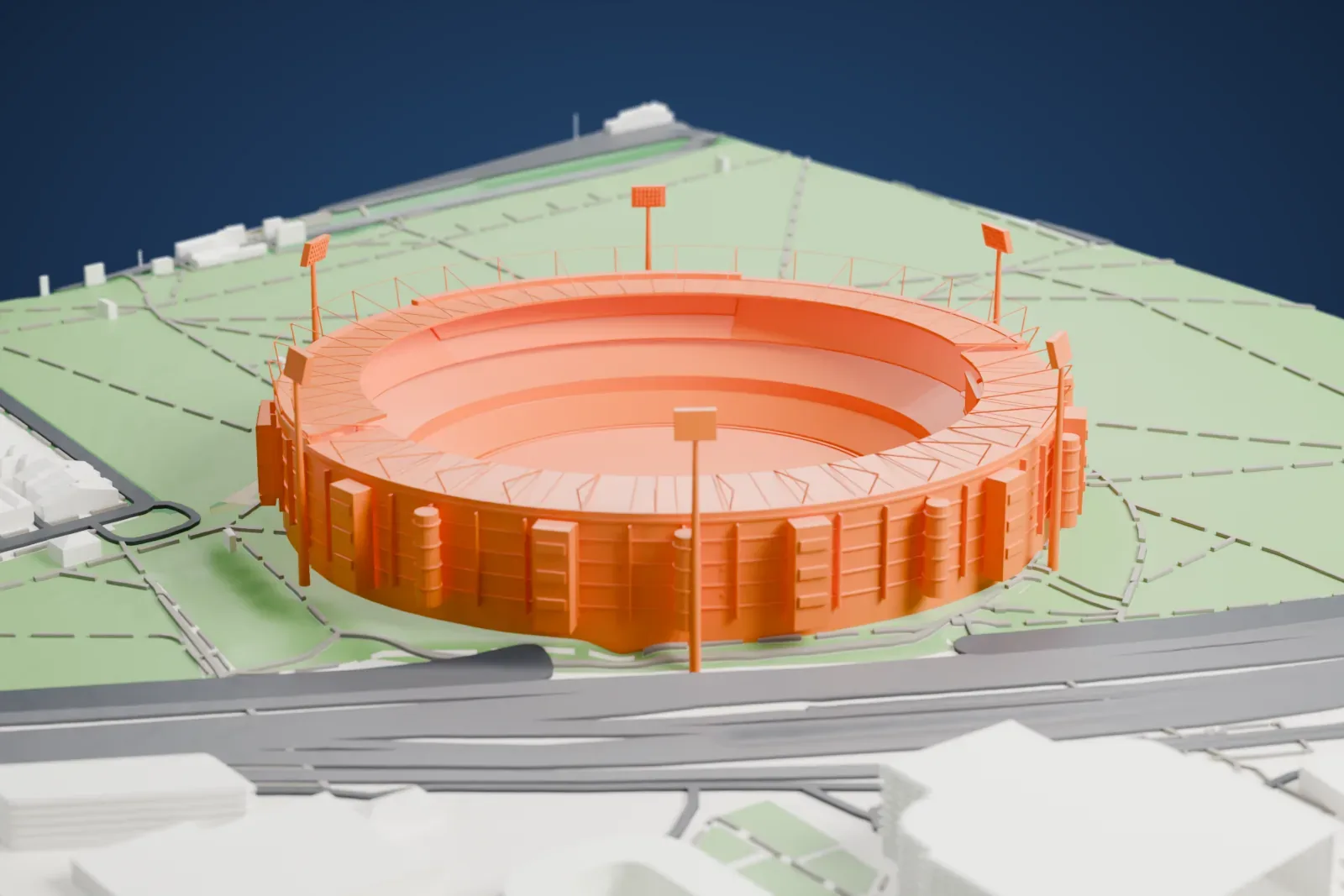
Landmarks with a print guide
-
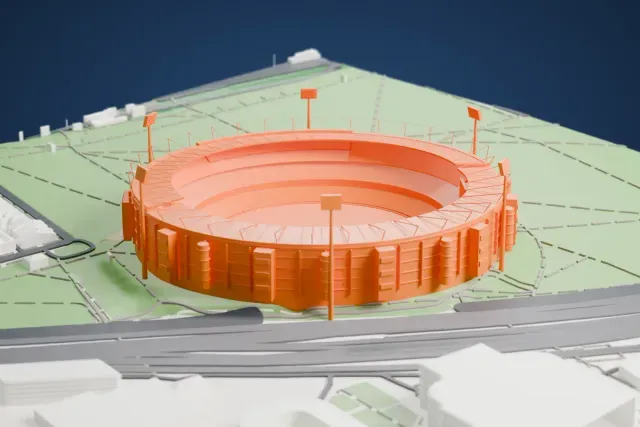
Melbourne Cricket Ground
Yarra Park, East Melbourne, Victoria, Australia
21 mm tall on a 160 mm print
-
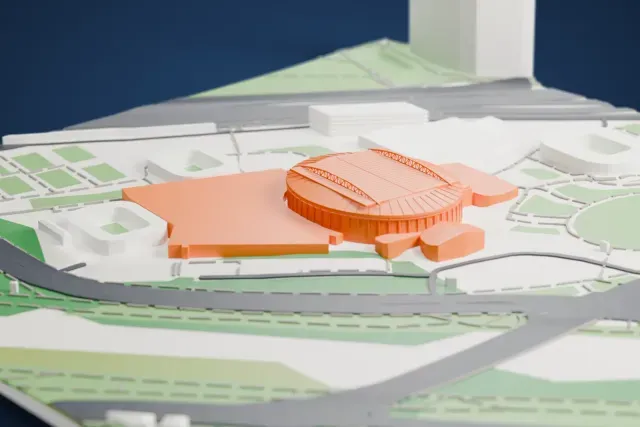
Rod Laver Arena
Melbourne Park, Melbourne, Australia
9 mm tall on a 160 mm print
-
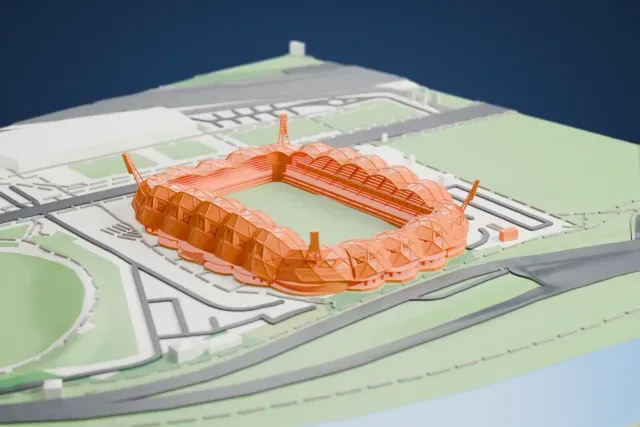
Melbourne Rectangular Stadium
Melbourne Sports and Entertainment Precinct, Melbourne, Australia
11 mm tall on a 160 mm print
-
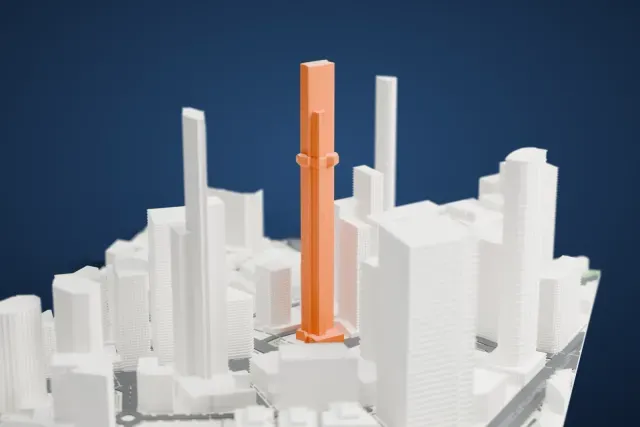
Australia 108
Southbank, Melbourne, Victoria, Australia
85 mm tall on a 160 mm print
-
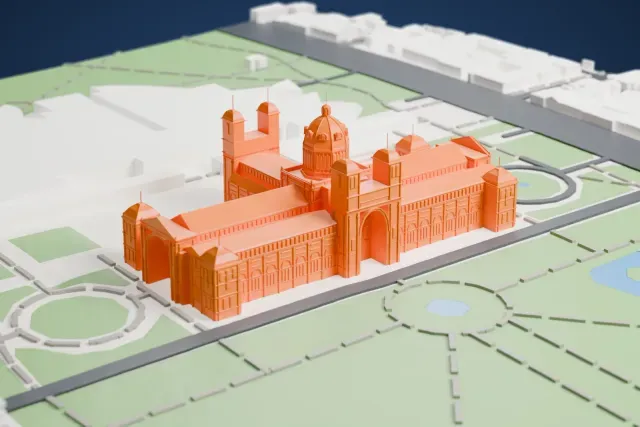
Royal Exhibition Building
9 Nicholson Street, Carlton Gardens, Melbourne, Australia
19 mm tall on a 160 mm print
-
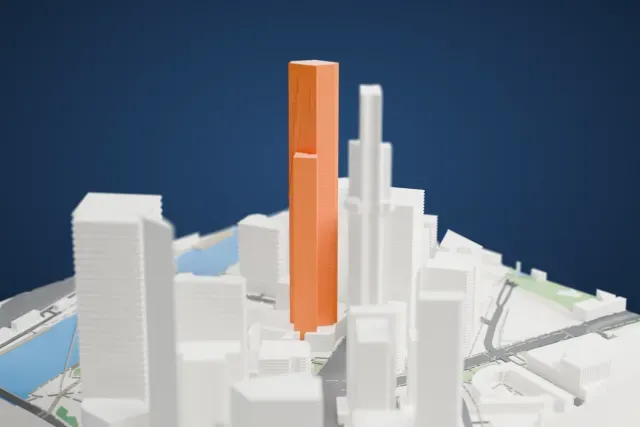
Eureka Tower
Southbank, Melbourne, Australia
80 mm tall on a 160 mm print
-
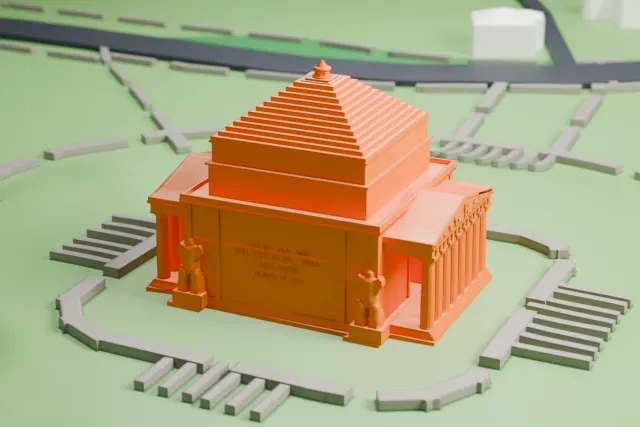
Shrine of Remembrance
Kings Domain, St Kilda Road, Melbourne, Australia
8 mm tall on a 160 mm print
-
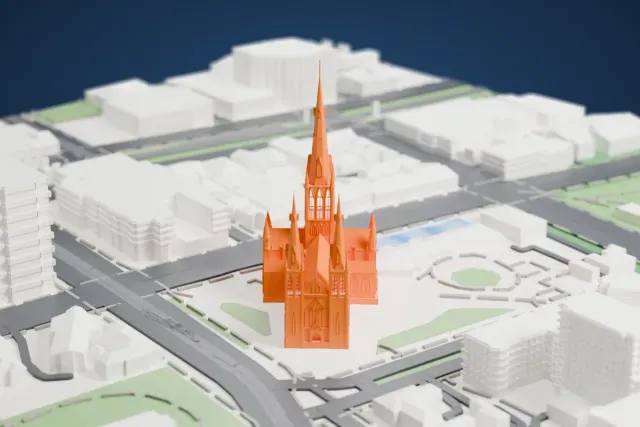
St Patrick's Cathedral, Melbourne
Eastern Hill, Melbourne, Victoria, Australia
29 mm tall on a 160 mm print
-
State Library Victoria
Swanston Street, Melbourne, Australia
12 mm tall on a 160 mm print
-
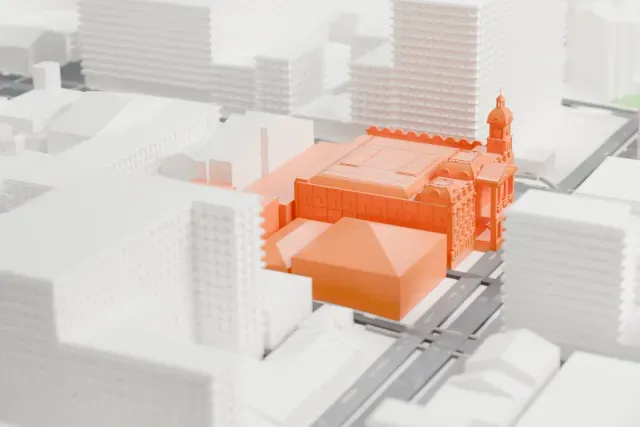
Melbourne Town Hall
Northeast corner of Swanston and Collins Streets, Melbourne, Victoria, Australia
13 mm tall on a 160 mm print
-
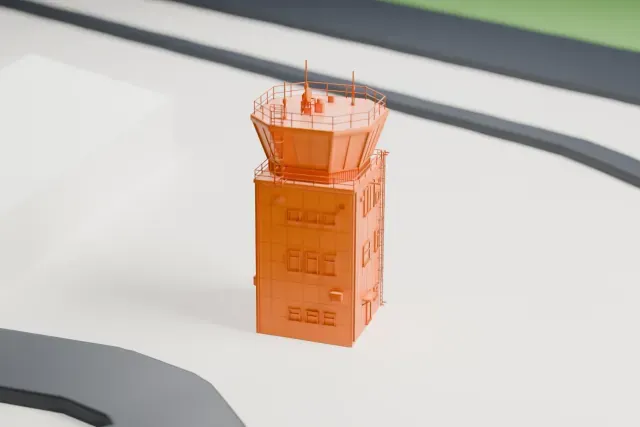
Essendon Airport Control Tower
Essendon Airport, Wirraway Road, Strathmore, Victoria, Australia
6 mm tall on a 160 mm print
About Melbourne
Melbourne is the capital of Victoria, an Australian state, and Australia's second most populous city, with 5.435 million people in June 2025, about 19% of the national population. It spreads along much of the northern and eastern shores of Port Phillip Bay. Free settlers who came from Van Diemen's Land founded it in 1835. In 1837 it became a Crown settlement, named after William Lamb, 2nd Viscount Melbourne. Queen Victoria declared it a city in 1847, and in 1851 it became capital of the Colony of Victoria. After federation in 1901 it was the interim seat of national government until 1927.
The 1850s gold rush and the 1880s land boom gave Melbourne a reputation as one of the great Victorian-era cities of the world. Examples of its Victorian heritage are the Hotel Windsor (1884), the Block Arcade (1891), the General Post Office (1867) and the Royal Exhibition Building (1880), and well-preserved buildings of that era cluster in Carlton, East Melbourne and South Melbourne, among other inner suburbs. Comparatively little survives from before the gold rush, and many boom-time landmarks in the central business district were demolished after World War II. Later styles include the Chicago School Nicholas Building (1926) and the Art Deco Manchester Unity Building (1932).
About these models
The 11 models on this page are among more than 2,300 landmark models in Mini Skyline. They are made with AI, and each one is checked from four sides in its real surroundings before release. Everything around them is built from OpenStreetMap and Overture map data. If you would rather print the shapes from map data, turn off Landmark models in the Buildings settings.
Want the whole skyline? Make a city print
Common questions
Are these Melbourne landmark models free?
Yes. All 11 models on this page are free. Generation runs in your browser, with no account and nothing behind a paywall.
Can I download Melbourne landmark STL files?
Mini Skyline builds each file for you in your browser and exports 3MF, which every major slicer opens. If you need an STL, open the 3MF in your slicer and export it from there.
How tall do the Melbourne landmarks print?
On the default 160 mm print they stand between about 6 and 85 mm tall. Each landmark grows with the print size, and Make this print opens the generator with its area already selected. For a model larger than your printer bed, Project Mode splits the area into tiles.